
What the Earth's Surface Is Made Of
The surface of the Earth is built from stone, soil, sand, rock, metal and water. Seen from far away it all looks like one solid ground. But pick up a stone from the side of the road and look at it closely. Inside it you can pick out small grains that are shiny, dull, red, black and white. Each grain is a piece of some element or compound, and it is those pieces packed together that make the stone.
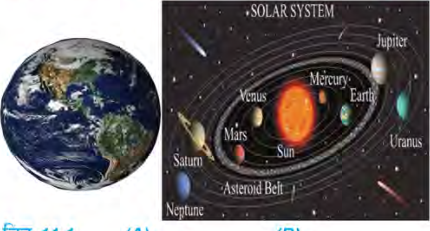
The outermost shell of the Earth is called the crust. It is made of soil, sand, stone and rock, and every one of those is built from solid pieces of some element or compound. Those solid pieces are what we call minerals. So the crust is a store of minerals.
What a Mineral Is
No two stones are quite alike. One is green, one is red, one is shiny and one is dull. One crumbles when you scratch it with a fingernail and another will not break even under a hammer. The difference comes from the minerals inside them. A stone is not one single substance; it is a mixture of several minerals.
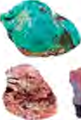
A mineral is a pure, solid substance that occurs naturally. Minerals occur either as elements or as compounds, and it is their combination that forms the stone, soil and rock of the Earth's crust.
That is the definition used in the study of the Earth. In everyday use the word mineral is taken a little more widely.
Mineral, in the general sense: any substance that is taken out of a mine and has economic value.
By this definition coal, petroleum, limestone, marble, diamond and every kind of gemstone, granite, quartzite, slate, red clay and white clay are all minerals. Each of them is dug out of the ground and each of them is put to use in industry or in daily life.
Mineralogy is the branch of Geology that studies minerals.
The Three Types of Minerals
On the basis of what they are made of and how they behave, minerals are sorted into three groups.
- (a) Metallic minerals
- (b) Non-metallic minerals
- (c) Energy minerals
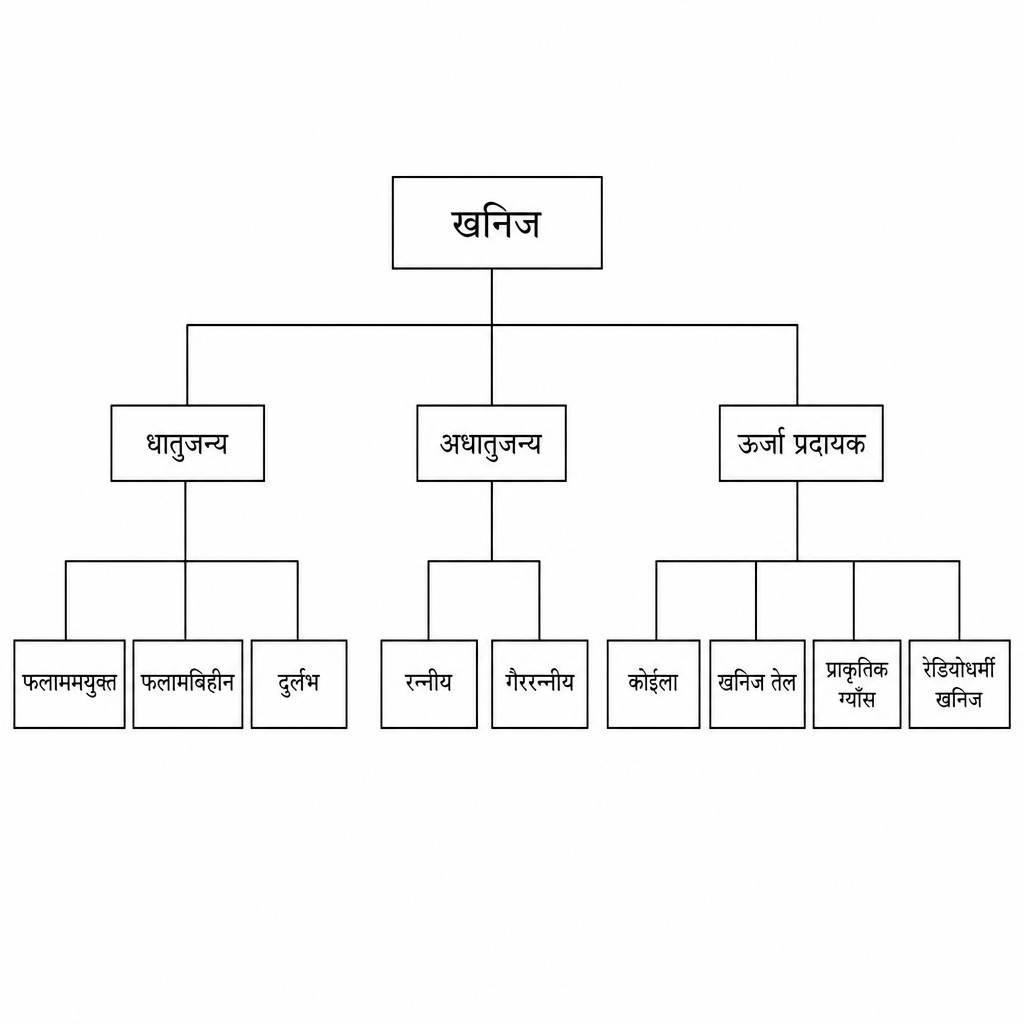
Metallic minerals: hard, shiny minerals from which metal is taken out, such as iron ore.
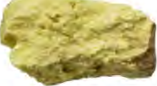
Non-metallic minerals: lighter minerals that behave like non-metals, such as gypsum and sulphur.
Energy minerals: fuels dug from mines and used for energy, such as coal.
Metallic Minerals
A metallic mineral, also called an ore, is a mineral that is generally hard, has lustre, carries heat and electricity, and has a comparatively higher density.
These ores show, to some degree, the same properties as the metal itself. The ores of iron, tin, nickel, copper, gold, silver, zinc and cobalt are examples. An ore is dug out of a mine, and only after it is heated and cleaned does the pure metal come out of it.
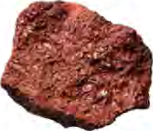
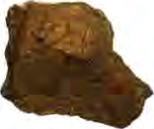
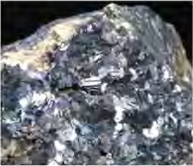
These ores are themselves divided into three kinds: ferrous minerals, non-ferrous minerals and precious minerals.
| Sub-group | What it is like | Examples |
| Ferrous minerals | Contain a large amount of iron, and iron can be obtained from them | hematite, magnetite, siderite, pyrite, limonite |
| Non-ferrous minerals | Contain no iron at all, or only a very small amount | ores of copper, tin, lead and aluminium |
| Precious minerals | Found in small amounts in nature, less reactive chemically, but of great economic value | ores of gold, silver, platinum and palladium |
A metal and an ore are not the same thing. An ore is the mineral dug out of the mine, with the metal locked inside it. The metal comes out only after the ore is purified. Writing iron where the answer needs iron ore changes the meaning.
Non-metallic Minerals
Non-metallic minerals show the properties of non-metals, though a few of them do carry small parts of a light metal or a metalloid. They are poor conductors of heat and electricity. Because they are light, they are found in the crust of the Earth. In a few places they occur in a fairly pure form, but mostly they are found as part of a rock.
They fall into two groups: gems and non-gems. Diamond, emerald, sapphire, topaz and garnet are gems.
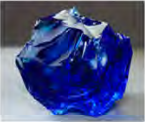
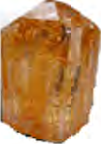
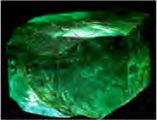
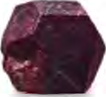
Silica, feldspar, mica, sulphur, graphite, gypsum and chalk are examples of non-gem minerals. These are not set into jewellery, but they are used in large amounts in industry and in building.
| Feature | Metallic minerals | Non-metallic minerals |
| Lustre | They have lustre | Usually without the shine of a metal |
| Heat and electricity | Good conductors | Poor conductors |
| Density | Comparatively higher | Light |
| Where found | In mines, as ore | In the crust, mostly as part of a rock |
| Sub-groups | Ferrous, non-ferrous, precious | Gems and non-gems |
Energy Minerals
Energy minerals are the fuels obtained from mines and used for energy in industry and in daily life.
These minerals are found under the ground and are used as sources of energy. Mineral oil, natural gas, coal and radioactive elements such as uranium are examples. The oil that runs a vehicle, the gas that lights a stove and the coal that keeps a large factory going all come from under the ground.
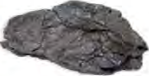
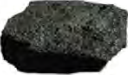
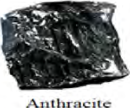
Coal is not all of one kind. It comes in different grades, which in order are peat, lignite, bituminous and anthracite. As the grade rises the coal becomes blacker, harder and shinier.

The Properties of Minerals
Even when you do not know its name, a mineral can be recognised by a few properties. They are given below.
- (a) Minerals come in many colours. Iron minerals are red and black, while copper and gold are minerals of a light red and yellow colour. Some minerals have no colour at all, such as muscovite.
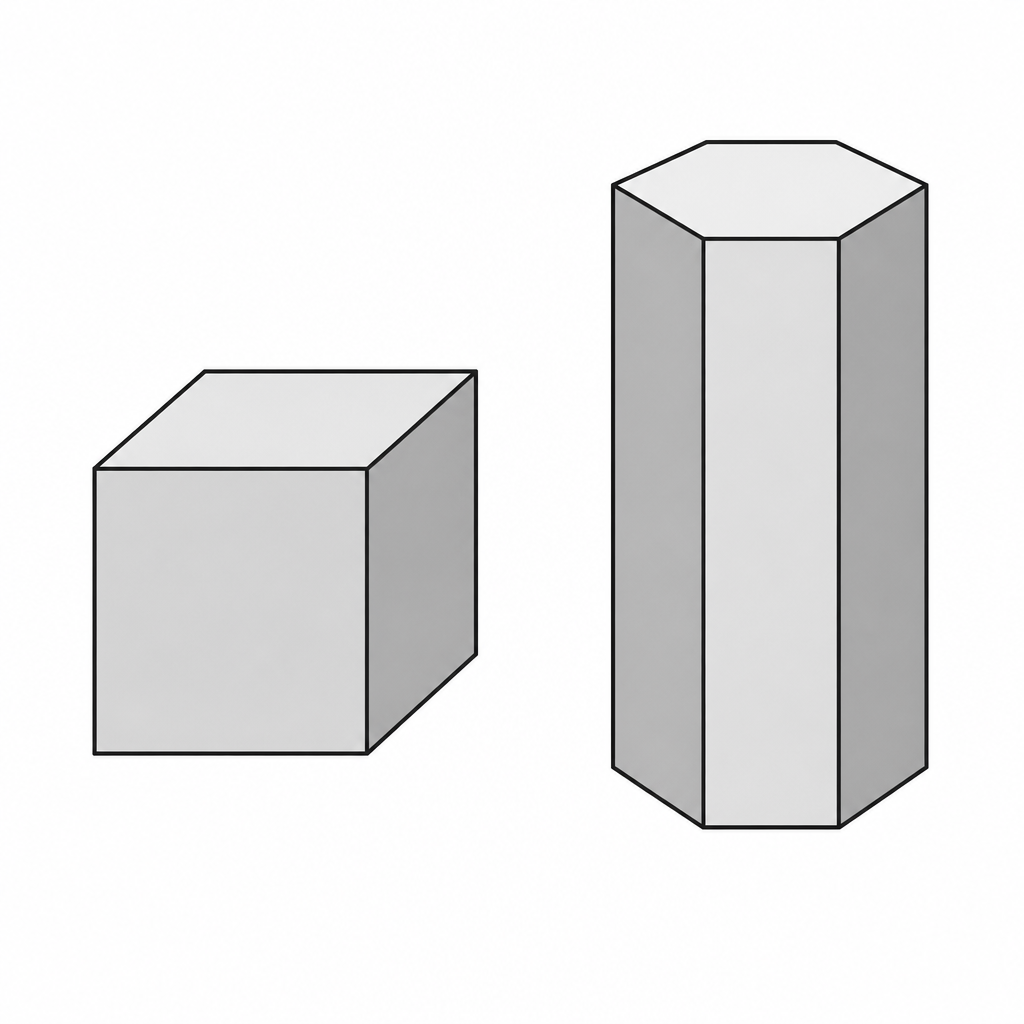
- (b) A mineral has a definite geometrical shape. Minerals are either crystalline or amorphous. Many of them are cubical or prism shaped; pyrite is a cubical mineral and tourmaline is a prism shaped one.
- (c) Minerals are usually hard, with lustre, and bright to look at.
- (d) Some minerals are conductors of heat and electricity, but non-metallic minerals do not carry electricity.
- (e) Minerals are usually found in the solid state in nature, and they are homogenous solids with a definite chemical composition.
Colour alone does not identify a mineral, because the same mineral can turn up in more than one colour. Shape, lustre, hardness and state have to be read along with it.
Looking at a Mineral and Writing It Down
Collecting mineral samples from around the school and filling in a table like the one below is the quickest way to fix these properties in the mind. Hold each sample in good light, note its colour, look at its shape, see whether it has lustre, and write down whether it is solid.
| Name of mineral | Colour | Shape | Lustre | State |
| Quartz | White | Prism | Yes | Solid |
| Mica | Brown | Flaky sheets | Yes | Solid |
Do not taste an unknown mineral and do not put it in your mouth. Some minerals contain poisonous substances. Wash your hands with soap and water after collecting.
The full lesson is waiting for you
The notes are free to read in full. A free account opens the rest of the practice, and tracks your progress and confidence score for every subject. Presentations and videos need approval from Learn Yeti.