Minerals: From the Field to the Factory
A mineral dug out of the ground is not a finished product. As it comes from the mine it is only a lump of rock, a black clod or a shiny grain. It becomes something we recognise only after it is crushed, melted, burnt or mixed with other chemicals. That is why minerals are called the raw material of industry.
Most of the things we touch in a day begin as a mineral. The fertiliser spread on a field, the cement holding a wall together, the slate on a roof, the battery inside a torch, the fire in a brick kiln: every one of them starts underground. The importance and usefulness of minerals is studied under four main sectors: agriculture, industry, construction and energy.
Raw material: the unprocessed substance a factory starts from in order to make something else. For a cement factory, limestone is the raw material.
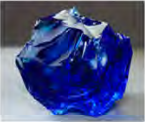
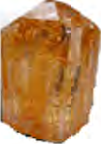
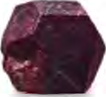
Not every mineral goes to a factory. Some are cut and polished and worn just as they are. The four gemstones below are of that kind, and their beauty is itself their use.

Uses in the Agriculture Sector
In farming, minerals do the main work of keeping soil fertile and pushing up the yield of food crops. When the same field is cropped year after year, the soil runs short of the substances plants need and the harvest falls. For a plant to grow properly it needs iron, calcium, potassium, nitrogen and other elements, and these elements are supplied from minerals.
Chemical fertilisers, pesticides and soil conditioners are all manufactured from minerals. These support crop farming, poultry keeping, fish farming, animal husbandry and the supply of food in general. The use of minerals does not stop at the field, then: starting from the grain, it holds up the whole food chain that reaches hens, fish and cattle as well.
Chemical fertiliser: a fertiliser manufactured from minerals that gives plants the elements they need directly, replacing what the soil has lost.
- Nitrogen
- Potash
- Gypsum
- Sulphur
- Phosphorus
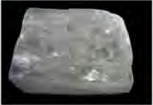
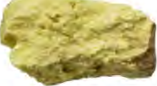
Those five are the main minerals used in the agriculture sector. Two of them look like this.
Uses in the Industry Sector
Industry uses minerals as its raw material. Building materials, paint, glass, ceramics, detergent and cement all need minerals to be made. Silica, mica, limestone, gypsum, magnesite and granite are among the minerals the industrial sector works with.

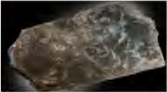
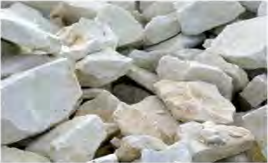
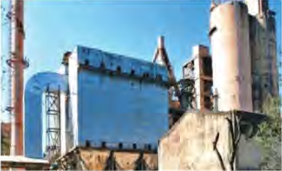
In Nepal, limestone is used to manufacture cement, and the Udayapur Cement Factory along with many other plants runs on it. Heaps of limestone are carried to the factory, where they are crushed and burnt at a very high temperature to make cement. Wire, colouring materials, equipment and hand tools are likewise made from minerals that contain metal.
Uses in the Construction Sector
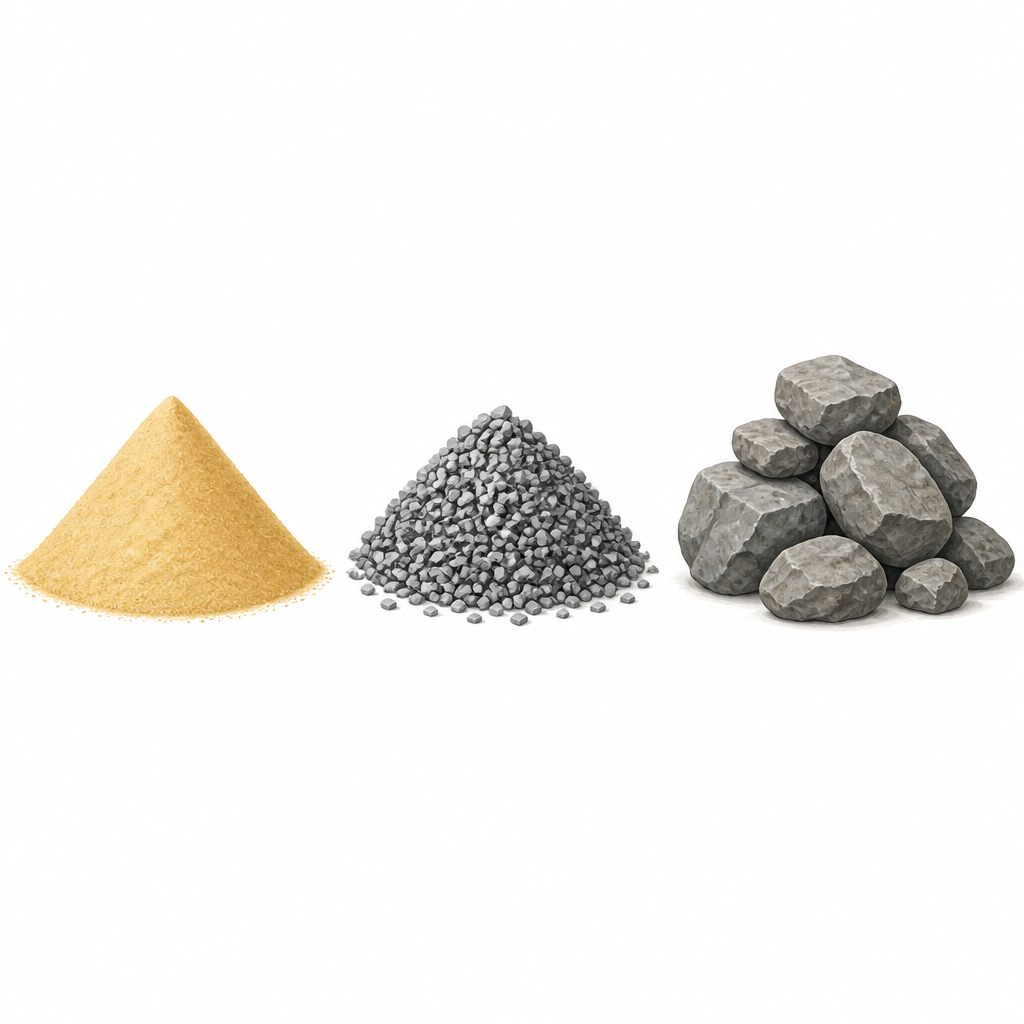
Development and construction work runs on minerals too. Houses, bridges, roads and other infrastructure are built using stone, sand, gravel, gypsum and other materials that come from minerals. Walk onto any building site and these are the first heaps you see.
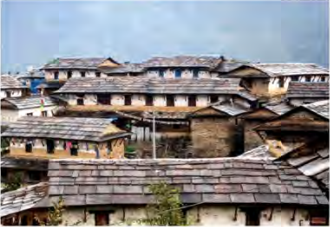
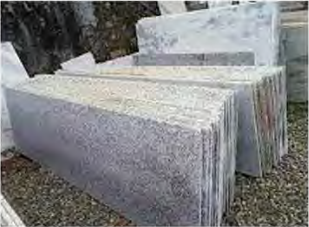
Roofing a house with slate is an old practice in Nepal and it is still alive today, while limestone and marble are used for idols, statues and stone inscriptions. Slate, marble, granite and soapstone, used to make a house look good, are all mineral materials. So minerals both hold a building up and make it beautiful.
Do not treat limestone and cement as the same thing. Limestone is the raw material that comes out of a quarry, and cement is the finished product a factory makes from it. Do not assume one mineral has only one use either. Gypsum belongs to both the agriculture list and the construction list, and limestone is used in industry as well as for stone inscriptions.
Uses in the Energy Sector
Coal, graphite, mineral oil, lithium and manganese are used as sources of energy. Coal in particular is burnt as an energy source in brick kilns, in furnaces that melt iron, to run trains and to generate electricity. Coal is not all one substance: it is sorted into peat, lignite, bituminous and anthracite.

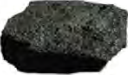
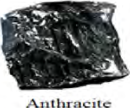
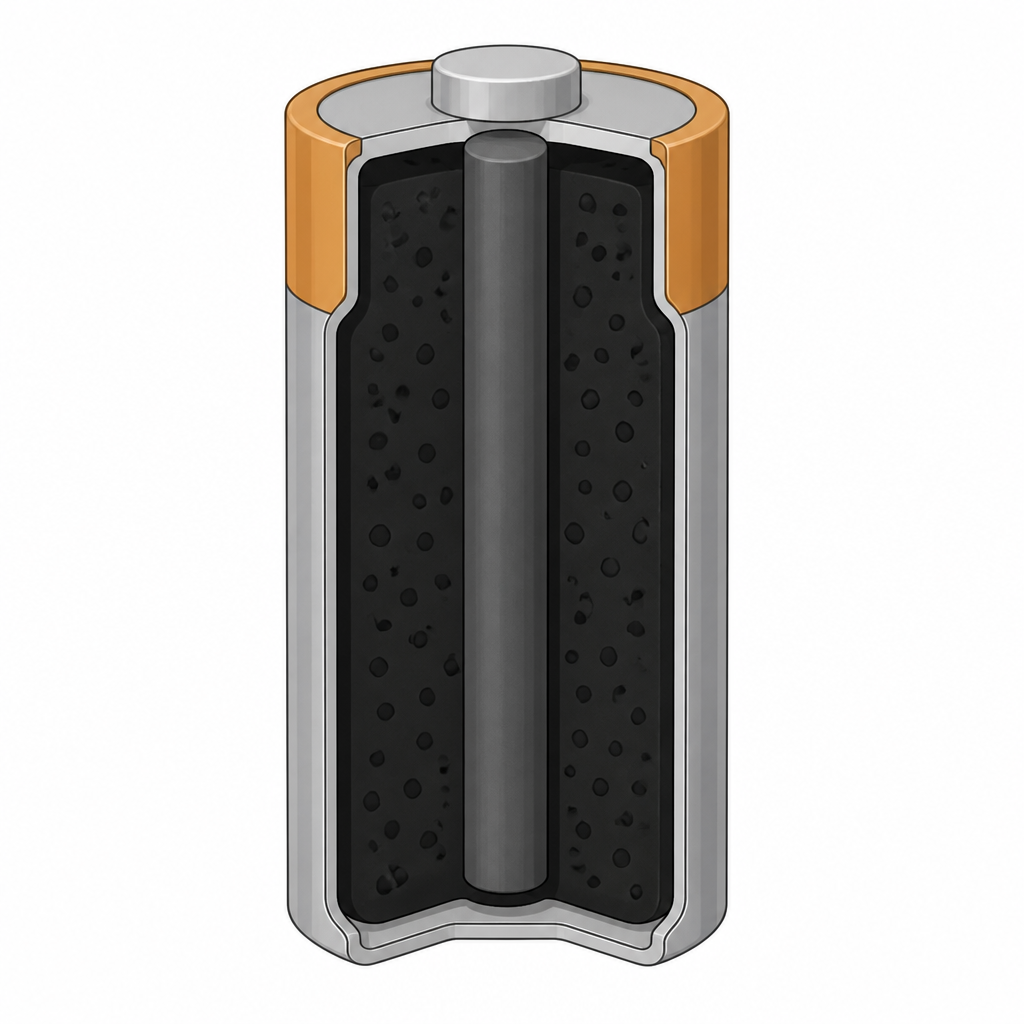
Energy minerals are not needed only in big factories. Lithium, manganese and graphite are used in dry cells. The small cell inside a torch, a clock or a remote control runs on these same minerals.
Dry cell: a small cell with no free liquid inside it, which turns chemical energy into electrical energy. Minerals such as graphite, manganese and lithium are used in it.
The Four Sectors at a Glance
The table below sets the four sectors side by side. The same mineral can appear in more than one row, and that is exactly where the strength of minerals lies.
| Sector | Minerals used | What is made |
| Agriculture | Nitrogen, potash, gypsum, sulphur, phosphorus | Chemical fertiliser, pesticide, soil conditioners |
| Industry | Silica, mica, limestone, gypsum, magnesite, granite | Cement, glass, paint, ceramics, detergent, wire, equipment |
| Construction | Stone, sand, gravel, gypsum, slate, marble, granite, soapstone | Houses, bridges, roads, roofs, idols, statues, inscriptions |
| Energy | Coal, graphite, mineral oil, lithium, manganese | Heat for kilns and furnaces, trains, electricity, dry cells |
An easy way to hold the four uses: fertiliser in the field, raw material in the factory, stone and roofing in the house, fuel in the kiln and the cell.
Finding Minerals in Your Own Community
The use of minerals is not only something to read about. It can be seen in your own neighbourhood. Work through the steps below.
- Walk around the community where your school is.
- Find the minerals that have been used there, such as slate on a roof, cement in a wall or gravel on a road.
- Beside each one, write down the job that mineral is doing.
- Put all of it together into one list.
- Show the list in class and discuss it.
- Finally, write a report and show it to your teacher.
The full lesson is waiting for you
The notes are free to read in full. A free account opens the rest of the practice, and tracks your progress and confidence score for every subject. Presentations and videos need approval from Learn Yeti.