Vertebrates of Land and Air
Animals with a backbone are called vertebrates. Scientists sort them into classes, and every member of a class shares a few features that mark it out. Three of these classes are Reptilia, Aves and Mammalia. Reptiles crawl on the ground, birds fly through the air, and mammals feed their babies on milk.
To place an animal in one of these three classes, check five things: what covers its body, what its limbs are used for, whether its body temperature changes with the surroundings, how many chambers its heart has, and whether it lays eggs or gives birth to young. Once you can answer those five questions, you can classify an animal you have never seen before.
Reptilia: Animals That Crawl
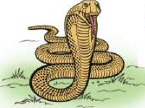
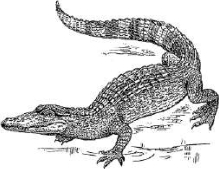
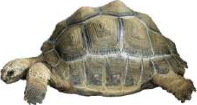
A snake, a lizard, a crocodile and a tortoise look nothing alike, yet they share one habit: they move by crawling, with the body kept close to the ground. The word reptile itself comes from a Latin word meaning to creep. Because of this crawling habit and their scaly skin, these animals are grouped in the class Reptilia.
Reptilia: the class of vertebrates whose body is covered with dry and horny scales and which crawl on the ground for locomotion.
Reptiles have the following characteristics:
- Their bodies are covered with dry and horny scales. The scales stop the body from losing water, which is why reptiles can live far from water.
- Their bodies are divided into four parts: head, neck, trunk and tail.
- They have two pairs of limbs which crawl on the ground for locomotion. Snakes are the exception: they have no limbs and crawl with the whole body.
- They are poikilothermic.
- They respire through lungs.
- They have a three-chambered heart, but crocodiles have a four-chambered heart.
- They are unisexual. Fertilization is internal and they are oviparous.
- They are mostly found on land, although some live in both land and water. The aquatic ones have no gills, so they come to the surface of water for respiration.
Examples: snake, garden-lizard, wall-lizard, crocodile, tortoise, etc.
Poikilothermic: describes an animal whose body temperature changes with the temperature of its surroundings.
Watch a garden-lizard on a cold morning. It sits still on a sunny wall or rock, and only after its body has warmed up does it dart about catching insects. In winter, snakes hide in holes and stay inactive for weeks, because the cold slows their bodies down. This is what being poikilothermic means in daily life.
Unisexual: having male and female as separate individuals.
Internal fertilization: the joining of the male and female sex cells inside the body of the female.
Oviparous: describes an animal that lays eggs, from which the young hatch outside the mother's body.
The crocodile is a reptile, but unlike other reptiles its heart has four chambers. Whenever you write about the reptile heart, mention this exception.
Reptile or Amphibian?
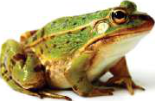
A tortoise and a toad, or a lizard and a frog, can seem alike at first glance. Reptiles and amphibians are both poikilothermic, and most of both have a three-chambered heart. Their skin, their breathing and their reproduction tell them apart.
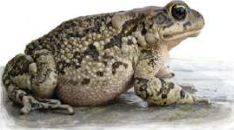
| Feature | Amphibians | Reptiles |
| Skin | Moist, without scales | Dry, covered with horny scales |
| Breathing | Young through gills; adults through lungs and moist skin | Through lungs only, all their life |
| Fertilization | External | Internal |
| Link with water | Need water for reproduction | Mostly live on land |
Aves: Animals With Feathers and Wings
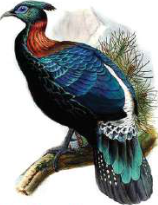
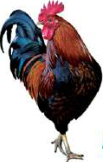
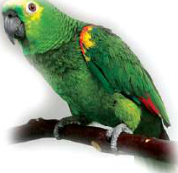
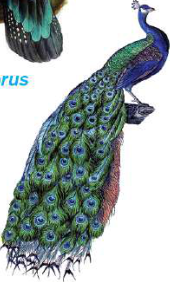
In the parrot, the lophophorus, the peacock, the duck and the hen, the fore limbs have been modified into wings. Each of them has a beak, and each body is covered with feathers. Animals with these features are grouped in the class Aves, the birds. The colourful lophophorus of the high hills, known in Nepal as the Danphe, is the national bird of Nepal.
Aves: the class of vertebrates whose body is covered with feathers, whose fore limbs are modified into wings, and which have a beak.
Birds share these general features:
- Their body is covered with feathers.
- The body is divisible into head, neck, trunk and tail.
- They have two pairs of limbs: the forelimbs are modified into wings and the hind limbs are used for walking.
- They have hollow pneumatic bones, which make their bodies lighter for flying.
- They are homoeothermic.
- They breathe through lungs.
- They have a four-chambered heart.
- They are unisexual. Fertilization is internal and they are oviparous.
- They have air sacs inside their bodies. They live on land and they can fly.
Examples: parrot, lophophorus, peacock, duck, hen, etc.
Pneumatic bones: hollow bones filled with air, found in birds, which are strong but light and reduce the weight of the body.
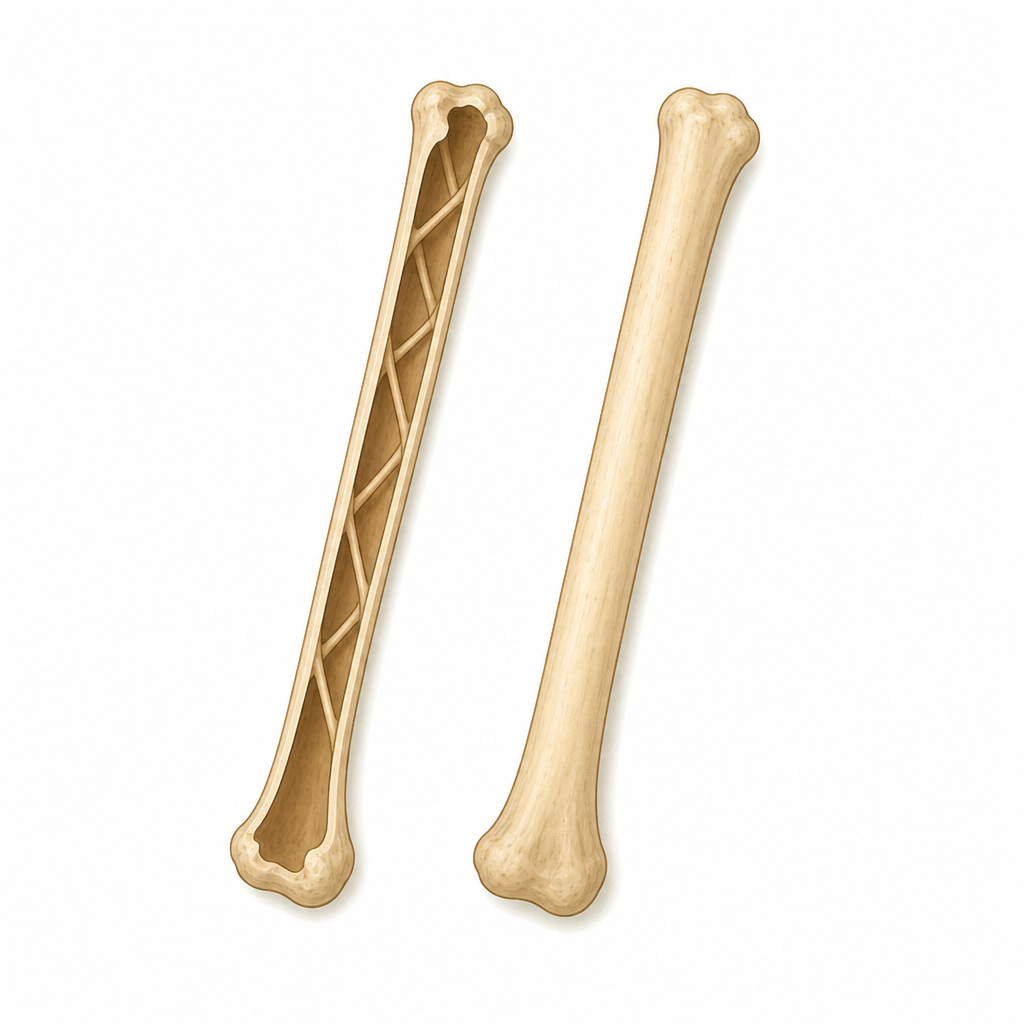
Air sacs: thin-walled bags of air inside a bird's body, connected to the lungs, which help in breathing and make the body lighter.
A body that flies must be light. A bird weighs much less than a mammal of the same size, because its bones are hollow and its body holds bags of air. When the wings spread, the feathers push against the air and the bird lifts off. The same feathers also trap a layer of air that keeps the body warm.
Homoeothermic: describes an animal that keeps its body temperature constant, whatever the temperature of its surroundings.
A hen comes out to peck for grain even on a freezing winter morning, because as a homoeothermic animal its body stays warm on its own. A hen, a peacock and a duck fly only short distances, not long ones. They are still birds, because they have feathers, wings, a beak and hollow bones.
Mammalia: Animals That Feed Their Young on Milk
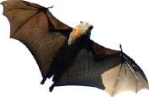
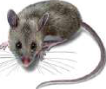
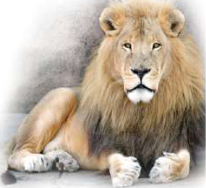
A rat, a bat and a lion all have bodies covered with hair. They do not lay eggs. They give birth directly to young ones and suckle milk to their babies. All such animals belong to the class Mammalia. The class takes its name from the mammary glands, which produce the milk.
Mammalia: the class of vertebrates whose body is covered with hair, which have mammary glands, give birth to young ones and suckle them with milk.
Mammary glands: glands in a female mammal that produce milk to feed her young.
Viviparous: describes an animal that gives birth directly to young ones instead of laying eggs.
Mammals have the following characteristics:
- Their body is covered with hair.
- Generally, their body is divided into head, neck, trunk and tail.
- They have developed mammary glands.
- They breathe through lungs.
- They are homoeothermic.
- They have a four-chambered heart.
- They are unisexual. Fertilization is internal. They are viviparous.
Notice the word generally in the second point. A cow or a horse clearly shows all four body parts. A human has no tail outside the body, and a whale's neck is so short it cannot be seen. Both are still mammals, because every other feature fits.
Examples: human, horse, whale, cow, rat, bat, lion, etc.
A bat is not a bird just because it flies. It has hair, not feathers, it has no beak, and it gives birth to young and feeds them milk, so it is a mammal. In the same way, a whale is not a fish just because it lives in water. It breathes with lungs, not gills, and suckles its young.
Reptilia, Aves and Mammalia Side by Side
| Feature | Reptilia | Aves | Mammalia |
| Body covering | Dry, horny scales | Feathers | Hair |
| Special feature | Crawl on the ground | Pneumatic bones and air sacs | Mammary glands |
| Body temperature | Poikilothermic | Homoeothermic | Homoeothermic |
| Heart | Three-chambered; four in crocodile | Four-chambered | Four-chambered |
| Breathing | Lungs | Lungs | Lungs |
| Young | Oviparous | Oviparous | Viviparous |
| Examples | Snake, crocodile, tortoise | Parrot, lophophorus, hen | Human, cow, bat |
Look along the rows and you will see that some features are the same in all three classes. All of them breathe through lungs, are unisexual and have internal fertilization. Those features cannot tell the classes apart. The features that do separate them are the body covering, the body temperature, the heart and the way young are produced.
Classifying an Animal From Its Features
When you meet an animal, or a preserved specimen in a jar, ask these questions in order:
- What covers its body: scales, feathers or hair?
- Are its fore limbs used for crawling, modified into wings, or used in some other way?
- Does its body temperature change with the weather, or stay steady?
- Does it lay eggs, or give birth to young and feed them milk?
Take the pangolin, found in the forests of Nepal. Its body is covered with large overlapping scales, so at a quick glance it looks like a reptile. Look closer and there is hair between the scales and on the belly. The mother gives birth to a baby and feeds it milk from her mammary glands. Most of its features match Mammalia, so the pangolin is a mammal. One feature is never enough to decide a class; check several.
Museum specimens are kept in chemical preservatives. Do not open the jars, and do not touch or smell the liquid. Wash your hands with soap and water after the activity.
The full lesson is waiting for you
The notes are free to read in full. A free account opens the rest of the practice, and tracks your progress and confidence score for every subject. Presentations and videos need approval from Learn Yeti.