A Small Country Holding a Great Deal of Life
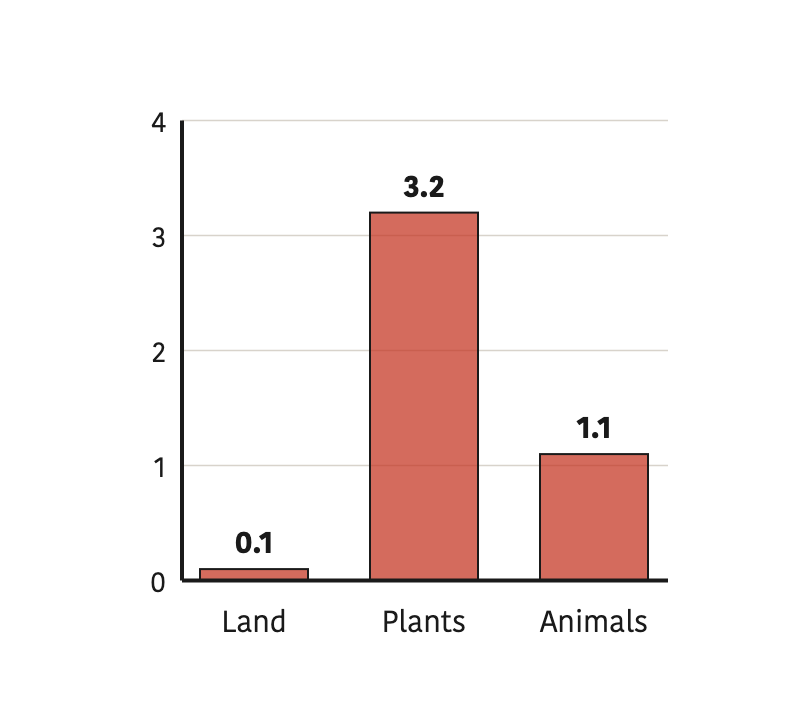
Nepal covers only 0.1% of the total land area of the world. On a world map it looks like a narrow strip pressed between two very large neighbours. Yet inside that small strip live so many kinds of animals, plants and micro-organisms that many countries several times its size cannot match the count. This is the first idea to hold on to about the present state of biodiversity in Nepal. The country has little land, but a great many forms of life.
Nepal holds only 0.1% of the world's land, but 3.2% of the world's plants and 1.1% of its animals live here. A small piece of land carrying a large share of life.
Geography Is the Reason Nepal Is So Rich
There is nothing accidental about the number of living things found in Nepal. Many different types of climate, a wide variation in altitude, the shape of the land surface and the unevenness of the country's geography together make room for a great many animals, plants and micro-organisms. In the south lie the hot, flat plains of the Terai. North of them come the Churia hills, the Mahabharat range, the mid hills, and finally the cold Himalayan belt.
Walk a short distance towards the north and the temperature falls, the rainfall changes and even the soil becomes a different kind. Each belt carries its own plants and animals, the ones able to survive the heat or the cold of that particular belt. A creature that lives in the sal forest of the Terai cannot survive on a high Himalayan pasture, and a creature of that pasture cannot survive the heat of the Terai. Because so many different habitats are packed into one country, Nepal has become rich in biodiversity.
Where Nepal Stands in the World
Measured by biodiversity, Nepal stands 27th in the world. Within Asia it stands 10th, and within South Asia it stands second. Put those three positions side by side and one thing becomes clear. The smaller the region you compare within, the higher Nepal climbs. Against every country on earth Nepal is twenty-seventh, but inside its own neighbourhood only one country stands above it.
| Region compared within | Nepal's position |
| The world | 27th |
| Asia | 10th |
| South Asia | Second |
Nepal's Share of the World's Living Things
Of all the living things found in the world, 3.2% of the plants and 1.1% of the animals are found in Nepal. Those two figures have to be read next to the 0.1% of land. The share of plants is thirty-two times the share of land, and the share of animals is eleven times it. This is the clearest proof that the biodiversity of a country is not decided by its size alone.
118 Ecosystems and More Than 15 Kinds of Forest
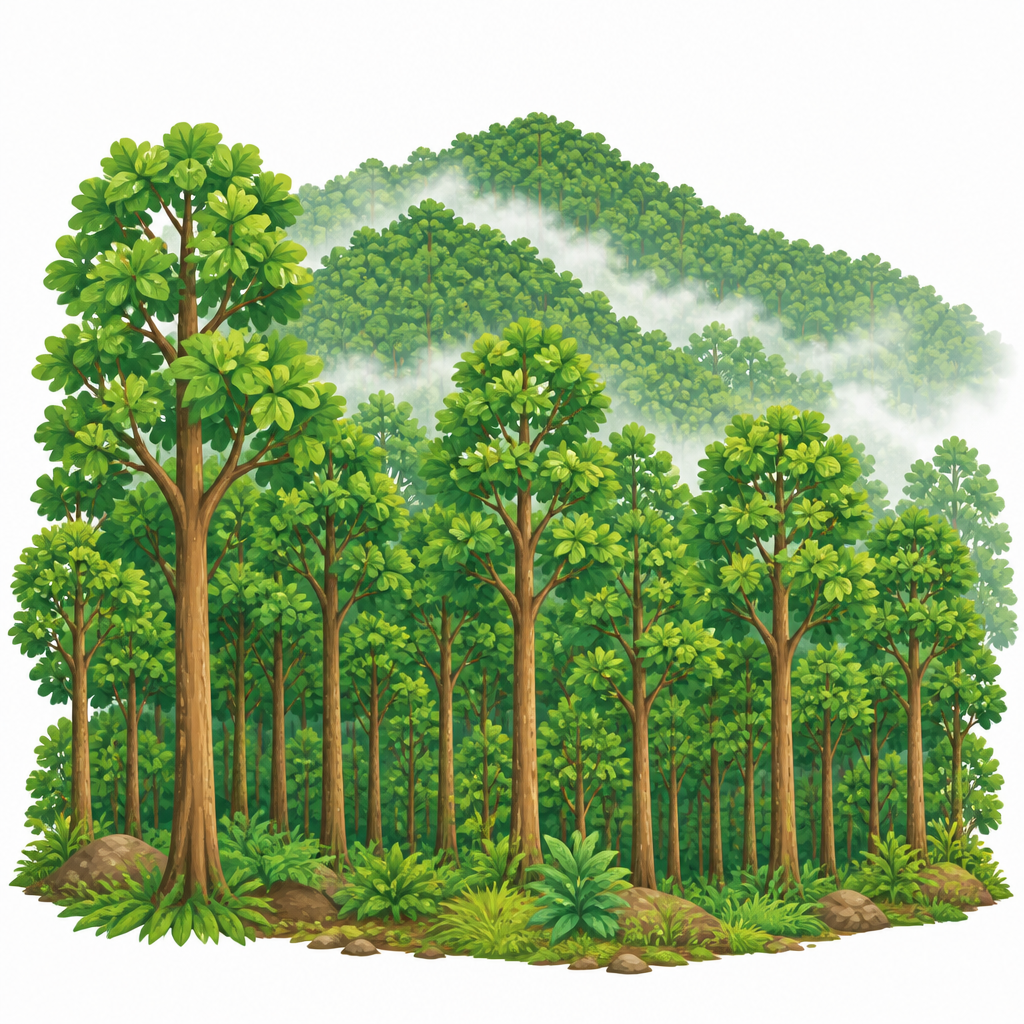
Nepal has 118 types of ecosystem and more than 15 types of forest. A wetland, a grassland, a sal forest, a rhododendron forest and a high alpine pasture are each a separate ecosystem. Every one of them holds its own group of living things, the ones suited to the climate and soil of that place. That is why a country with many ecosystems ends up with many species.
Ecosystem: all the living things of one particular place together with the non-living parts of that place, such as its air, water and soil, working as a single unit.
The Rare Animals of Nepal
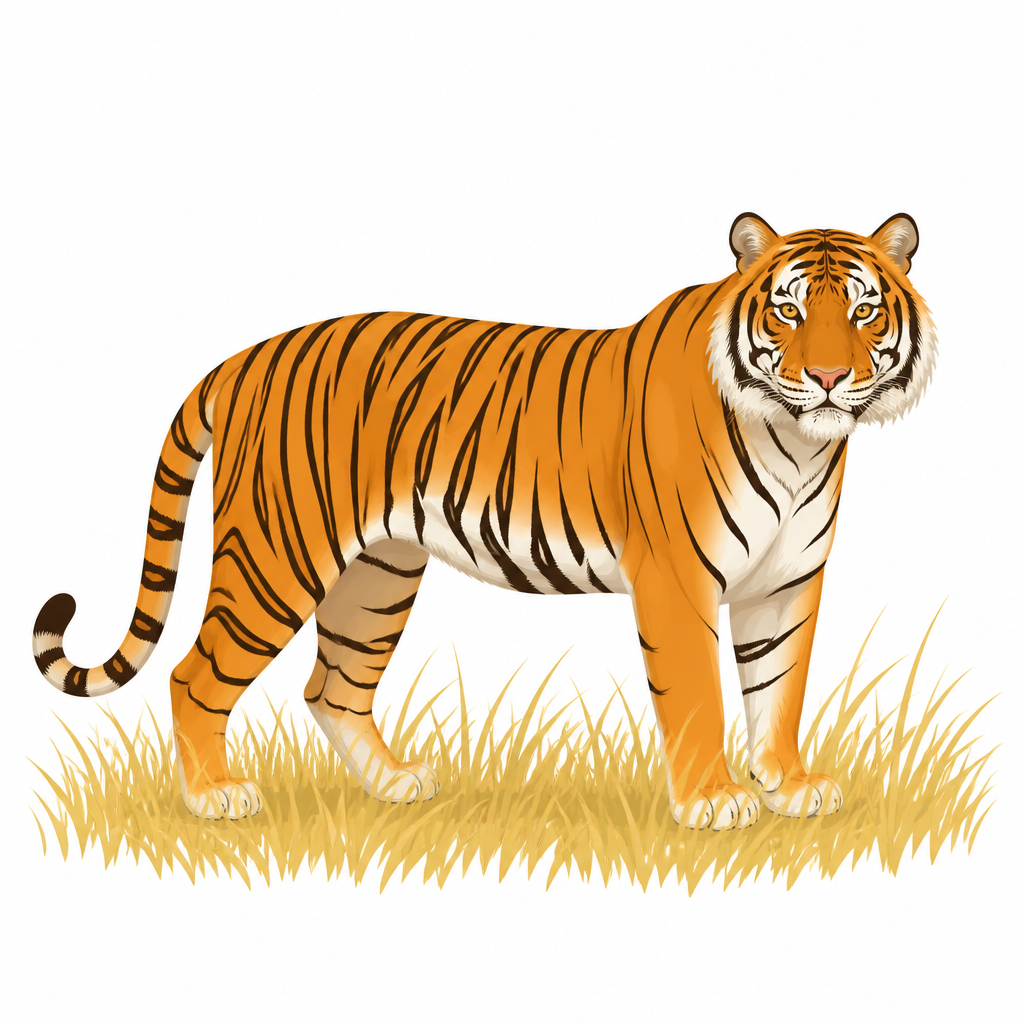
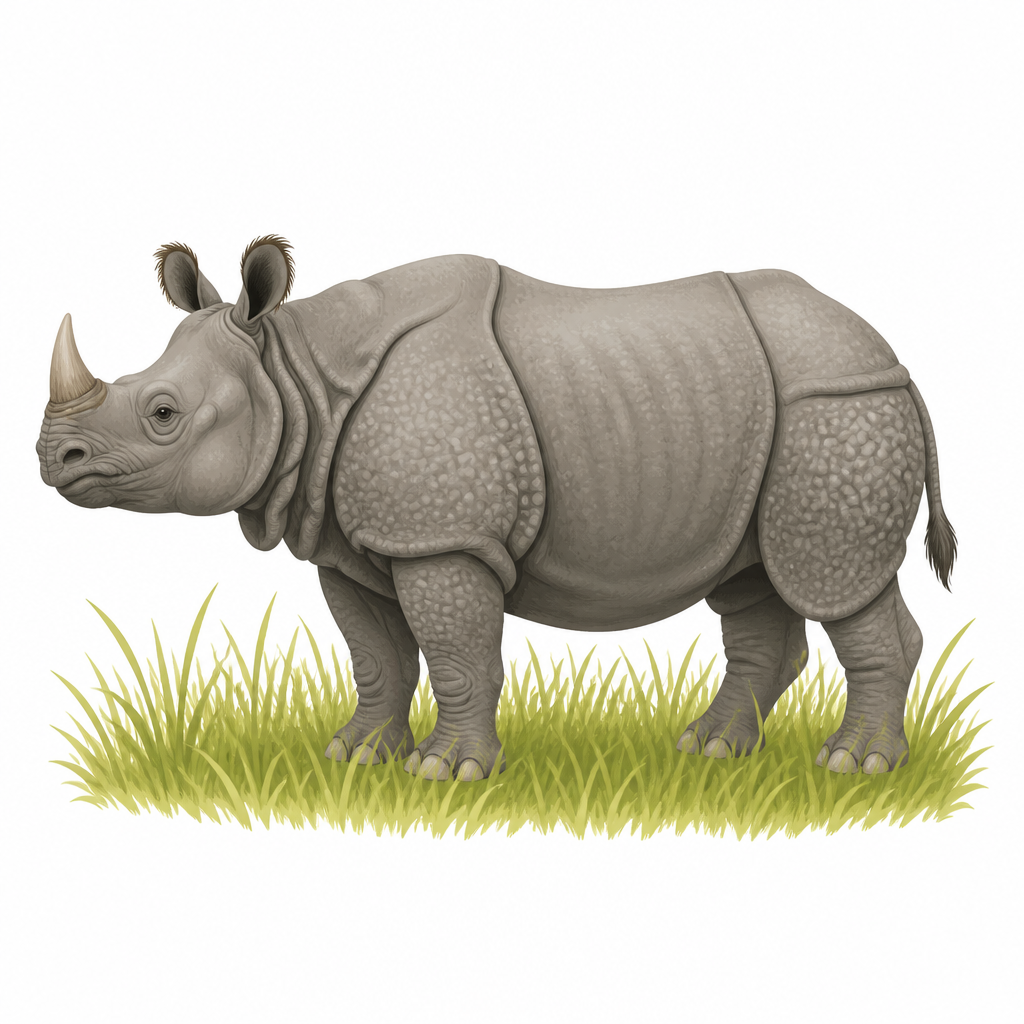
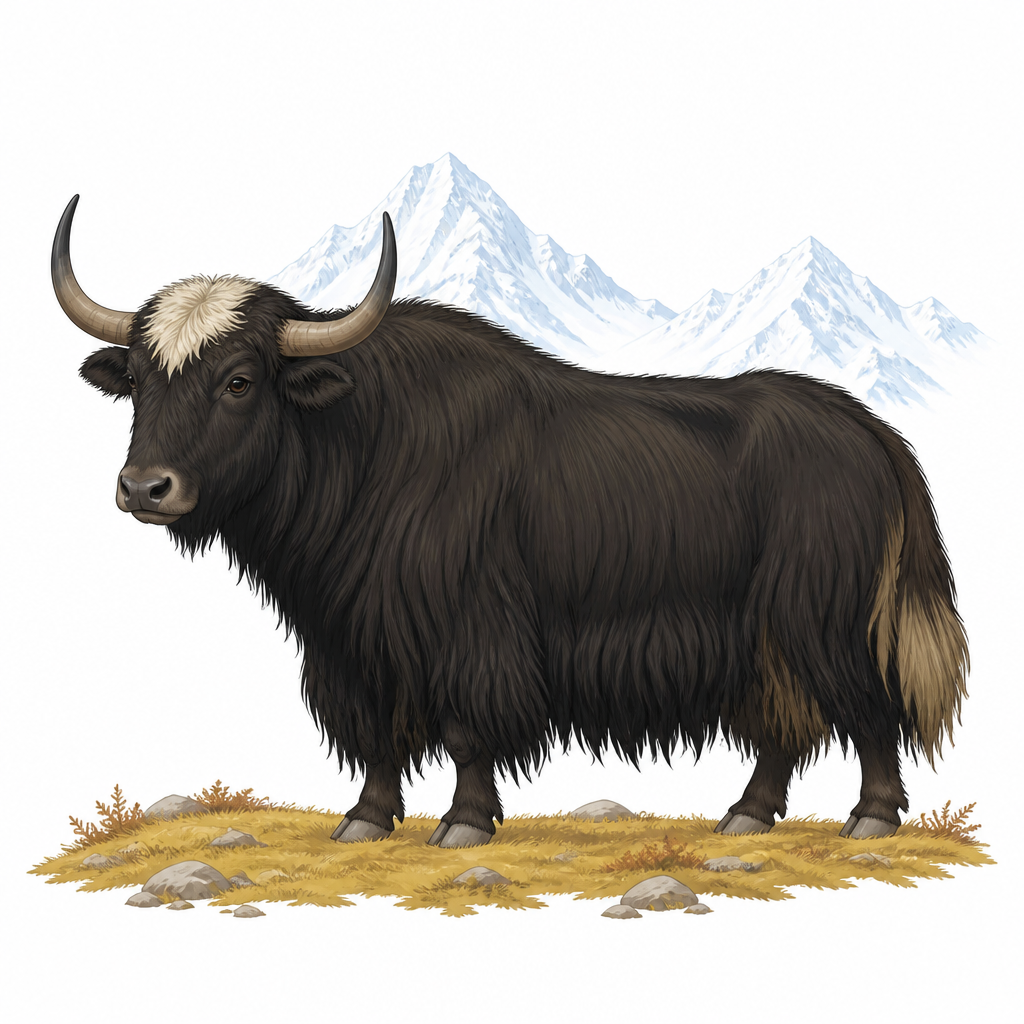
Some special and rare animals and plants are found in Nepal as well. The Bengal tiger and the one-horned rhino of the Terai, and the wild yak of the Himalayan region, are counted among the rare animals of Nepal. These animals are found in some other countries too, but their numbers are small and the places where they can live keep shrinking. That is what makes them rare.
Rare species: a species whose numbers are very small and which survives in only a few places.
A Bird Found Nowhere Else: The Spiny Babbler
The spiny babbler (Turdoides nipalensis), a bird of the mid hills, is found only in Nepal. It lives in no other country in the world. That means if this bird disappears from Nepal, it disappears from the earth altogether. There is nowhere to bring it back from. This is why the responsibility for protecting a species found only in Nepal rests entirely on Nepal.
Species found only in Nepal: a species that lives naturally nowhere in the world except Nepal.
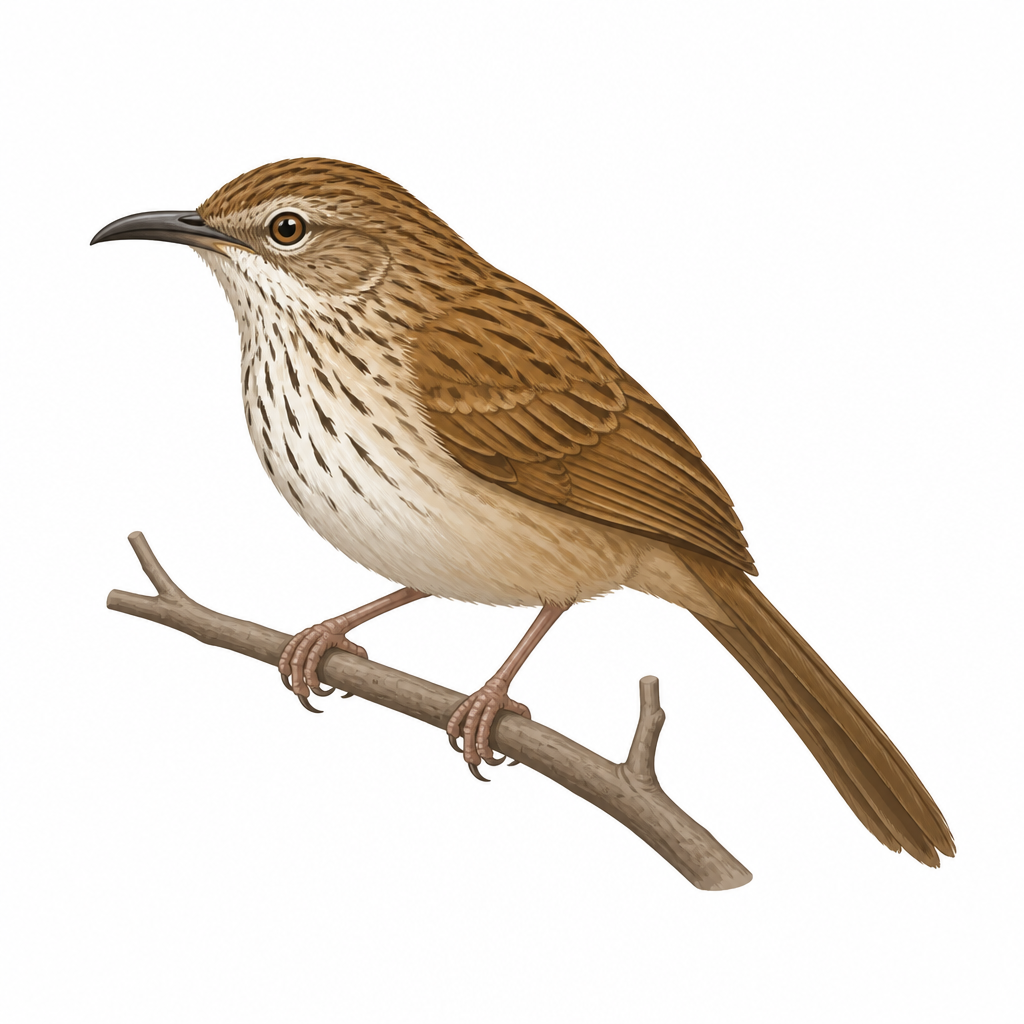
Being rare and being found only in Nepal are not the same thing. The Bengal tiger is rare, but it also lives in other countries. The spiny babbler lives only in Nepal. These two ideas get swapped very easily in an exam.
Thirty-Two Rhododendrons and the Marsi Rice of Jumla
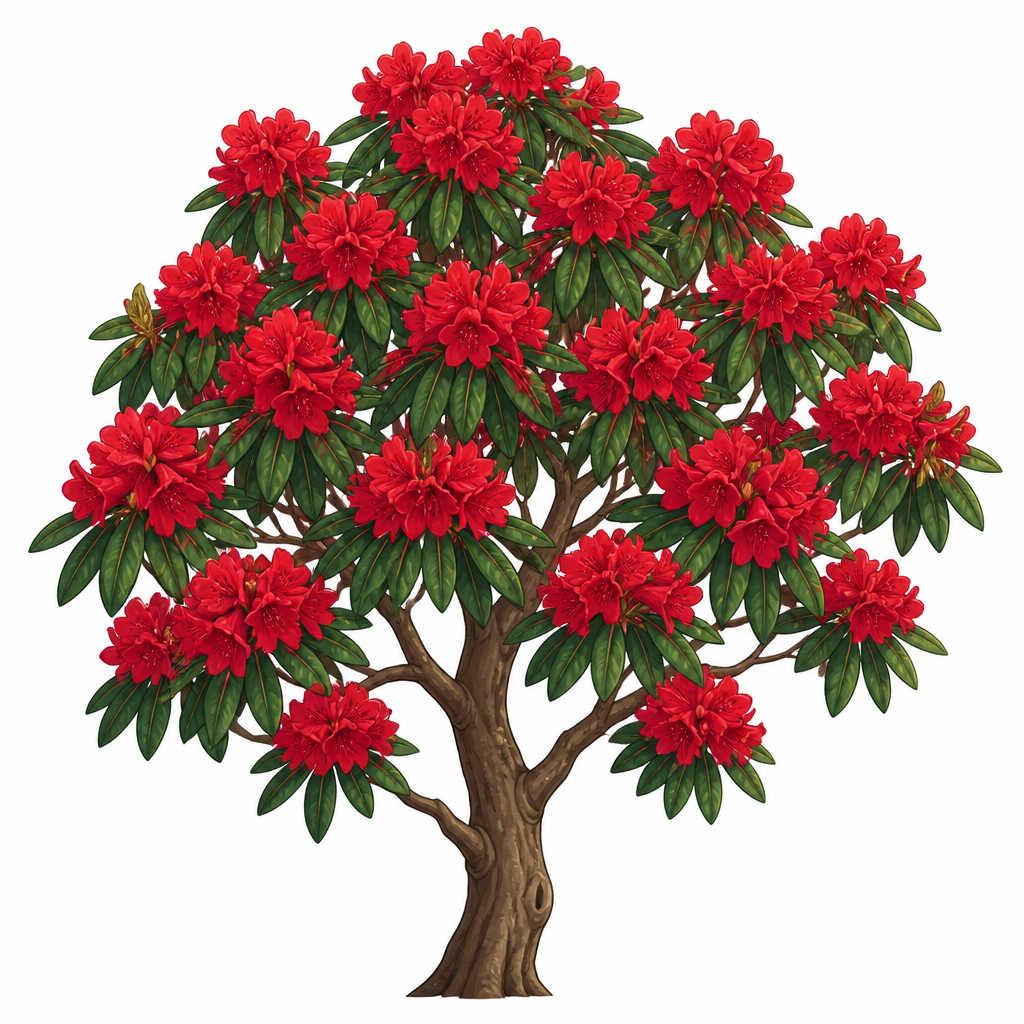
Thirty-two species of rhododendron are found in Nepal. So many species of a single flower living in one country is itself a proof of biodiversity. Red, pink, white and yellow rhododendrons bloom at different altitudes.
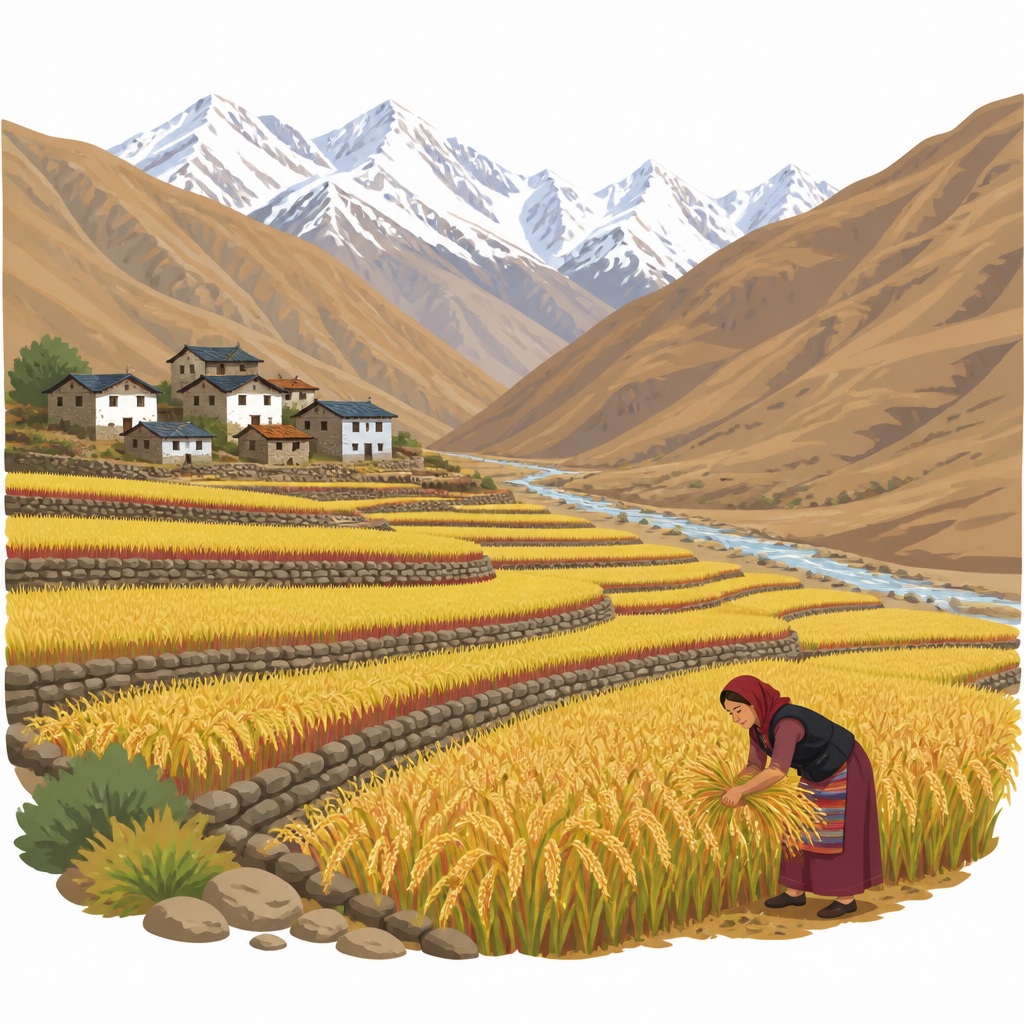
The Marsi rice grown at an altitude of 3050 metres in Jumla and the areas around it is a native rice variety cultivated at the highest place in the world. Rice ripening at such a height, in such cold, is no ordinary thing. This variety has adjusted itself to that climate over hundreds of years, and for that reason it is treated as important in terms of biodiversity.
Native variety: a local kind that has grown in one place for a long time and has become suited to the climate of that place.
Nepal's Share, Plant Group by Plant Group
The single figure of 3.2% does not tell the story of every plant group. In some groups Nepal's share is much higher than that, and in others it is lower. The table below gives, for each group, the number found in the world, the number found in Nepal and Nepal's share as a percentage.
| Plant group | Found in the world | Found in Nepal | Nepal's share (%) |
| Lichens | More than 17,000 | 850 | 5 |
| Algae | 56,579 | 1,001 | 1.76 |
| Fungi | 98,998 | 2,467 | 2.45 |
| Bryophytes | 16,236 | 1,213 | 7.47 |
| Pteridophytes | 12,000 | 580 | 4.83 |
| Gymnosperms | 1,021 | 41 | 4 |
| Angiosperms | 369,400 | 6,973 | 1.87 |
The highest percentage in this table belongs to the bryophytes, at 7.47. By plain count, though, the angiosperms lead with 6,973 species. Those are two different facts. Having the largest number and having the largest share are not the same thing.
Nepal's Share, Animal Group by Animal Group
Although Nepal's overall share of animals is 1.1%, the groups differ a great deal. Nepal's share is highest among birds and lowest among spiders.
| Animal group | Found in the world | Found in Nepal | Nepal's share (%) |
| Mammals | More than 4,765 | 185 | 3.96 |
| Birds | 9,799 | 886 | 8.90 |
| Reptiles | More than 7,870 | 78 | 0.99 |
| Amphibians | More than 4,780 | 118 | 2.47 |
| Fish | 10,000 | 187 | 1.87 |
| Butterflies | 17,500 | 651 | 3.27 |
| Spiders | 39,490 | 175 | 0.44 |
The 8.90% for birds is the highest figure in either table. Roughly one in every eleven bird species on earth can be seen in Nepal. The many different habitats from the plains to the mountains, together with the birds that migrate here in winter, are what push this number up.
How These Percentages Are Worked Out
Divide the number of species found in Nepal by the number found in the world, then multiply by 100. That gives Nepal's share as a percentage. Take the fish as the worked case. There are 10,000 species in the world and 187 of them in Nepal.
Step 1: The mathematical statement is:
\[ \frac{187}{10000} \times 100 \]
Step 2: Dividing first, since \( 187 \div 10000 = 0.0187 \), this becomes:
\[ 0.0187 \times 100 \]
Step 3: Multiplying by 100 gives Nepal's share:
\[ 1.87\% \]
The same method works for any group. For the amphibians, dividing 118 by 4,780 and multiplying by 100 gives 2.47%.
The number in the middle column is a count of species found in Nepal, not a percentage. The 886 for birds means 886 species, not 886%. The percentage always sits in the last column.
The full lesson is waiting for you
The notes are free to read in full. A free account opens the rest of the practice, and tracks your progress and confidence score for every subject. Presentations and videos need approval from Learn Yeti.