Why Biodiversity Must Be Protected
Biodiversity conservation means protecting the plants and the animals of the earth. To conserve a living thing is to let it go on living and to stop its numbers from falling. When biodiversity is conserved, the balance of the environment is kept steady for a long time.
When the number of one wild animal or one plant falls in an area, the loss does not stop with that single species. It disturbs the whole ecosystem. If vultures grow scarce in a forest, for example, the bodies of dead animals lie rotting for a long time and the danger of disease spreading goes up. Saving one living thing really means saving every living thing that is linked to it.
Biodiversity conservation: the protection of the plants and animals of the earth so that they survive and their numbers do not fall.
Biodiversity is conserved by two processes: in-situ conservation and ex-situ conservation.
The Two Processes of Conservation
Both processes have the same goal, but they work in different places. In the first, a living thing is protected right inside the natural home where it already lives. In the second, it is brought out of that home and kept in a natural setting that people have prepared for it. The table below shows which places belong to which process.
| In-situ conservation | Ex-situ conservation |
| National park | Botanical garden |
| Hunting reserve | Zoo |
| Natural area conservation | Nursery garden |
| Wildlife reserve | Safari park |
| Conservation area | Aquarium |
| Seed bank, gene bank, embryo bank, sperm bank and so on |
In-situ Conservation: Protection in the Natural Home
In-situ conservation: the protection of animals and plants inside the natural habitat where they already live.
This method can protect every kind of living thing: common species, threatened species and species close to extinction. A tiger is kept safe in the forest that is already its own, a rhododendron on the hillside where it already grows, a bird in the same thicket it already nests in. Nothing is moved anywhere. The home itself is made safe.
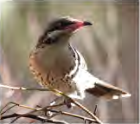
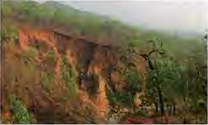

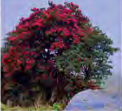
The great strength of this method is that the animals stay in a large natural area, so they keep living their own way of life through the natural give and take between living things. Hunting, raising young, moving with the season and staying in their own group all go on unchanged. The young born there grow up able to survive in the wild.
There are difficulties as well. Because the area is so large, poaching, forest fire and disease among wild animals are all hard to control. Finding one sick animal and treating it may mean searching hundreds of square kilometres of forest. National parks, natural area conservation, wildlife reserves and conservation areas all come under in-situ conservation.
Nepal's In-situ Conservation Areas
Nepal has 12 national parks, one wildlife reserve, one hunting reserve and 6 conservation areas. Inside these areas the law forbids felling trees, hunting and damaging habitat, and staff are posted to watch over them.
| National parks | Wildlife reserve | Hunting reserve | Conservation areas |
| Chitwan, Sagarmatha | Koshi Tappu | Dhorpatan | Annapurna |
| Bardiya, Rara | Kanchenjunga | ||
| Khaptad, Langtang | Manaslu | ||
| Makalu Barun | Krishnasar | ||
| Shey Phoksundo | Gaurishankar | ||
| Shivapuri, Parsa | Api Nampa | ||
| Banke, Shuklaphanta |

Ex-situ Conservation: Protection Away from the Natural Home
Ex-situ conservation: the protection of living things outside their natural habitat, in a place where a natural setting is provided for them.
The point to notice is that a living thing is not simply put anywhere. An animal kept in a zoo is still given the food it eats, a shelter and an enclosure it can move about in. A plant in a botanical garden is given the soil, water and sunlight that suit it. That is why this is called protection with a natural setting provided.
This method works better for threatened species and species close to extinction. The area is small and controlled, so the animals can be watched over easily. A sick animal can be treated at once, there is no fear of poaching, and breeding can be helped along. Native species, however, prefer to live in the place they belong to, so protecting them by this method is difficult. Moved somewhere new, some living things stop feeding or refuse to breed.
Botanical gardens, zoos and safari gardens are its main examples. Nursery gardens, aquariums, seed banks, gene banks, embryo banks and sperm banks also belong to this process. A bank does not keep the living animal or plant itself. It keeps the seeds, the genes and the cells in safe storage, so that the same species can be grown again later if it is needed.

The Two Methods Side by Side
| Basis | In-situ conservation | Ex-situ conservation |
| Place | Inside the living thing's own natural habitat | Outside the habitat, with a natural setting provided |
| Size of area | A large natural area | A small controlled area |
| Suited to | All living things, common, threatened and near extinction | More effective for threatened species and species near extinction |
| Advantage | The living thing keeps its own way of life | It is easy to watch over |
| Difficulty | Poaching, fire and disease are hard to control | Native species are hard to protect |
| Examples | National park, wildlife reserve, conservation area | Botanical garden, zoo, safari garden |
Students most often swap in-situ and ex-situ. In-situ means in the original place, so the living thing stays where it already was. Ex-situ means out of that place, so the living thing has been moved. Whenever you are given an example, first ask whether the animal or plant is still in its own habitat.
Measures That Support Biodiversity Conservation
Besides the two main processes described above, biodiversity can also be conserved through the measures listed below.
- (a) By controlling the poaching of wild animals and the illegal trade in them
- (b) By creating and managing more protected areas as the need arises
- (c) By controlling human activities such as grazing, forest fire, pollution, unplanned urbanisation and industrialisation
- (d) By framing acts and laws on biodiversity conservation and enforcing them effectively
- (e) By spreading public awareness about biodiversity conservation
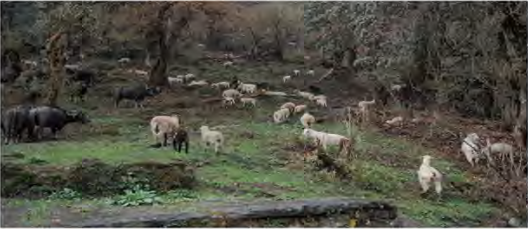
No single measure is enough on its own. A protected area cannot stop poaching if the law is not enforced, and a law achieves little if people do not understand why it exists and refuse to cooperate. Conservation is therefore shared work between the government, the school and the community.
Finding Out About Protected Areas Yourself
Reading about conservation is not enough on its own. You also have to look at what is happening around you and find things out for yourself. Complete your learning with the two tasks below.
- With the help of a guardian or a school teacher, visit a protected area, a national park, a reserve or a community forest near your home or school. Note the condition of the protected wild animals found there, the conservation process being used and the way the area is managed. Discuss it in class, prepare a visit report and present it.
- Go to the computer laboratory and search for informative records or videos about Nepal's protected wild animals and plants. Prepare the details you need from them and present your findings in class.
Visit a protected area only with a guardian or a teacher. Do not go close to wild animals, do not feed them and do not touch them. Stay on the paths and within the limits that the park staff set.
The full lesson is waiting for you
The notes are free to read in full. A free account opens the rest of the practice, and tracks your progress and confidence score for every subject. Presentations and videos need approval from Learn Yeti.