Two Kinds of Effect
Microorganisms are so small that no one can see them with the naked eye. They live in soil, in water, in air, in food, in rubbish and inside our own bodies. Bacteria, fungi, protozoa such as amoeba, and viruses are the groups we call microorganisms. What they do, though, is not the same for all of them. Some rot dead plants and animals and turn them into rich soil. Some set milk into curd. Some help factories make medicines. Others give people diseases, spoil food and make wounds fester. That is why their effects are studied in two parts: the positive effects and the negative effects.
Fungi are a group this lesson keeps coming back to. Some fungi are large enough to see, like the mushrooms that push up out of damp ground in the rainy season. But the fungi that do the work in this lesson, the yeasts and the moulds, are far too small for that. Without a microscope you only ever see what they have done to the food, never the fungus itself.


The same group can help and harm. Bacteria make soil fertile, and bacteria also make a wound fester. So no group of microorganisms is simply good or simply bad; each kind has to be judged by what it actually does.
Positive Effects
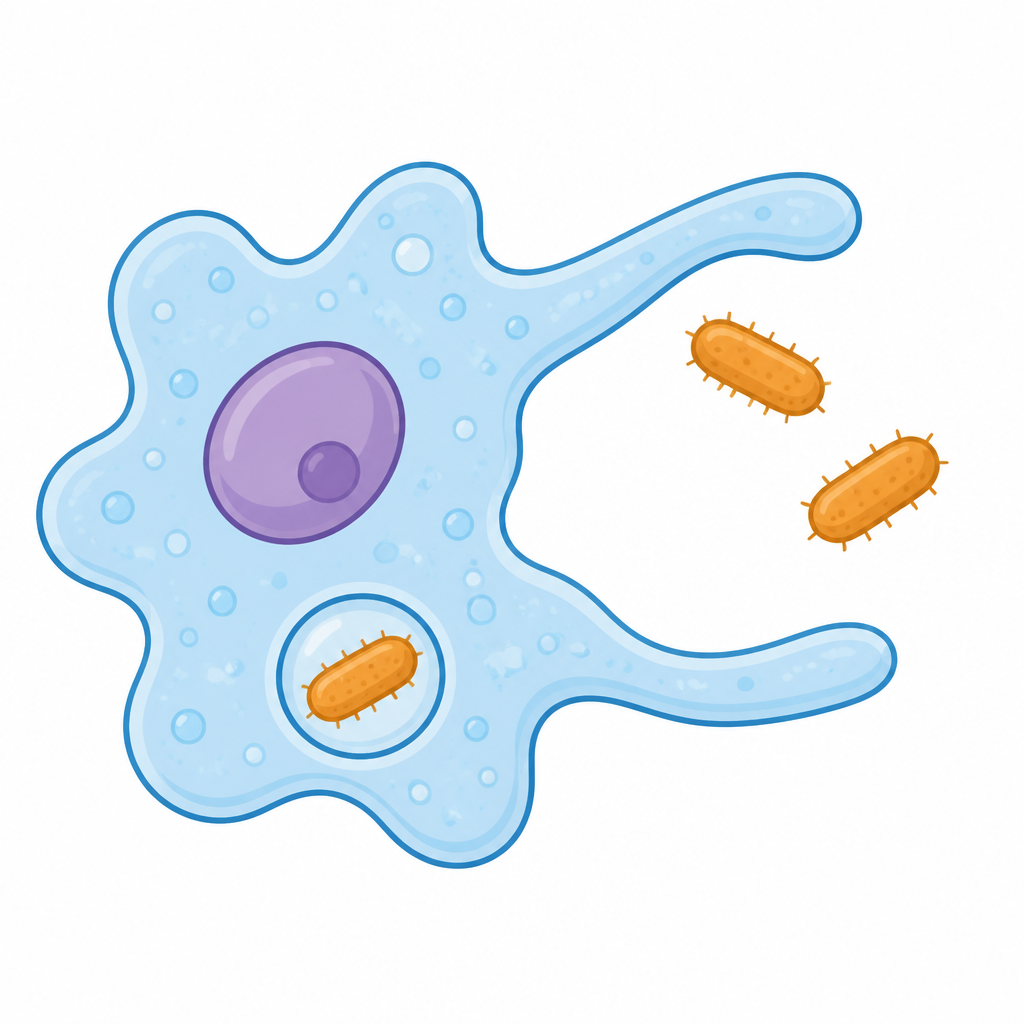
Some amoeba feed on bacteria. Bacteria are their food, and an amoeba swallows them to stay alive. Because of this habit, amoeba are put to work to keep the number of bacteria down. This is the first example of one microorganism being used to control another, and it is not the last one in this lesson.
Bacteria That Feed the Soil
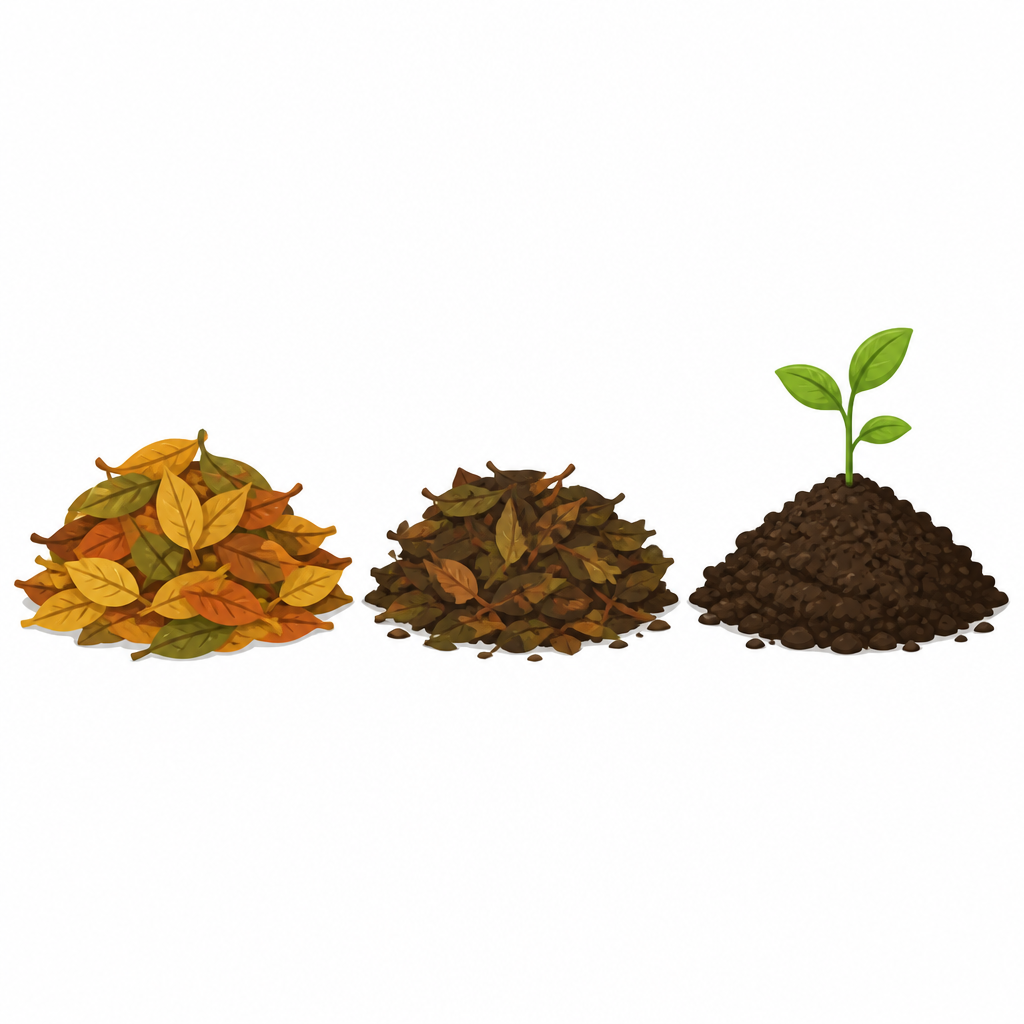
Most bacteria are decomposers. They rot the bodies of dead animals and plants, changing complex organic molecules into simple non living substances, and that is what makes soil fertile. Without this work, dead bodies and fallen leaves would simply pile up, and the nutrients locked inside them would never return to the soil for the next plant to use. Through this process decomposers keep the ecological system in balance. Nitrosomonas, Clostridium and Nitrobacter are examples of decomposer bacteria.
Decomposer: an organism that rots the bodies of dead animals and plants and turns complex organic molecules into simple non living substances that go back into the soil.
Rhizobium bacteria live in the nodules found on the roots of leguminous crops. They take nitrogen gas from the air and change it into nitrogen fertiliser, which raises the fertility of the soil. A plant cannot take nitrogen straight from the air, but these bacteria turn it into a form the plant can use. That is why a field that has grown beans, peas or lentils needs less fertiliser for the crop that follows.
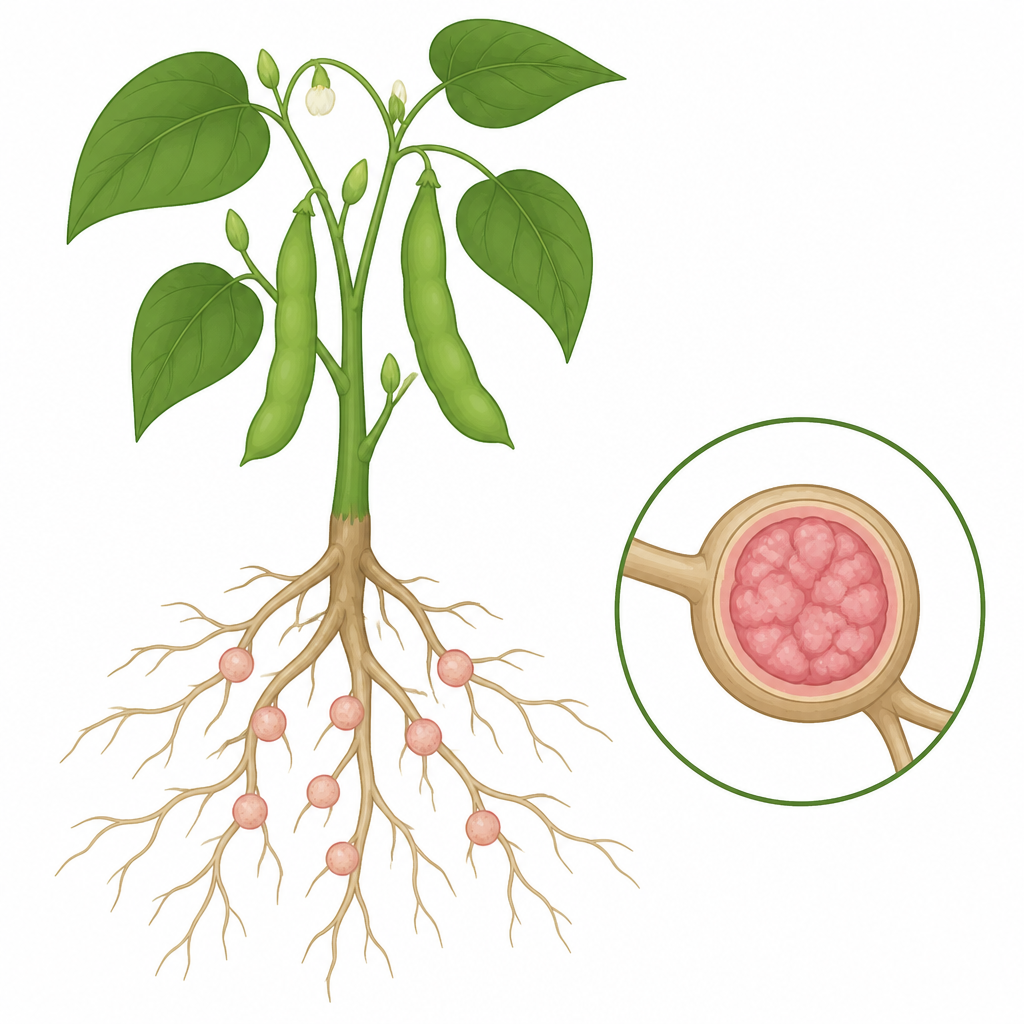
Do not mistake the nodules on a bean root for a disease or for damage done by insects. Those swellings are the sign of the plant and Rhizobium working together, and that is the very place where nitrogen fertiliser is made for the soil.
From Milk to Curd and Cheese
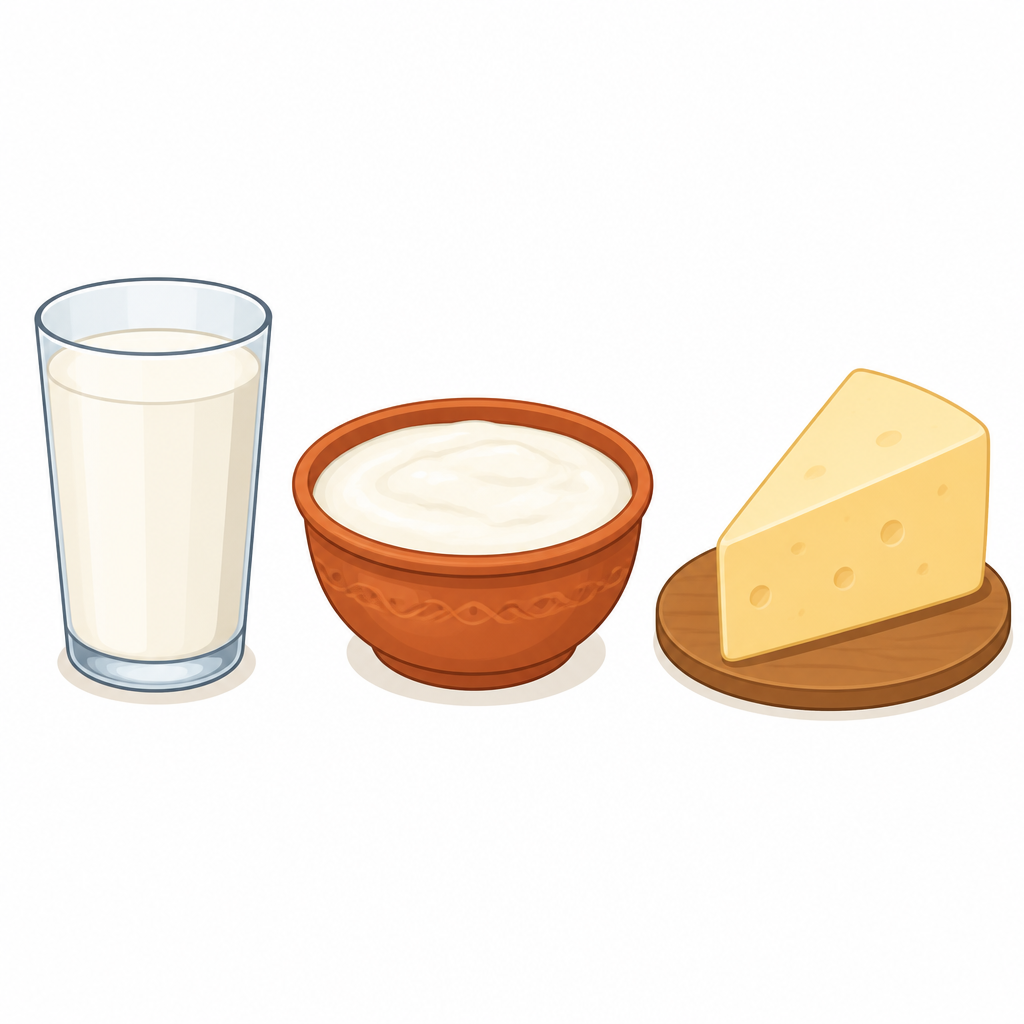
Bacteria such as Lactobacillus and Lactococcus are found in milk. They turn the sugar of the milk into acid, and the acid sets the milk into curd. This is exactly what happens at home when a spoonful of curd is stirred into warm milk and left overnight: the bacteria that came in on that spoonful spread through the whole pot. Streptococcus lactis helps in making cheese.
Microorganisms That Make Medicines
Bacteria and fungi are used to make the products of medical science. In a factory these microorganisms are grown at the right temperature with the right food, and the substance they produce is then purified and used as medicine. The products listed below are made in this way.
- Insulin, which a person with diabetes needs
- Antibiotics, which kill harmful bacteria inside the body
- Vaccines, which prepare the body before a disease ever arrives
- Vitamins, which the body needs regularly even in small amounts
- Antiseptics, which stop microorganisms from growing on a wound
- Antiserum, which helps the body fight a poison or a disease that has already entered it
Fermentation: The Work of Yeast
Yeast changes the carbohydrate, protein and other food substances it finds into acid and alcohol. This process is called fermentation. Distilleries and beverage industries use it to produce acid and alcohol.
Fermentation: the process in which yeast changes the carbohydrate, protein and other food substances present in a food into acid and alcohol.
In Nepal the traditional way of making local liquor uses marcha, a yeast cake that carries living yeast inside it. Yeast also plays its part, along with bacteria, in making gundruk and sinki, which are leaf vegetables and radish left to ferment and then dried, and in making pickles. Many everyday dishes in our kitchens are the result of microorganisms at work.
Marcha, a yeast cake: the small dried cake containing living yeast that is traditionally used in Nepal to ferment grain for local liquor.
Useful Work Done by Viruses
The bacteriophage is a virus that kills bacteria, so it is used to control diseases such as plague, dysentery and diarrhoea, and to clear the water pollution that bacteria cause. A virus, which we normally think of as something that makes us ill, is here being used to kill the bacteria that make us ill, which makes it useful both in treatment and in keeping water clean.
Bacteriophage: a virus that kills bacteria, used to control disease and to remove the water pollution caused by bacteria.
Viruses are used in genetic engineering, where genes are transferred, repaired and synthesised. A virus shows the properties of both living and non living things, and in the story of how life developed it is seen as a bridge between life and lifeless matter. For that reason it matters a great deal in scientific study and research.
Negative Effects
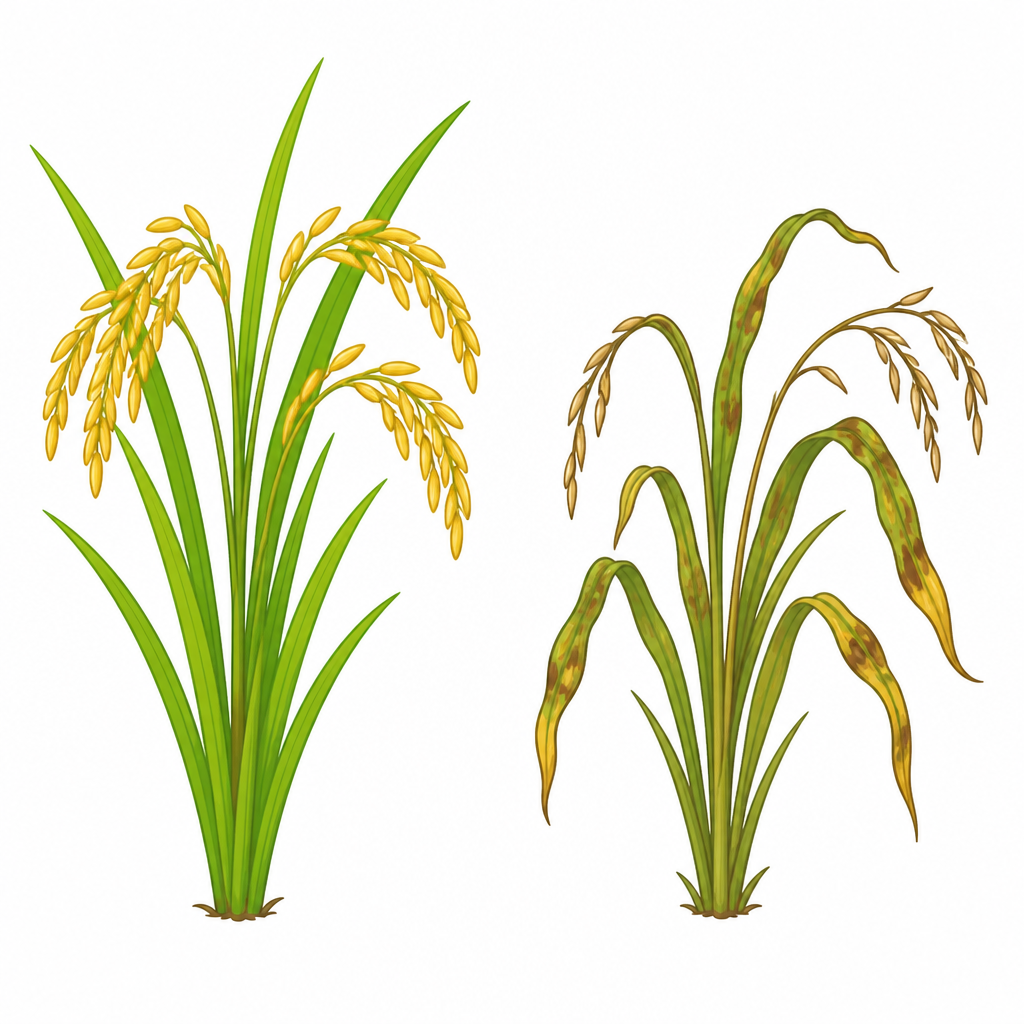
Microorganisms are the main cause of a great many diseases. They give disease to every kind of living thing, to human beings, to animals and to plants alike. When a food crop falls sick the harvest drops, and animal husbandry, poultry farming and fish farming suffer badly too. A single infection can wipe out a whole year of a farmer's work.
| Who suffers | Diseases |
| Human beings | T.B., pneumonia, AIDS, cholera and COVID 19, which spread as a world pandemic |
| Food crops and plants | Tobacco mosaic, common blight, and the crop diseases known in Nepali as dhan dadhuwa and kalipoke |
| Livestock, poultry and fish farming | Infection cuts production and can push the whole business into loss |
Food Poisoning
When fruit and food are left out in the open for a long time, microorganisms make them rot. In stale, rotten or spoiled fruit and food, the work of these microorganisms produces poisonous chemicals. Eating such food brings on the signs listed below.
- Loose motions
- Vomiting
- Fever
- Loss of water from the body
- A dry mouth
- Headache
Food poisoning: the harm that follows when a person eats food in which microorganisms have made poisonous chemicals. Clostridium, Norovirus, Salmonella, Giardia and Mucor are microorganisms that cause it.
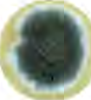
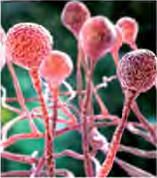
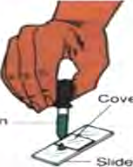
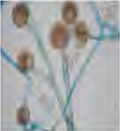
The mould that grows on stale bread, such as mucor, can be brushed onto a slide and looked at under a microscope. Then you see for yourself that the thing spoiling the food is not dust or dirt but a living fungus with a body of its own.
Never eat food that is stale, smelly or rotten. The poison microorganisms leave behind cannot be found by tasting a little or by smelling it, and even a small amount is enough to make a person ill.
Infection in Wounds and Sores
Where a person has a sore, a boil or an injury, bacteria and other microorganisms get in, and the infection makes the place swell and fester. Streptococcus bacteria are the usual cause of an infected, festering sore. Depending on how bad the infection is, the following care is needed.
- Take the advice of a health worker
- Clean the festering place with Dettol or Betadine
- Bandage it
- Take antibiotics if they are needed
- Keep up personal cleanliness so that sores do not appear in the first place
Do not buy antibiotics and take them on your own. Medicine taken without a health worker's advice may fail to cure the infection.
Damage to Stored Goods and the Environment
Microorganisms infect and damage stored fruit, vegetables, foodstuffs and farm produce. Grain kept in a store that turns damp grows fungus in the store itself and is no longer fit to eat. In the same way, rubbish and thrown away material rot because of microorganisms, and that pollutes the surroundings. Keeping a store dry and clean, and managing waste properly, are therefore jobs that follow directly from what microorganisms do.
The Effects at a Glance
| Microorganism | What it does | Effect |
| Rhizobium | Lives in root nodules of legumes and makes nitrogen fertiliser | Positive |
| Lactobacillus | Sets milk into curd | Positive |
| Yeast | Carries out fermentation to make acid and alcohol | Positive |
| Bacteriophage | Kills harmful bacteria | Positive |
| Salmonella | Makes poisonous chemicals in food | Negative |
| Streptococcus | Makes sores swell and fester | Negative |
| Mucor | Rots food | Negative |
The full lesson is waiting for you
The notes are free to read in full. A free account opens the rest of the practice, and tracks your progress and confidence score for every subject. Presentations and videos need approval from Learn Yeti.