The Variety of Living Things in Nature
Walk to school in the morning and you pass more kinds of life than you could easily count. Mustard is in flower at the edge of a field, a garden lizard suns itself on a wall, and a mushroom has pushed up through damp wood overnight. Every one of the six living things below is alive, yet at first sight almost nothing about them looks the same. Study each one carefully and ask yourself what they share and what they do not.
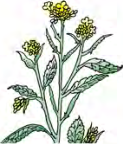
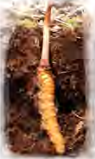
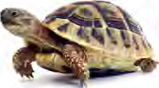


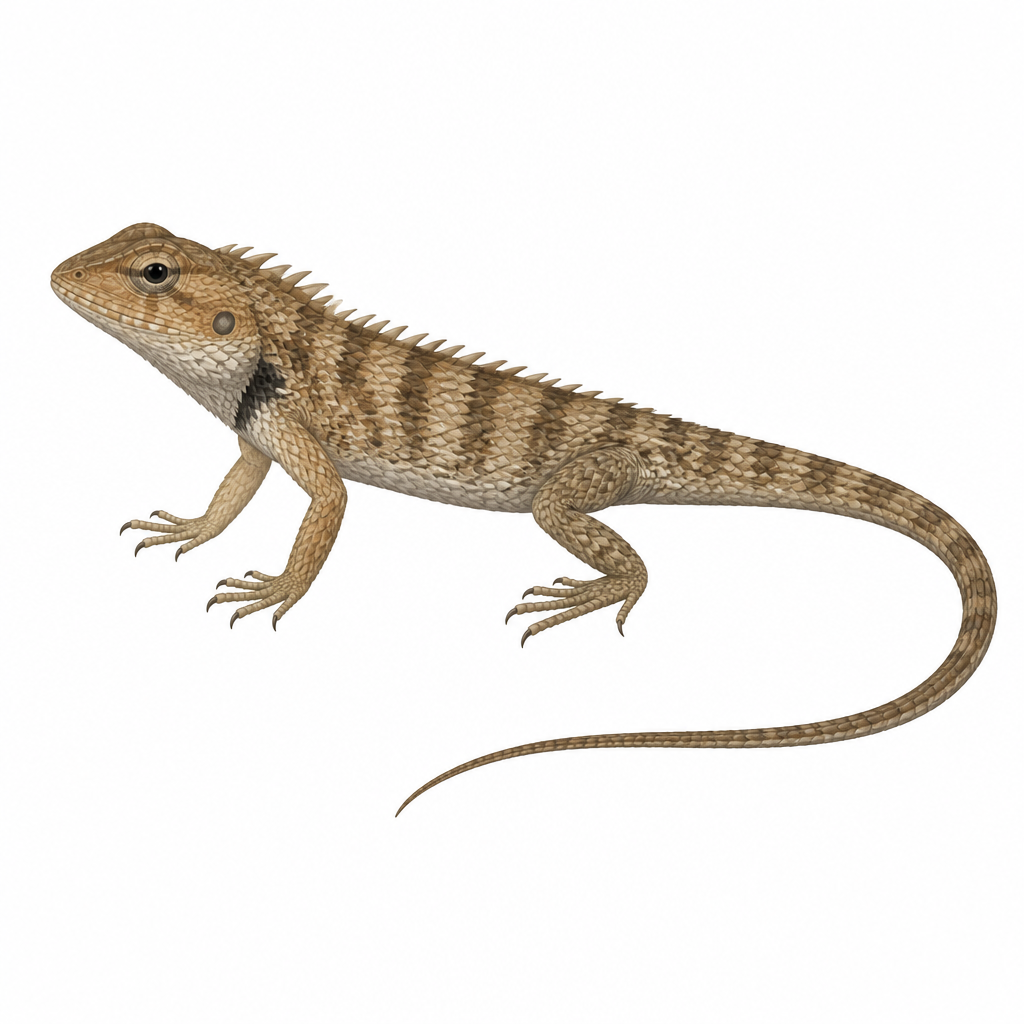
Having looked at all six, work through these three questions.
- (a) Pair up the living things above, two by two, putting together those that share features.
- (b) Which shared features did you use to make each pair?
- (c) Within each pair you made, which qualities are still unlike?
Most students put the mustard plant and the sunflower together, because both have roots, a stem, leaves and flowers, and both make their own food. The tortoise and the garden lizard form a second pair, because both move about and both eat food made by others. The mushroom and yarsagumba form a third pair, because neither carries green leaves and both take their food from decaying matter or from the body of another living thing. Differences survive inside every pair, though. The tortoise carries a hard shell on its back and the lizard does not, and the sunflower head is broad while a mustard flower is tiny.
Nature holds many different kinds of living things, and each kind has characteristics of its own. Their qualities differ on the grounds listed here.
- Habitat: some live in water, some in soil, some on trees and some inside the body of another living thing.
- Nutrition: some make their own food, others take food made by somebody else.
- Body structure: some are a single cell, others are built of millions of cells.
- Reproduction: giving birth, laying eggs, making seeds and splitting in two are all found.
- Behaviour: some live in groups and some alone, some are busy by day and others by night.
What Classification of Living Beings Means
Living things differ from one another, yet shared characteristics turn up again and again. A bat flies and a rabbit runs, so by their movement the two look nothing alike. Both, however, give birth to live young and raise those young on milk. That shared characteristic is enough to put a bat and a rabbit into one group. Grouping of this kind is done so that the scientific study and investigation of living beings becomes manageable, and it is always done on the basis of shared nature and shared characteristics.
Classification of living beings is the process of dividing living things, in a systematic order, into different groups on the basis of the qualities they share and the qualities they do not share.
Classification makes it easy to compare living things and to explain the natural relationships between them. Millions of kinds of living things share this planet, and nobody could ever study them one at a time. Once they are grouped, understanding one member of a group tells you a great deal about the rest of that group. When something new is found, it can be placed in a known group, and from that placing the work of investigating it can begin.
Classifying something does not change it. A mushroom is exactly the same mushroom before and after it is classified. Classification tidies up our study of living things, nothing more.
The Two Main Systems of Classification
Several systems of classifying living beings have come into use over time. Two of them matter most here: the two kingdom system and the five kingdom system. Each one begins by dividing all living things into a few very large groups, and the largest group of all is called a kingdom.
A kingdom is the largest group made when living beings are classified. Every living thing falls inside one kingdom or another.
| System | Number of kingdoms | Names of the kingdoms |
| Two kingdom system | 2 | Animal, Plant |
| Five kingdom system | 5 | Monera, Protista, Fungi, Plantae, Animalia |
The Two Kingdom System of Classification
The two kingdom system was proposed by Carolus Linnaeus, who developed it in 1735. Under this system every living thing on earth is placed in one of two kingdoms: the animal kingdom or the plant kingdom.
The two kingdom system is the system that classifies all living beings by dividing them, on the basis of their nature and characteristics, into two main kingdoms.
This system rests mainly on four things: nutrition, movement, growth and development, and reproduction. The table shows how those grounds separate the animal kingdom from the plant kingdom.
| Basis | Animal kingdom | Plant kingdom |
| Nutrition | Generally heterotrophic, they eat food made by others | Autotrophic, they make their own food |
| Movement | They can move about from place to place | They show no direct movement |
| Growth and development | The body grows only up to a fixed period of the life cycle | Growth continues all through life |
Reproduction is the fourth ground. Animals reproduce in ways of their own, and those ways do not match how members of the plant kingdom reproduce. So the decision about which kingdom a living thing belongs to is taken by looking at its way of reproducing as well as at its food and its movement.
Strengths and Weaknesses of the Two Kingdom System
This system was built a very long time ago, yet it has real strengths of its own.
- It separates every living thing clearly into animals and plants.
- It is the first classification system of all.
- It is simple, and animals and plants can be told apart using ordinary, easily seen qualities.
Once scientists began looking at cells through a microscope, it became clear that many living things simply would not fit. These are its main weaknesses.
- Living things that can photosynthesise and living things that cannot are put on the same branch, for example algae and fungi.
- Bacteria, whose cells are prokaryotic, and plants such as maize, whose cells are eukaryotic, are put in the same kingdom.
- Unicellular and multicellular living things are not separated at all.
- The system cannot accommodate living things such as lichens.
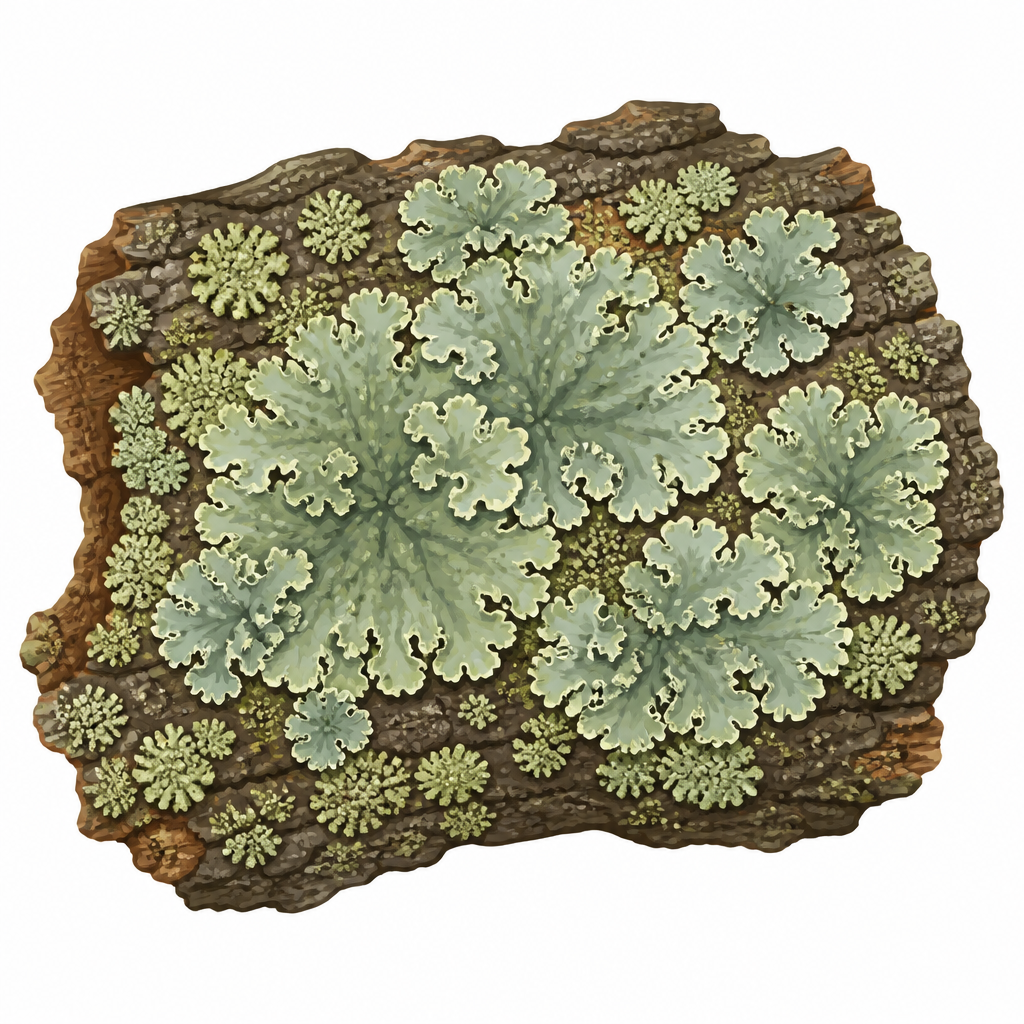
Many students call a mushroom a plant. It carries out no photosynthesis, so in the five kingdom system a mushroom belongs to the kingdom Fungi and never to Plantae.
The Five Kingdom System of Classification
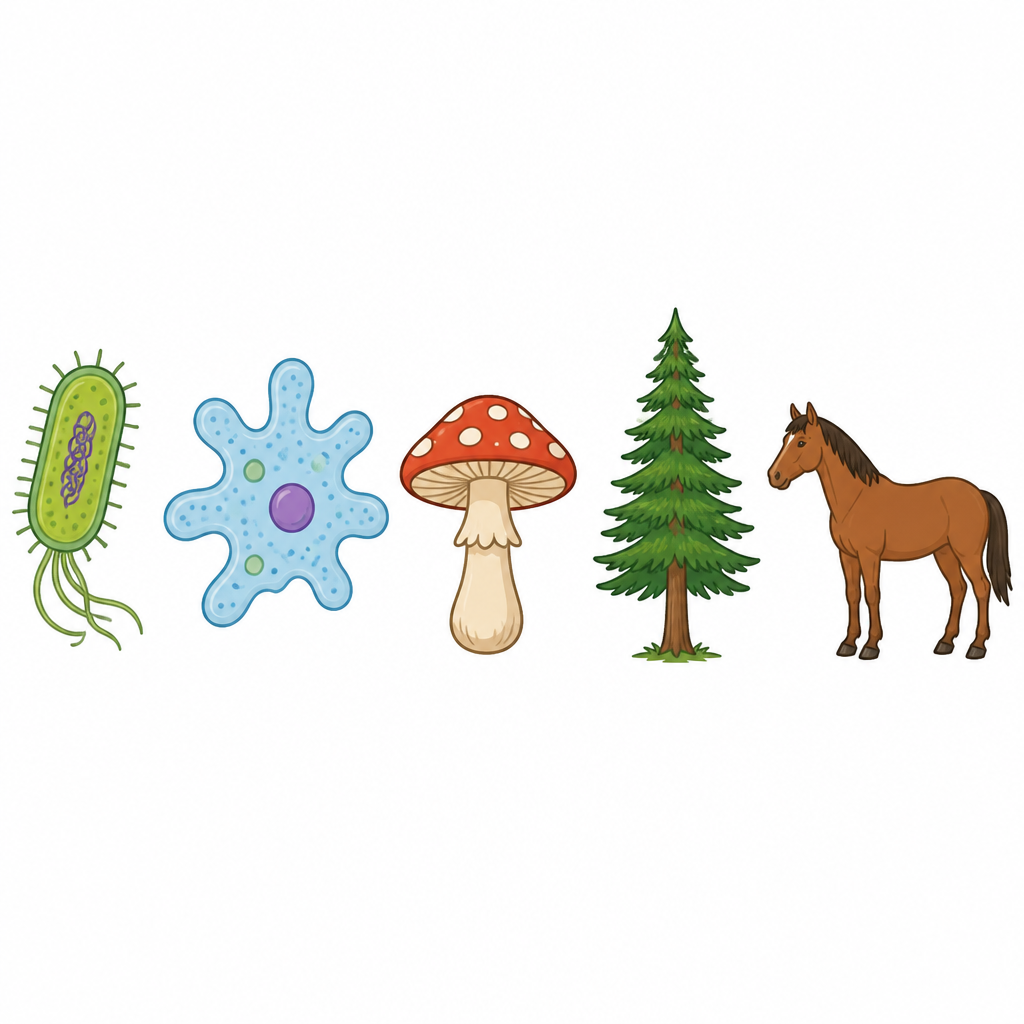
To repair the shortcomings of the two kingdom system, R.H. Whittaker developed this system in 1969, a full 234 years later. In it, living beings are placed in five kingdoms: Monera, Protista, Fungi or Mycota, Plantae and Animalia.
The five kingdom system is the classification system in which living beings are divided into five groups on the basis of their qualities and their nature.
| Kingdom | Which living things belong here | Examples |
| Monera | Those whose cells are prokaryotic | Bacteria |
| Protista | Unicellular eukaryotes | Amoeba, paramecium |
| Fungi | Multicellular eukaryotes that act as decomposers | Mushroom, mould |
| Plantae | Multicellular eukaryotes that act as producers | Pine, fern, mustard |
| Animalia | Multicellular eukaryotes that act as consumers | Horse, earthworm, sponge, insects |
Members of the kingdom Plantae are multicellular, their cells are eukaryotic, and they make their own food by photosynthesis. That is why they act as producers in an ecosystem. Conifer trees, broad leaved trees, ferns and mosses all sit in this one kingdom.
The Basis and the Strengths of the Five Kingdom System
When living beings are classified under the five kingdom system, five things are taken as the grounds for the decision.
- The type of cell, that is, whether it is prokaryotic or eukaryotic
- The body structure, that is, whether the body is unicellular or multicellular
- The method of nutrition, that is, whether it is autotrophic or heterotrophic
- The role played in the ecosystem, that is, producer, consumer or decomposer
- Evolution, arranging living things in order from the undeveloped to the developed
Following those grounds, prokaryotes are placed in Monera, unicellular eukaryotes in Protista, multicellular eukaryotic decomposers in Fungi, multicellular eukaryotic producers in Plantae, and multicellular eukaryotic consumers in Animalia.
Because it works this way, the system repairs much of what was wrong with the two kingdom system. Its strengths are these.
- Unicellular and multicellular living things are placed in separate kingdoms.
- Prokaryotes and eukaryotes are separated. Autotrophic and heterotrophic living things are shared out among Plantae, Animalia and Fungi.
- Producers are put in Plantae, consumers in Animalia and decomposers in Fungi. In this system living beings are also arranged in evolutionary order, running from the undeveloped to the developed.
The biggest improvement the five kingdom system brought is that it looks at the cell. The older system judged by what could be seen from outside; this one also asks what is inside the cell.
The Two Systems Side by Side
Both systems set out to do the same job, but they look at different things when they do it. The table puts them side by side.
| Point of comparison | Two kingdom system | Five kingdom system |
| Proposed by | Carolus Linnaeus | R.H. Whittaker |
| Year developed | 1735 | 1969 |
| Number of kingdoms | 2 | 5 |
| Main grounds | Nutrition, movement, growth and development, reproduction | Cell type, body structure, method of nutrition, ecological role, evolution |
| Prokaryotes and eukaryotes | Not separated | Separated |
| Unicellular and multicellular | Not separated | Separated |
| Where a mushroom goes | Along with the plants | In a kingdom of its own, Fungi |
This is the place where marks are most often lost. Linnaeus gave the two kingdom system in 1735 and Whittaker gave the five kingdom system in 1969. Learn each name together with its own year.
Sorting the Living Things Around You
To work out which kingdom a living thing belongs to, ask these questions in order.
- First question: is its cell prokaryotic? If it is, the living thing belongs to Monera.
- Second question: is the cell eukaryotic and the body just one cell? If so, it belongs to Protista.
- Third question: is the body multicellular, and does it take its food from decaying matter? If so, it belongs to Fungi.
- Fourth question: is the body multicellular, and does it make its own food? If so, it belongs to Plantae.
- Fifth question: is the body multicellular, and does it eat food made by others? If so, it belongs to Animalia.
Now take the six living things you looked at first and place each one under both systems. One thing shows up at once. The two kingdom system had no choice but to shelve the mushroom and yarsagumba with the plants, while the five kingdom system gives them a kingdom of their own.
| Living thing | Two kingdom system | Five kingdom system |
| Mustard plant | Plant kingdom | Plantae |
| Sunflower | Plant kingdom | Plantae |
| Tortoise | Animal kingdom | Animalia |
| Garden lizard | Animal kingdom | Animalia |
| Mushroom | Plant kingdom | Fungi |
| Yarsagumba | Plant kingdom | Fungi |
Now try it yourself. Collect twenty living things from around your house or your school, either as photographs or as the real thing, write down their names, and sort them under both systems. When you compare your list with a friend's, you may find that the two of you have placed some of them differently. Talk about why in class, because arguing out a difficult case is what fixes the grounds of classification in your mind.
Never pick a wild mushroom to eat and never taste one. Some of them are poisonous. A photograph is all you need for this work.
The full lesson is waiting for you
The notes are free to read in full. A free account opens the rest of the practice, and tracks your progress and confidence score for every subject. Presentations and videos need approval from Learn Yeti.