From the Socket to the Room Light
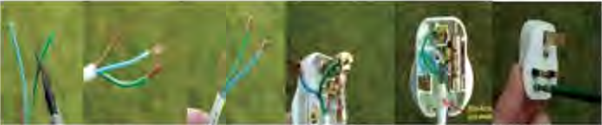
When a plug with its wires fixed under the screws is pushed into a socket, one appliance is joined to the house circuit. Inside the plug, one pin holds the phase or live wire, one holds the neutral wire and one holds the earth wire. Switch the socket on and current flows through that appliance; switch it off and the flow stops. This arrangement is enough to run a single appliance.
A house, however, does not have just one light. The kitchen, the bedroom, the study, the veranda and the staircase all need a bulb. Every room of a house needs a light, and they do not all have to burn at the same time. The study light may be on while the kitchen light is off. That everyday need decides how the lights of a house must be joined.
Bulbs Are Joined in Parallel
In a household electric circuit the bulbs are joined in parallel. The phase wire and the neutral wire are carried from the main switch through the whole house. For every bulb a separate pair of branch wires is taken from these two lines. Each bulb therefore receives current by its own path, and not through the path of any other bulb.
Parallel connection: a way of joining appliances in which each one sits on its own separate branch between the two supply wires, so that a break in one appliance's path does not break the path of the others.
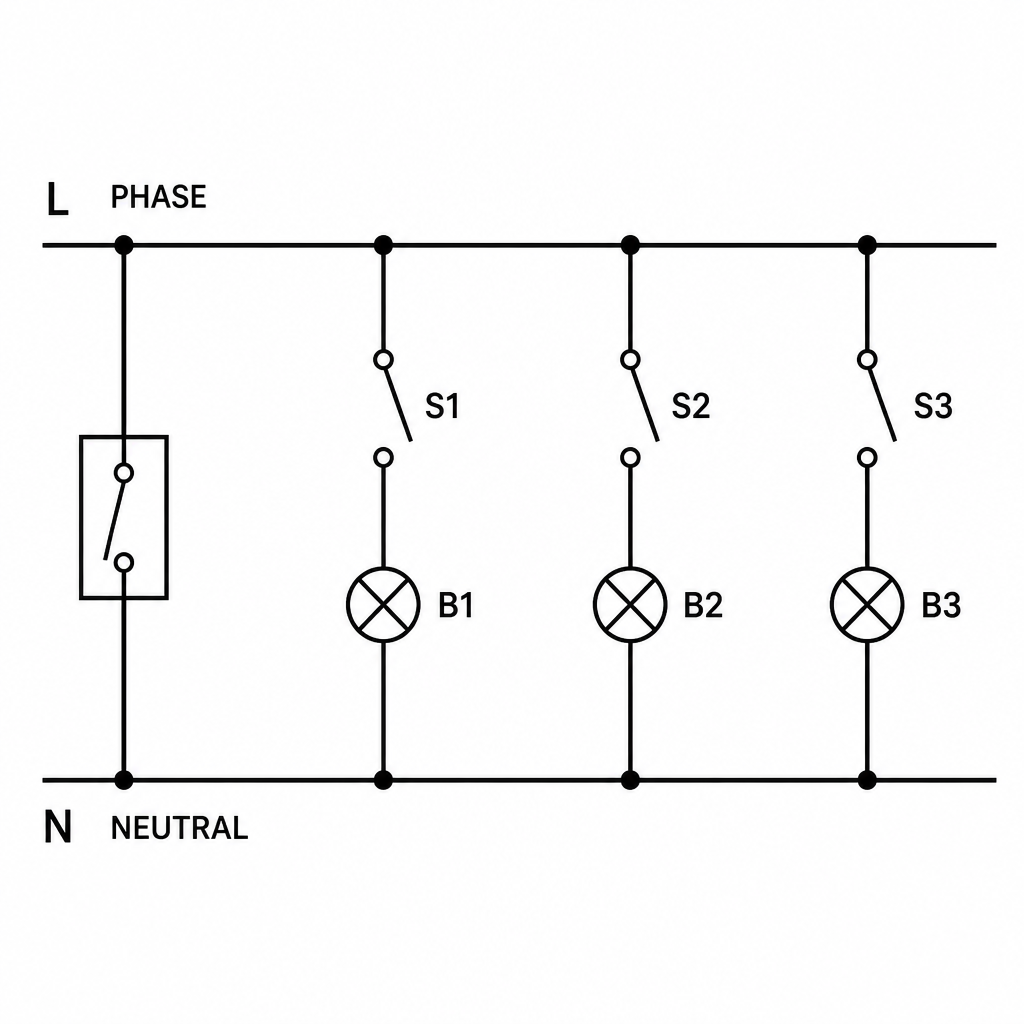
Joined this way, both ends of every bulb reach the supply wires directly. Each bulb therefore gets the full supply voltage, which in our homes is usually 220 V. Whether three bulbs are joined or ten, the voltage across any one of them stays the same. The current, on the other hand, divides among the branches and joins again on the neutral wire as it returns.
In a parallel connection every bulb gets the full voltage and draws current along its own path. That is why the rest of the bulbs keep burning just as before when one of them fuses.
A Switch of Its Own for Every Bulb
Because the bulbs sit on separate branches, each one can be controlled by a switch of its own. While wiring, a switch is placed on the branch of every bulb as the circuit is built. Turning the kitchen switch off puts out only the kitchen light, while the study light goes on burning. If a bulb has to be changed, that one switch is turned off and the rest of the house stays lit.
The switch is always joined on the phase or live wire, never on the neutral wire. A switch on the phase wire cuts the high potential wire away from the appliance the moment it is turned off. Changing a bulb or touching the holder is then free of the risk of a shock.
Never put the switch on the neutral wire. If you do, the live wire stays connected right up to the holder even when the switch is off, and a shock is possible while changing the bulb.
What If the Bulbs Were Joined in One Line?
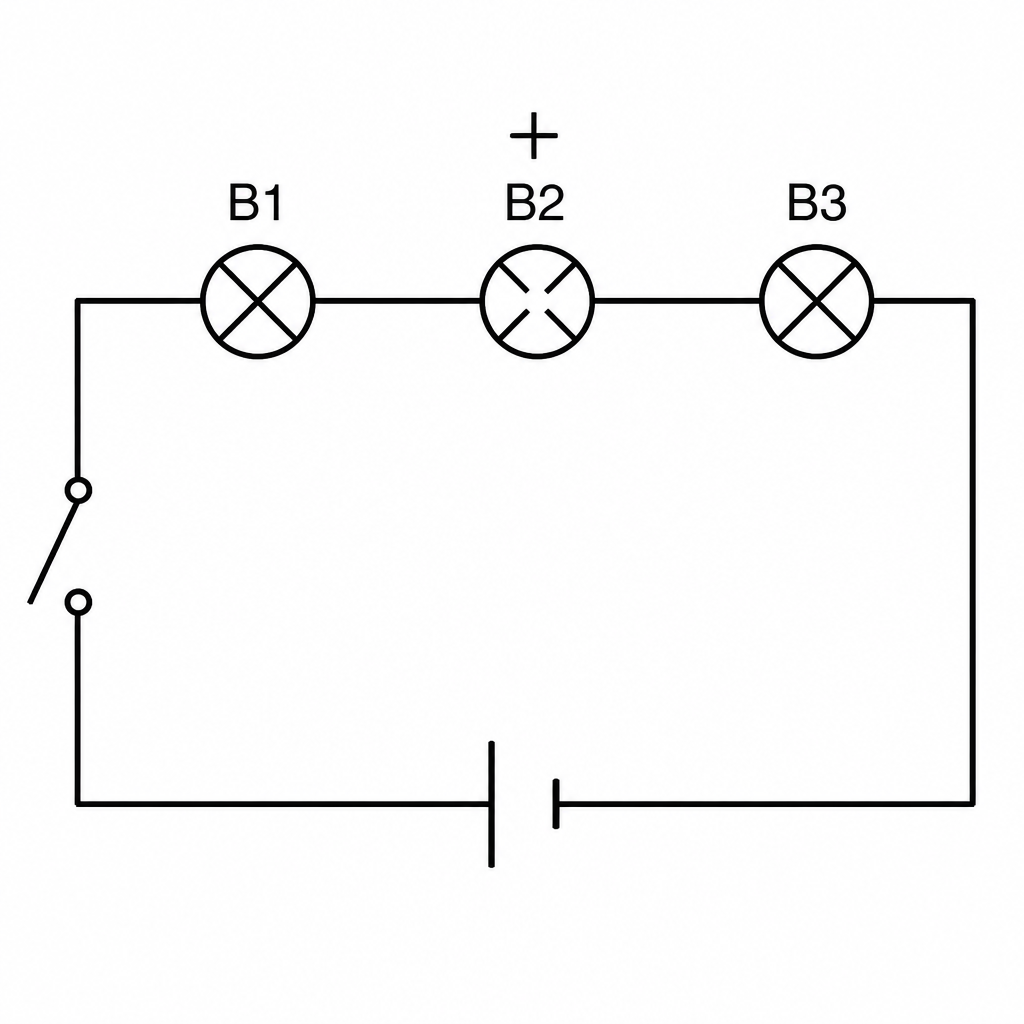
Series connection: a way of joining appliances one after another along a single path, so that the same current flows through all of them.
If three bulbs are joined one after another in a single line, there is only one path for the current. Should the filament of one bulb break, the path is broken and all three go out together. It also becomes hard to tell which bulb has failed. The supply voltage is shared among the three, so each one burns dimly. Since a single switch controls them all, putting out the light of one room would darken every room. For these reasons a series connection is not used for house wiring.
| Point | Parallel connection | Series connection |
| When one bulb fuses | The other bulbs keep burning | All the bulbs go out |
| Switch | Each bulb has its own | One switch for all |
| Voltage | Every bulb gets the full voltage | The voltage is shared among them |
| Brightness | All the bulbs burn equally | The bulbs burn dim |
| House wiring | This is the method used | This is not used |
Equal Light and a Longer Life
In a parallel connection the bulbs give an even light for a long time and last well. Since each bulb receives exactly the voltage it is made for, its filament neither overheats and snaps early nor starves and glows dim. Adding a new bulb in the house makes no difference to the old ones, because the new bulb draws current along its own branch. If one bulb fuses, only that one has to be replaced.
Points to Settle Before Wiring
Before the lighting circuit of a house is built, the following points are settled in a plan.
- Decide first how many bulbs each room needs, because every room of a house needs a light.
- Take a separate pair of branch wires from the phase and neutral lines for every bulb.
- Put one switch on the branch of every bulb, and place that switch on the phase wire.
- Start every branch from the main switch, so that the supply to the whole house can be cut off at once when needed.
- Tape every place where bare wire is left showing, and leave no joint loose.
Building a Parallel Circuit of Three Bulbs
Building the circuit yourself makes the working of a parallel connection clear. What is needed is a wooden electric board, holders, bulbs, wire, switches, a multiplug, a screwdriver, screws, pliers, a knife, black tape and a tester.
- With the teacher's help, sketch on the electric board the plan of three bulbs joined in parallel.
- Screw a holder tightly at each place the plan marks for a bulb.
- In the same way fix the switches and run the wires at the places the plan marks, and tape every spot where bare wire shows.
- Fit the bulbs into the holders, keep the switches off, and join the board's wiring to the multiplug.
- Test the socket with a tester, keep the socket board's switch off, and then push the multiplug in.
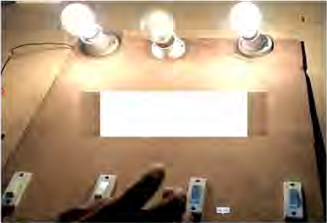
While joining the wires the multiplug must never be in the socket, and the switches must be kept off. Check for current only with a tester and never with your fingers on bare wire, and do this work only under your teacher's watch.
Now switch the socket board on and turn the switches of the electric board on and off one by one, watching which bulb lights and which does not. With the first switch on, only the first bulb burns and the other two stay dark. With all three switches on, all three bulbs burn equally. Even if one bulb is taken out of its holder, the other two go on burning as before. The conclusion is that in a parallel connection each bulb is controlled separately and the state of one does not affect the others.
The full lesson is waiting for you
The notes are free to read in full. A free account opens the rest of the practice, and tracks your progress and confidence score for every subject. Presentations and videos need approval from Learn Yeti.