Plants That Heal
When someone in a Nepali home has a sore throat, a small cut or an upset stomach, the first place people often look is not a pharmacy but the garden. A grandmother boils tulsi leaves in water for a cough. Someone rubs the cool gel of an aloe vera leaf on a burn. Plants like these have been used as home remedies for many generations. Their leaves, roots, stems, flowers and seeds are also collected as raw materials by factories and Ayurvedic workshops that make medicines.
Medicinal plants: plants whose parts are used as home remedies for ailments, or as raw materials for making different types of medicines.
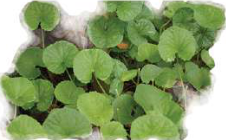
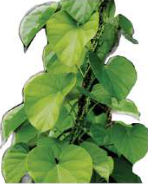
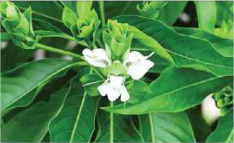
Look at the three plants below. The first grows low and spreads its round leaves over the ground. The second climbs up other plants and has large heart-shaped leaves. The third is a leafy shrub with white flowers. All three grow in Nepal and all three are medicinal plants: Asiatic pennywort (Ghod tapre), heart-leaved moonseed (Gurjo) and Malabar nut (Asuro).
Medicinal Plants in Nepal
Nepal is a small country, but its variety of plants is remarkable. According to the Department of Plant Resources, more than 7000 kinds of flowering plants are found in Nepal. Of these, more than 700 species have been identified as medicinal plants and are used as medicine. The highest number of medicinal plants has been identified in the Karnali region.
Nepal has more than 7000 flowering plants, and more than 700 species among them are medicinal. The Karnali region has the highest number identified.
Malabar nut (Asuro), Asiatic pennywort (Ghod tapre), aloe vera (Ghiu kumari), holy basil (Tulsi) and neem are common medicinal plants found in many parts of Nepal. The sections below describe ten medicinal species one by one. For each, learn four things: its scientific name, where it grows, what it looks like and what it is used for. A scientific name is the same all over the world, which is why it is written in Latin.
Holy Basil (Tulsi)
The scientific name of holy basil, or tulsi, is Ocimum tenuiflorum. It is a multipurpose medicinal plant found all over the world. It is important from a religious point of view, which is why so many Nepali courtyards have a tulsi plant growing on a raised stand. Tulsi is known to produce more oxygen. For this reason, by tradition, people who have reached the end of their life are kept near a tulsi plant to make up for the lack of oxygen.
Every part of tulsi is useful. The leaf, shoot, flower, root and seeds can all be used as medicine. Tulsi is added to various dishes as a spice and is also put in tea. Consuming it stimulates the appetite and helps food digest actively and smoothly.
Antimicrobial property: the ability of a substance to destroy harmful microorganisms that affect humans and animals, or to stop them from growing.
Tulsi has an antimicrobial property, so it is used for disinfection, for purifying water and for gargling. In rural areas, when someone has throat pain, a cold or an infection, tulsi leaves are boiled in water and the water is drunk.
Neem
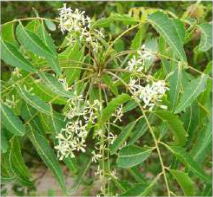
The scientific name of neem is Azadirachta indica. It is a tall tree. All its parts, the leaves, root, stem, flower and fruit, are used to make a variety of Ayurvedic medicines. Anyone who has tasted a neem leaf knows its best-known quality: every part is extremely bitter.
Neem juice is very useful for skin-related health problems. During chickenpox, a paste of neem powder is applied to the affected skin and neem leaves are spread on the bed, because the antimicrobial property of neem fights the germs. Neem is also known as a natural purifier of blood. It destroys and reduces bad cholesterol in the body, and neem juice is taken to lower high blood pressure.
Neem lowers blood pressure. Drinking too much neem juice can drop the blood pressure extremely low and lead to complications.
Heart-leaved Moonseed (Gurjo)
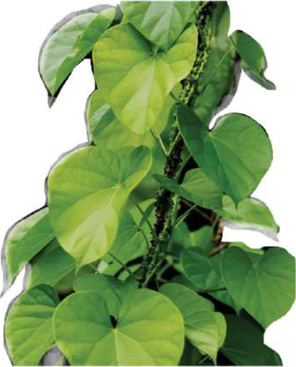
The scientific name of heart-leaved moonseed, or gurjo, is Tinospora cordifolia. Its leaves are shaped like a heart, which gives it its English name. Gurjo is a climbing shrub. It cannot stand up on its own, so it grows by taking the support of other plants. A new plant can be grown from a piece of its stem. Gurjo is found from the terai region to the Himalayan region of Nepal, and it grows in most of the nurseries and forests of the country.
Gurjo boosts the immunity of the body, so it helps to prevent infections. It is a multipurpose medicinal plant with antioxidant properties. Taken in the right amount, it has no negative effect on the body.
Taking too much gurjo lowers the sugar level in the blood.
Asiatic Pennywort (Ghod tapre)
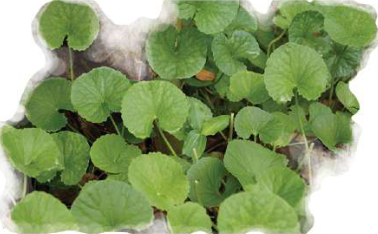
The scientific name of Asiatic pennywort, or ghod tapre, is Centella asiatica. It is found in tropical places. It is a herbaceous plant with a slightly aromatic smell. It does not stand upright. Instead it creeps along the ground, and in swampy, shady places such as paddy fields and the banks of streams its small round leaves spread out like a green carpet. Ghod tapre is a perennial plant, which means it lives for more than two years.
Perennial plant: a plant that lives for more than two years.
Herb (herbaceous plant): a small plant whose stem is soft and green rather than hard and woody.
All parts of ghod tapre can be used for medicine. It has antimicrobial and antioxidant properties. It is neuroprotective, meaning it helps protect the nerves and brain, so regular consumption improves mental capacity and memory power. It works against stress and relieves depression and anxiety. Since ancient times it has been used as a medicine for the common cold. Its fresh flower is crushed into a paste and applied to burnt skin and wounds, and this paste is believed to treat skin problems. Ghod tapre is a raw material for making various medicines, and it is also used to make cosmetics such as skin care cream and skin toner.
Turmeric
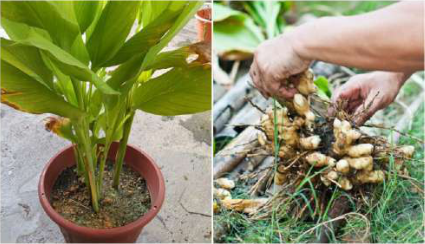
The scientific name of turmeric is Curcuma longa. It is the source of the yellow powder found in almost every kitchen. Turmeric is also a perennial herb. Its stem does not stay above the ground as most stems do. It is modified into an underground rhizome, and this knobbly yellow rhizome is the part that is dug up, dried and ground into powder.
Rhizome: a modified, root-like stem that grows underground, usually sideways, and stores food.
Turmeric contains an organic chemical called curcumin. Curcumin makes turmeric yellow, and the presence of curcumin is also what makes turmeric medicinal. Turmeric is rich in vitamins A, B, B2 and C, and it contains minerals such as calcium, phosphorus and iron. It has been cultivated in Nepal since ancient times. It is used in these ways:
- Its antimicrobial property kills harmful microorganisms in our food, while it makes the food spicy and attractive.
- Eating it strengthens the body's immunity.
- It helps to destroy toxins in the body.
- It is used in the treatment of leprosy and scabies.
- It helps to prevent respiratory diseases and heart-related diseases.
- It is used to make cosmetics and as a natural dye for colouring various materials.
Malabar Nut (Asuro)
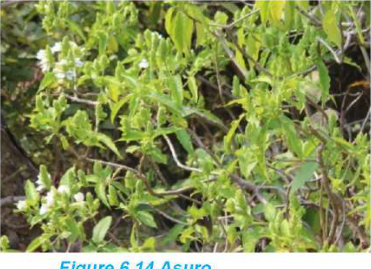
The scientific name of Malabar nut, or asuro, is Adhatoda vasica. It is a medium-sized shrub found from the Chure range up to the Mahabharat range. The plant is full of medicinal properties because it contains chemicals such as vasicine, vasicinone and hydroxyl vasicine. Because of these chemicals, asuro is used to treat respiratory ailments, the illnesses of the nose, throat and lungs. Its other uses are:
- The juice of its flower and leaf helps to clear mucus from the lungs and respiratory tract, and helps to widen the respiratory pathways.
- It can be used in tea to get relief from the common cold.
- Its leaves are boiled in water, and the water is used to gargle for teeth and gum ailments.
- Because of its antimicrobial property, consuming it prevents various infections.
- Its flower is used as medicine for a burning sensation in the urinary tract.
- Farmers cut it down to make manure for their fields.
Calamus (Bojo)
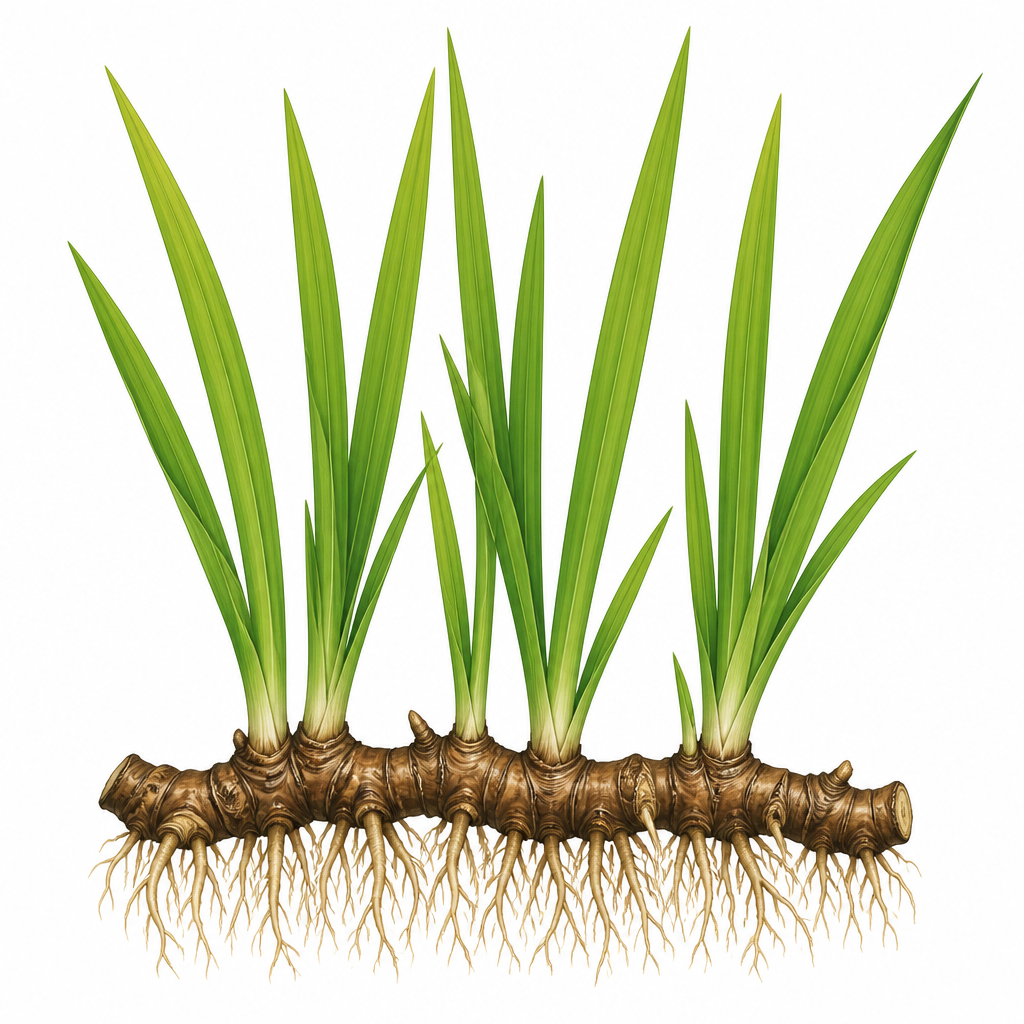
The scientific name of calamus, or bojo, is Acorus calamus. It is an erect herb, and its parts are aromatic. It grows on swampy land and on the banks of ponds and ditches, and it grows easily without any care from people. Its leaves are long and narrow, shaped like swords. At the base of the leaves lies a modified root-like structure called a rhizome. This rhizome is the part of bojo used as traditional medicine.
Bojo is beneficial for throat-related health disorders. It is also used to relieve pain and to treat an upset stomach.
Using too much bojo causes nose bleeding.
Caterpillar Fungus (Yarsagumba)
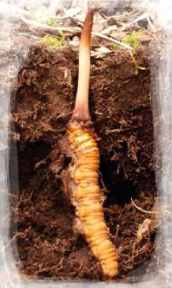
The scientific name of caterpillar fungus, called yarsagumba or yarchagumba, is Cordyceps sinensis. It is not really a plant. It belongs to the fungi group, and it is counted among Nepal's medicinal herbs because it is used in medicine. It is found in snow-covered grasslands at a height of 3000 to 5000 metres above sea level. It is a long, white or brown fungus, about 5 to 8 cm long, that grows on the body of a caterpillar.
Yarsagumba reproduces by spores. Spores are tiny reproductive cells of a fungus that float in the air. A fungus spreads through fine thread-like strands called hyphae. One yarsagumba forms like this:
- Many spores spread into the air from an old yarsagumba on the land.
- The spores stick to the body of a caterpillar, the larva of a particular insect of the butterfly group.
- The spores germinate inside the body of the larva.
- Hyphae of the fungus spread through the larva's body in search of food.
- The caterpillar can move for some time, but it becomes limp and weak once the hyphae have spread widely.
- Finally, the larva dies under the soil.
- The fungus takes nutrients from the dead body of the caterpillar and grows upward.
This is why a yarsagumba has two parts: the upper part is the fungus and the lower part is the caterpillar. In winter it looks like an insect in which the fungus is fully developed. In the rainy season, when the snow melts, the fungus completely mummifies the dead insect. The fungus has no root, stem, leaf, flower or fruit.
Yarsagumba is used to make medicine in Ayurveda. Consumed with honey or milk, it acts as an energy booster. It is rare, and its collection, use, sale and export are prohibited by the government.
Yarsagumba is a fungus, not a plant. Its upper part is the fungus and its lower part is the dead caterpillar.
Mugwort (Tite paati)
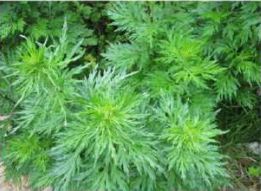
Mugwort, or tite paati, is a medicinal plant that belongs to the category of herbs. Its scientific name is Artemisia vulgaris. It is found in the mid-hill region of Nepal, though in general this herb grows almost everywhere. It is used to produce various cosmetics, perfumes and organic pesticides, and nowadays scented oil is also extracted from it. Farmers use it as grass too: they cut and dry it to make bedding, called litter, for their cattle.
Aloe Vera (Ghiu kumari)
The scientific name of aloe vera, or ghiu kumari, is Aloe vera. It generally grows in dry places. Its leaves are thick, fleshy and serrated. The plant stores food and water in its leaves, and the water collected in the leaf is like a gel. This gel is used as a remedy for various ailments. In Ayurveda, ghiu kumari is even called "Sanjivani", the plant that restores life. It is rich in vitamins A and C, which human beings need.
- Drinking aloe vera juice regularly is beneficial for problems of the abdomen, bone joints and skin.
- Gel applied to the skin gives relief from cracked skin and sunburn.
- It keeps moisture in the skin and makes it glow.
- It does not allow pimples, dandruff and similar problems to occur.
- Applied to the hair, the gel makes hair shiny and strengthens its roots.
- Applied to a burned area, it helps the wound heal faster.
Ten Medicinal Plants Side by Side
| Plant | Scientific name | Main uses |
| Holy basil (Tulsi) | Ocimum tenuiflorum | Throat pain, cold, digestion, disinfection |
| Neem | Azadirachta indica | Skin problems, blood purifier, high blood pressure |
| Heart-leaved moonseed (Gurjo) | Tinospora cordifolia | Immunity, preventing infection |
| Asiatic pennywort (Ghod tapre) | Centella asiatica | Memory, stress, cold, burns and wounds |
| Turmeric | Curcuma longa | Immunity, scabies, leprosy, natural dye |
| Malabar nut (Asuro) | Adhatoda vasica | Respiratory ailments, teeth and gums |
| Calamus (Bojo) | Acorus calamus | Throat disorders, pain, upset stomach |
| Caterpillar fungus (Yarsagumba) | Cordyceps sinensis | Energy booster in Ayurveda |
| Mugwort (Tite paati) | Artemisia vulgaris | Cosmetics, perfumes, organic pesticides |
| Aloe vera (Ghiu kumari) | Aloe vera | Skin, hair, burns, abdomen |
Using and Protecting Medicinal Plants
Medicinal plants grow close to us, cost little, and our elders already know a great deal about using them. But as neem, gurjo and bojo show, even a helpful plant can harm when too much is taken. The right part, the right amount and the right way of using each plant must be known. That is why further study and research are needed on the correct use of such plants, their market management, their proper and sustainable use, and the use of our traditional knowledge and skills.
Growing medicinal plants on a commercial basis brings many benefits. Farmers earn an income, medicine industries get raw materials from inside the country, and exports can bring foreign currency. When cultivation meets the demand, there is also less pressure on the wild plants in the forests.
Too much collection, the loss of forests and climate change are reducing some medicinal plants, and rare species such as yarsagumba show how easily a useful species can become scarce. Planting medicinal plants at home and at school, collecting only as much as is needed, leaving roots in the ground so that plants can grow again, and training local people to process herbs all help to protect them.
Medicinal plants are valuable, but they must be identified correctly, used in the right amount and harvested in a way that lets them survive.
The full lesson is waiting for you
The notes are free to read in full. A free account opens the rest of the practice, and tracks your progress and confidence score for every subject. Presentations and videos need approval from Learn Yeti.