How climate change is already felt in Nepal
Over the past few decades the temperature of the atmosphere has been rising. A warmer atmosphere does not only make the days hotter. It upsets the whole pattern of rain, snow and seasons, and this brings climate-related disasters. Some places get extreme rainfall, some get no rainfall at all, and some suffer long drought. In Nepal these disasters have hit the Himalayan range and its glaciers hardest, along with the ecosystems that depend on them. The rivers, forests, farms and villages below the mountains all rely on those glaciers.
As the earth warms, the snow in the mountains melts quickly. The meltwater gathers at the foot of the glaciers, so the glacial lakes are growing larger. A glacial lake is held back by a loose wall of rock, sand and ice that the glacier left behind. If the lake grows too big, or an avalanche falls into it, the wall can give way and the whole lake pours down the valley at once. The risk of such a glacial lake outburst is increasing in Nepal every year.
Glacial lake outburst: the sudden bursting of the loose wall that holds a glacial lake, so that the lake's water rushes down the valley all at once and causes a sudden, severe flood below.
The harm done by climate change is felt directly in these areas that people's livelihoods depend on:
- forests and biodiversity
- energy sources
- human health
- tourism
- housing
- infrastructure development
For example, when a flood sweeps away a hydropower project, electricity stops being produced. When a landslide blocks a trekking trail or a road, tourists stop coming. When a forest fire burns a forest, the animals living there lose their home. Climate-related disasters such as floods, landslides and forest fires destroy a large amount of property every year. The main effects of climate change can be understood under five headings.
Every effect of climate change traces back to one root: extra greenhouse gases in the atmosphere raising the temperature of the earth.
Drought and floods
Climate change alters how much rain falls in different places and when it falls. Rain that once came steadily through the monsoon may now stay away for weeks, or pour down in a few days. So some areas face the possibility of drought, while others face floods caused by excess rainfall.
Picture a farmer in the terai waiting for monsoon rain to plant paddy. The rain does not come and the field cracks open. In the same year, another district gets very heavy rain in a short time, the river overflows and washes away a crop that was nearly ripe. In both places agricultural production falls. If harvests keep falling year after year, the risk of a food crisis in the future increases.
Rising sea level
When the atmosphere holds an excess amount of greenhouse gases, it keeps more heat near the earth. The temperature of the atmosphere rises and the climate changes. This overall rise in the temperature of the earth has its own name.
Global warming: the overall rise in the temperature of the earth, caused by an excess of greenhouse gases in the atmosphere.
Global warming raises the sea level in two ways:
- As the temperature rises, the seawater itself warms and expands, so the volume of seawater increases.
- The heat melts snow and ice, and that water flows down to the sea, raising the sea level further.
As the sea rises, water reaches the top of coasts and islands. Plants, animals and their habitats there are destroyed, and the homes, fields and work of local communities along the coast are affected. Nepal has no sea, but the snow that melts in its Himalaya flows through its rivers all the way to the sea. So melting snow in Nepal is also part of the world's rising sea level.
Melting ice is not the only reason the sea rises. Warm seawater expands on its own, and that is an equally important cause. Give both reasons in an answer.
Effects on biodiversity
When climate change raises the earth's temperature, the life processes of organisms living on land and in the seas change. This affects their growth, their development and the working of their bodies, which is their physiology. Plant and animal species on land and in the sea had become adapted to their surroundings, and climate change disturbs that adaptation too. As a result, the risk of those organisms becoming extinct increases.
Two examples make this clearer. Some plants in the hills now flower earlier than they used to. If the insects that carry their pollen have not yet come out, fewer seeds are formed. The snow leopard lives in the cold of the high mountains. As it warms, it can move higher, but a mountain has a top, and in time there is no colder place left for it to go.
Harm to human health
Climate change harms many parts of the environment, such as air, water, soil and food. People depend on all of these, so human health is affected too. Climate change causes health hazards in humans such as skin diseases, mental illnesses and nutritional deficiencies.
Think about how these are linked. Stronger heat and harsher sunshine make skin problems more common. A family that loses its home and fields in a flood or landslide may live with worry and stress for a long time, and this damages mental health. When drought or flood destroys the crops, people do not get enough nourishing food, and nutritional deficiency follows.
Change in weather
Climate change has also changed the weather. Heavy rainfall now comes in seasons other than the rainy season, and sometimes there is drought during the rainy season itself. This hits farming directly. Rain does not come when the crops need it, and it pours when they do not. Crops such as millet and maize, which grow well with little water, are also spoiled when too much rain falls on them.
The five effects side by side
| Effect | What happens | What it leads to |
| Drought and floods | The pattern of rainfall changes: too little in some places, too much in others | Less farm produce and a risk of food crisis |
| Rising sea level | Seawater expands and meltwater is added | Coasts and islands flooded, habitats and communities harmed |
| Effects on biodiversity | Life processes and adaptation are disturbed | Higher risk of extinction |
| Harm to health | Parts of the environment are damaged | Skin diseases, mental illnesses, nutritional deficiencies |
| Change in weather | Rain out of season, drought in the rainy season | Farming is disrupted |
Measures to control climate change
The government of Nepal has formulated policies and programs to manage the adverse effects and risks of climate change. According to the Environmental Protection Act 2076, the government of Nepal, the provincial governments, the local levels, other public bodies and the private sector can issue necessary orders by publishing notices in the Nepal Gazette about the measures to be adopted to mitigate these effects and risks. To mitigate means to make the harm smaller.
A law on its own is not enough. Because climate change is causing so much harm on the earth, measures to reduce it must actually be put into practice. There are three main measures: reducing carbon emission, giving emphasis to carbon storage, and spreading public awareness so that behaviour changes.
Reducing carbon emission
Carbon emission: the release of carbon dioxide and other carbon-containing gases into the atmosphere, mainly by burning fuels.
Global warming is increasing because of the excessive emission of carbon. So climate change can be controlled by reducing the amount of carbon emitted. For this, energy efficiency should be improved, which means using machines and methods that do the same work with less energy. Emphasis should be given to the careful use and conservation of energy resources. Priority should be given to alternative energy sources such as solar energy and wind energy in transportation. This reduces both fossil fuel consumption and carbon emission.
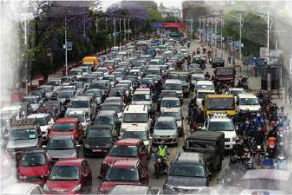
Alternative energy source: a source of energy that can be used in place of fossil fuels and releases little or no carbon, such as solar energy and wind energy.
This can start at home. Switching off lights when nobody is in the room, using LED bulbs that draw less electricity, and heating water with a solar water heater are small but real examples of energy efficiency.
Carbon storage in plants
Green plants use carbon dioxide to prepare their food and release oxygen into the environment, which every organism needs. The carbon a plant takes in is built into its leaves, branches, trunk and roots and stays there. The more trees there are, and the larger they grow, the more carbon is taken out of the atmosphere and locked away.
Carbon storage: keeping carbon from the atmosphere locked up for a long time, for example in the bodies of plants.
So emphasis should be given to conserving forest resources through plantation and the conservation of trees. In this way more carbon is stored within plants, which helps to minimise climate change. Nepal's community forests are a good example, where villagers work together to protect a forest and plant new trees. The opposite also holds. When a forest is cut down, the carbon locked in its trees escapes again, and no plants are left to take in more.
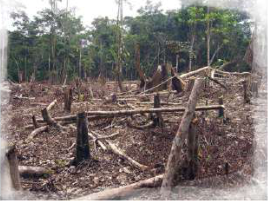
Public awareness and change in behaviour
If we make our activities more environmentally friendly, we can minimise climate change. We should make our own habits environmentally friendly and also take part in making the public aware. One person's change of habit seems small, but when a whole school, neighbourhood or city changes together, the effect is large.
Some environmentally friendly habits a student can take up:
- Walk or cycle for short trips, and use public transport for longer ones.
- Switch off lights, fans and the television when they are not in use.
- Do not burn plastic or rubbish, and turn food waste into compost.
- Plant trees around the school and home, and look after them as they grow.
- Tell family and neighbours about climate change through posters, drawing exhibitions and discussions.
The three measures work together: put less carbon into the air, lock more carbon away in plants, and make everyone aware enough to do both.
The full lesson is waiting for you
The notes are free to read in full. A free account opens the rest of the practice, and tracks your progress and confidence score for every subject. Presentations and videos need approval from Learn Yeti.