Pollution and What It Does to Living Things
Every living thing needs clean air, clean water and healthy soil to survive. When harmful substances get into these parts of the environment and lower their quality, the environment becomes polluted. Breathing polluted air, drinking polluted water and growing food in polluted soil make survival hard for humans, animals and plants alike. Living things depend on one another and on their surroundings, so when one part is spoiled, the balance of the whole ecosystem is disturbed.
Environmental pollution: the degradation in quality of the components of the environment, such as air, water and soil, which causes trouble for humans and all living beings in their survival and creates imbalance in the ecosystem.
Chemical pollution: pollution caused when chemicals such as pesticides, chemical fertilizers and industrial materials reach the air, water or soil in harmful amounts.
Pollution harms living beings in many ways. Air pollution spreads airborne diseases. Water pollution spreads waterborne diseases such as diarrhoea, cholera and typhoid. Air pollution is also increasing the amount of carbon dioxide in the atmosphere. Carbon dioxide holds heat close to the earth, so the average temperature of the earth is rising, and this has a direct impact on every living being.
Pesticides and Their Harmful Effects
Pesticide: a chemical used to kill insects, pests and rodents that damage crops and stored food. Every pesticide contains poison in some amount.
A farmer sprays a pesticide to kill the insects eating a crop. The poison, however, cannot tell a harmful insect from a useful one. Bees and butterflies that pollinate flowers, ladybirds that eat aphids and earthworms in the soil die along with the pests. Once the useful organisms are gone, the birds and other animals that feed on them lose their food, and the ecosystem of that place falls out of balance.
The best known example is DDT, whose full name is DichloroDiphenylTrichloroethane. Its powder was once used widely to kill insects. DDT pollutes the physical environment, that is air, water and soil, and the biological environment, that is plants, animals and humans. It breaks down very slowly, so it stays in soil and water for years and passes from one organism to the next along the food chain.
The main harmful effects of DDT are these:
- Water polluted by DDT harms aquatic animals such as fish and frogs, and also land animals that drink that water or eat those animals.
- It affects the reproductive system of organisms.
- It causes different respiratory diseases.
- It reduces the reproductive capacity and growth of fishes and birds.
- Birds lay fewer eggs, and not all of those eggs are fertile.
- Some fertile eggs never hatch, because their shells are so thin that they break and are destroyed.
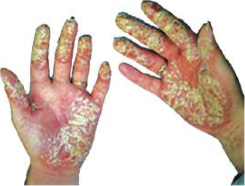
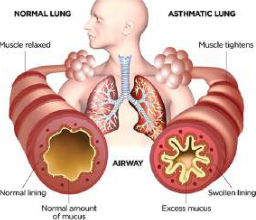
DDT is not the only one. Pesticides such as benzene hexachloride (BHC), methoxychloride, aldrin and dieldrin cause similar effects on organisms. When such chemicals touch the skin they can cause skin disease, and when they are breathed in with the air they can make the airways swell and narrow.
How Farm Chemicals Reach Water
In the name of modernizing agriculture, insecticides such as DDT, BHC, aldrin and dieldrin are being used, and chemical fertilizers are being applied far beyond what crops need. A crop takes up only part of what is sprayed or spread; the rest stays on the leaves and in the soil. When it rains, the chemicals mix with the rain water and are carried into streams, ponds, rivers and wells.
Once in the water, these chemicals affect the whole ecosystem there. Fish, frogs, water insects and other aquatic animals are poisoned and die. Extra fertilizer makes algae and water plants grow too fast; when they die and rot, the oxygen in the water is used up and aquatic animals suffocate. People who drink that water or eat fish from it take the chemicals into their own bodies.
Chemicals That Spoil the Soil
Harmful pests destroy agricultural products, so pesticides have to be used to kill and control them. They protect the crop, but they pollute the soil. Chemicals such as insecticides, fungicides and weedicides are regarded as a main source of this pollution.
Insecticide: a pesticide that kills insects. Examples: DDT, malathion.
Fungicide: a chemical that kills the fungi that cause plant diseases.
Weedicide: a chemical that kills weeds, the unwanted plants that grow among crops. It is also called a herbicide.
Substances such as DDT, aldrin, dieldrin and parathion degrade the quality of soil. They kill earthworms and the tiny organisms that rot dead matter and keep the soil fertile. After some years the soil gives poorer harvests, the farmer is tempted to add even more chemicals, and the problem grows worse.
Insecticides Banned in Nepal
Because these chemicals are so harmful, Nepal has banned several insecticides outright and placed one more under strict control.
| Status | Insecticides |
| Banned in Nepal | Aldrin, dieldrin, DDT, BHC, chlordane, lindane, endosulfan, etc. |
| Production, buying, selling, export and import restricted | Dichlorvos |
DDT, BHC, aldrin and dieldrin appear in both places: they are the pesticides that harm living things, and they are banned in Nepal.
Pollution from Industrial Materials
Chemical pollution does not come from farms alone. Industries make materials we use every day: cement, ceramics, glass, plastic, fiber, chemical fertilizers, soap and detergent. When these are used carelessly and thrown away anywhere, they degrade the quality of air, water and soil, and the ecosystem loses its balance. So these pollutants must be used and managed properly, and they should never be dumped directly into water sources or onto agricultural land.
| Material | How it harms the environment |
| Cement | Its fine dust blows into the air, is breathed into the lungs and settles on plants and in water. |
| Ceramics and glass | They do not rot; broken pieces stay in the soil for many years and cut people and animals. |
| Plastic | It does not decompose, blocks drains and streams, is swallowed by animals, and gives off poisonous gases when burnt. |
| Synthetic fiber | It does not rot, and it piles up in soil and water. |
| Chemical fertilizers | The excess washes into water, and over time it lowers the quality of the soil. |
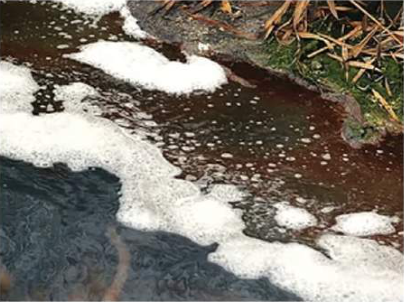
| Soap and detergent | They form foam in rivers and ponds, harm aquatic life and make algae grow in the water. |
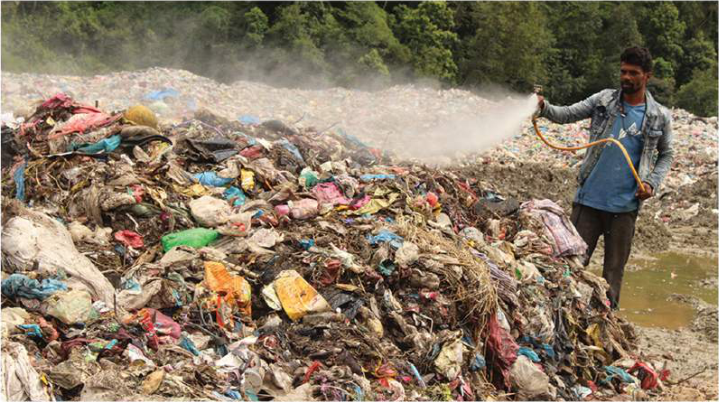
At a large dumping site all these materials end up mixed together in one heap. The smell spreads, flies and rats multiply, dark liquid from the rotting waste seeps into the soil and nearby streams, and plastic blows away across the land around it. Even the chemicals sprayed to control the smell and flies add more pollution.
Managing Chemical Pollutants
These materials are useful, so we cannot simply stop using them. What we can do is use them carefully and manage them properly, which cuts most of the pollution they cause. The following measures help in managing industrial chemicals such as cement, glass, ceramics, plastic, fiber, chemical fertilizers, soap, detergents and pesticides:
- Glass, ceramics, plastic and fiber pieces should not be thrown anywhere; they should be managed in proper places.
- Cement sacks should be tied and covered properly so that the dust does not blow.
- Organic or compost fertilizer should be used instead of chemical fertilizers.
- Chemical fertilizers and pesticides should be used only as suggested by an agriculture expert.
- Waste water left after using soap and detergent should not flow straight into water sources or agricultural land; it should be collected in a separate place.
Storing pesticides safely is part of managing them. They belong in a closed, labelled cabinet that cannot leak, away from food, water and animal feed, and out of the reach of children.
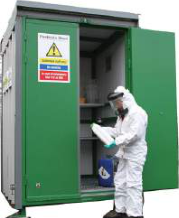
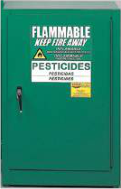
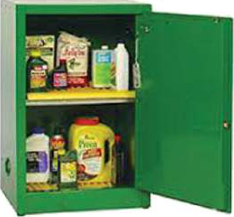
Never pour leftover pesticide into a stream, pond or well, and never rinse its container there. Never burn plastic waste. Both put poison straight back into the water and the air.
Use less, use correctly, and dispose of waste separately and safely: these three habits prevent most chemical pollution.
The full lesson is waiting for you
The notes are free to read in full. A free account opens the rest of the practice, and tracks your progress and confidence score for every subject. Presentations and videos need approval from Learn Yeti.