Energy All Around Us
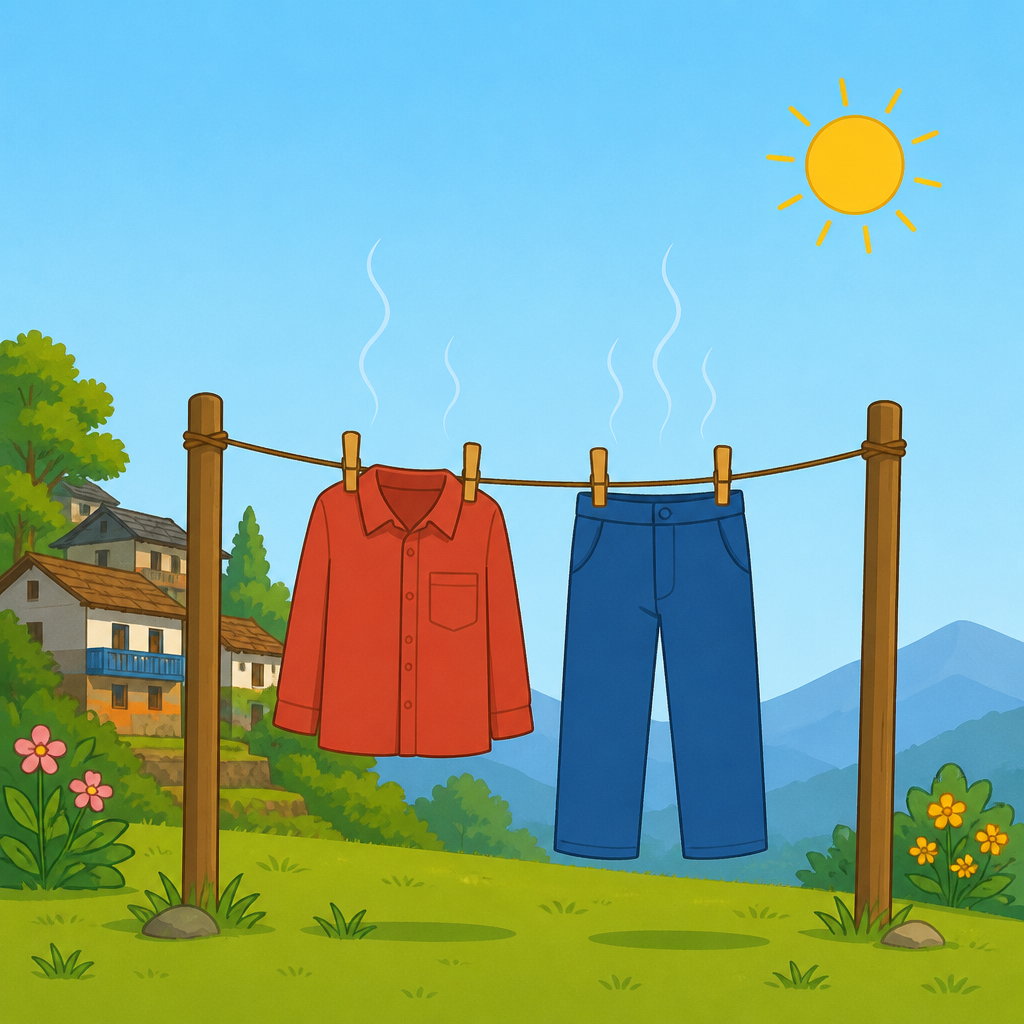
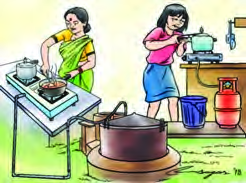
In the morning wet clothes are hung on a line in the sun, and by afternoon the sun's heat has turned the water in them into vapour. A neighbour's electric scooter runs without a drop of petrol, using electrical energy stored in its battery. In the kitchen, food cooks on an LP gas stove, while in many villages it is cooked over firewood or dried dung cakes. Every one of these jobs needs the same thing: energy. The heat that dries clothes, the electricity that moves the scooter and the fire that cooks food are all forms of energy.
Energy can change from one form into another. A solar panel fixed on a roof changes the energy arriving from the sun into electrical energy. That electricity is stored in a battery and used at night to light bulbs, run a television and charge a mobile phone. In this way the same solar energy reaches us transformed into electricity, light and heat.
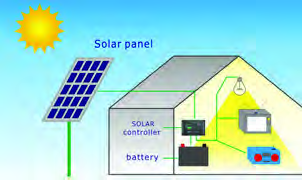
Every piece of work needs energy, and energy can be transformed from one form into another.
The Sun, the Chief Source of Energy
The sun is the chief source of energy, and without the sun life would not be possible. The energy received from the sun is used directly in many kinds of work. The sun's heat lifts water from seas and lakes as vapour, clouds form and rain falls, and in this way the water cycle keeps running. Plants make their own food using the light of the sun. We also use the sun's heat directly when we spread grain out to dry and when we dry firewood.
The sun's energy also reaches us indirectly. The petroleum substances and natural gas found in mines, and hydroelectricity as well, are all indirectly transformed states of solar energy. The river water that spins the turbines of a hydroelectric plant was lifted and delivered by the water cycle, which the sun drives. So almost all sources of energy have been formed by the direct or indirect transformation of solar energy.
Almost every source of energy is a direct or indirect transformation of the sun's energy.
What Is a Source of Energy?
Any substance from which usable energy can be obtained is a source of energy.
We keep meeting our need for energy from many different sources. Coal, petrol, diesel, kerosene, natural gas and hydroelectricity are all sources of energy. In the different regions of Nepal, energy is supplied from electricity, petroleum products, firewood, dried dung cakes, biogas, solar energy and more. In some Tarai homes dried dung cakes are burned, in the hills firewood is used heavily, towns run on LP gas and electricity, and families that keep cattle cook on biogas made from dung. In some places briquettes, blocks pressed from wood dust or coal dust, are also burned as fuel.
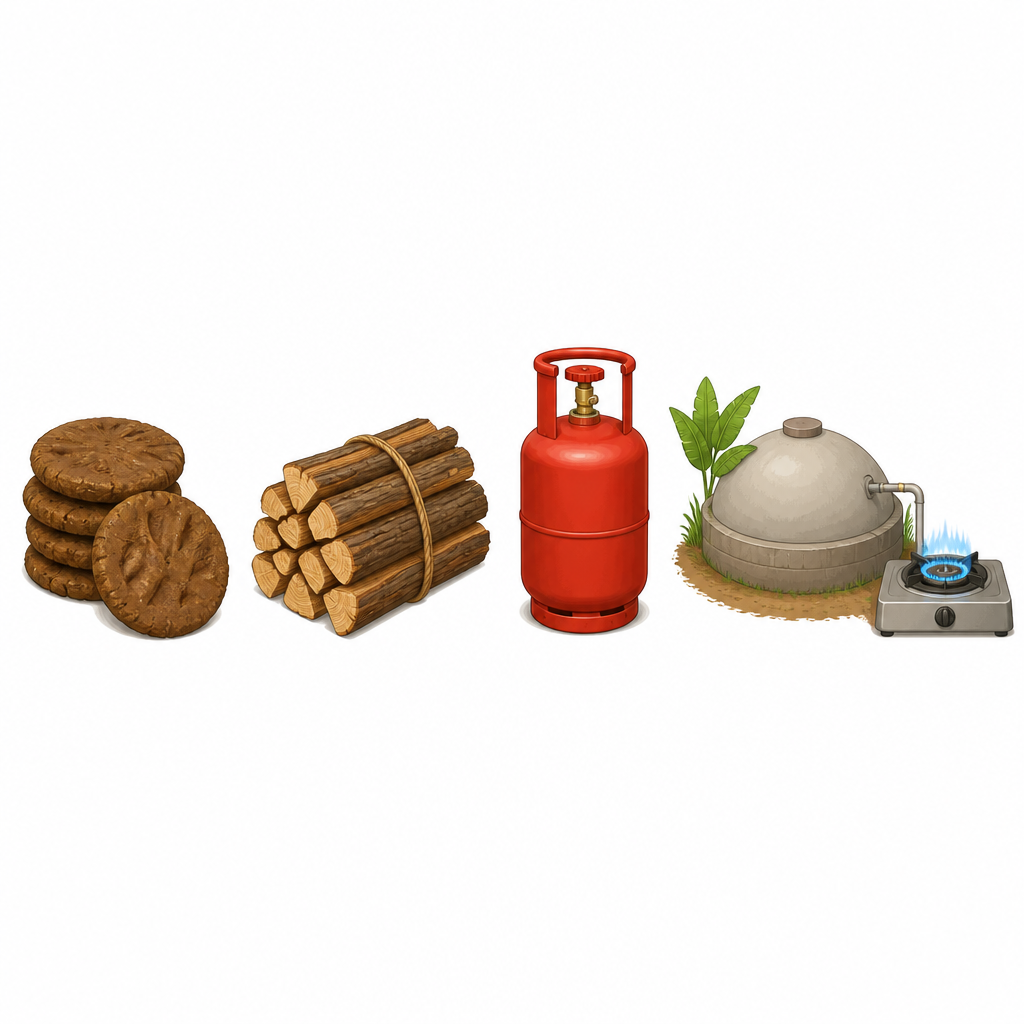

These sources are not all of one kind. Some are being made in nature all the time, while others, once finished, cannot be made again quickly. On this basis, sources of energy can be classified into two main types: nonrenewable sources of energy and renewable sources of energy.
Nonrenewable Sources of Energy
Sources of energy that empty out as they are used, and cannot be produced again when they are needed, are called nonrenewable sources of energy. Coal, mineral oil and natural gas are examples.
Some sources of energy take lakhs of years to form in nature. The remains of plants and animals buried long ago were pressed under the ground and slowly turned into coal, mineral oil and natural gas. When the store of such a source empties, it cannot be produced again within a short period. Nor can it go on giving energy forever, because the store collected underground is limited. A litre of petrol burned today would need lakhs of years to form again.
Renewable Sources of Energy
Sources that are being produced continuously in nature and never fall short are renewable sources of energy. Solar energy, wind energy, hydroelectricity, firewood, dried dung cakes and biogas are examples.
Some sources of energy can be replenished within a short period. They do not empty out forever as they are used. In other words, they can be made again whenever they are needed. The sun shines every day, the wind keeps blowing and water keeps flowing in the rivers. Even when trees are cut for firewood, new trees can be grown, and the dung that cattle give every day keeps becoming dung cakes and biogas. So these sources are dependable, because nature keeps up their supply.
Natural gas and biogas sound alike but they are different. Natural gas forms under the ground over lakhs of years, so it is a nonrenewable source, while biogas can be made from cattle dung within a short time, so it is a renewable source.
Comparing the Two Kinds of Sources
| Basis | Nonrenewable sources | Renewable sources |
| Time to form | Lakhs of years | Replenished within a short period |
| State of the store | Empties out with use | Never empties out forever |
| When needed again | Cannot be produced again | Can be made again |
| Examples | Coal, mineral oil, natural gas | Solar energy, wind energy, hydroelectricity, firewood, dung cakes, biogas |
To decide which class a source belongs to, one question is enough: once this source empties, can nature make it again within a short period or not? If it can, the source is renewable; if it cannot, the source is nonrenewable. This classification makes it easy to see which sources must be used carefully and which sources can be depended on.
The full lesson is waiting for you
The notes are free to read in full. A free account opens the rest of the practice, and tracks your progress and confidence score for every subject. Presentations and videos need approval from Learn Yeti.