Technology That Turns Sunlight into Useful Energy
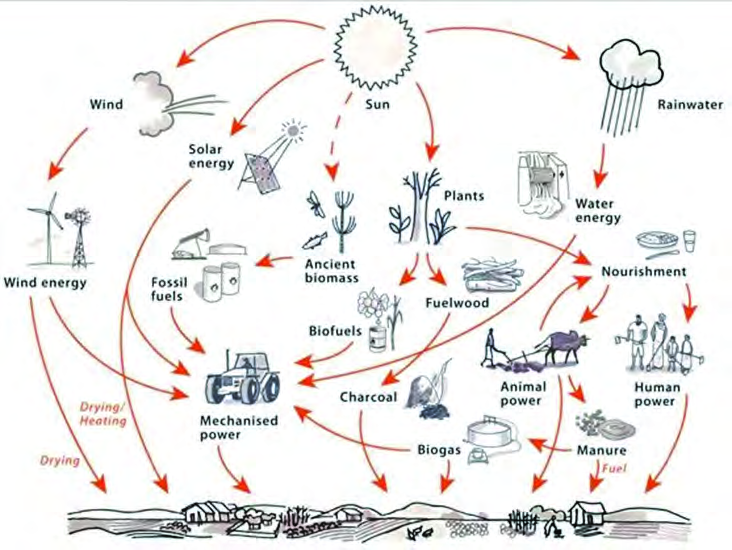
Trace almost any energy we use back far enough and you arrive at the Sun. Wind blows because the Sun heats the ground unevenly, the water cycle runs on the Sun's heat, and plants make their food from sunlight. Even the coal and petroleum under the ground are the remains of living things that stored the Sun's energy millions of years ago. That is why the Sun is called the chief source of energy.
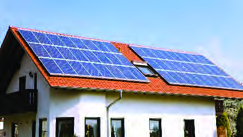
Technology lets us change the Sun's energy into the form we actually need. A solar panel changes solar energy into electricity. Many families fix a solar water heater on the roof, where the Sun's heat warms the water they bathe and wash with. Small solar lamps, solar street lights, the solar dryer that dries food and the solar cooker that cooks it are all everyday examples of solar energy harvesting technology.
Every solar technology does the same one job: catch sunlight and turn it into the form of energy we need. Some make electricity, and some put the Sun's heat straight to work.
Solar Electricity
A solar panel converts solar energy into electricity, and that electricity can run lights, radios, televisions and many other electrical appliances. A single panel is really a group of many small photovoltaic cells working together.
A photovoltaic cell is a cell made of a semiconductor material, usually silicon, that produces an electric current when light falls on it.
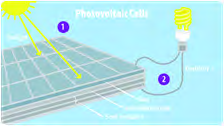
When sunlight lands on the cell, electrons in the silicon atoms are set free and begin to move, and a current is produced between the two ends of the cell. Joining many small cells in series increases the amount of current. The stronger the light falling on the cells, the greater the flow of electricity. That is why a solar panel must be fixed in a spot the Sun reaches well, so it can give electricity at its full capacity.
Solar Lamps and Street Lights
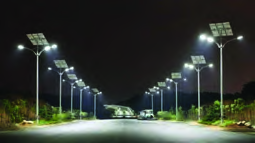
Solar lamps and solar street lights use the same photovoltaic cells. A small solar lamp carries an LED bulb, which glows on a very small current, so the lamp needs only a few photovoltaic cells grouped together. Charged in the daytime sun, it gives enough light to read by at night.
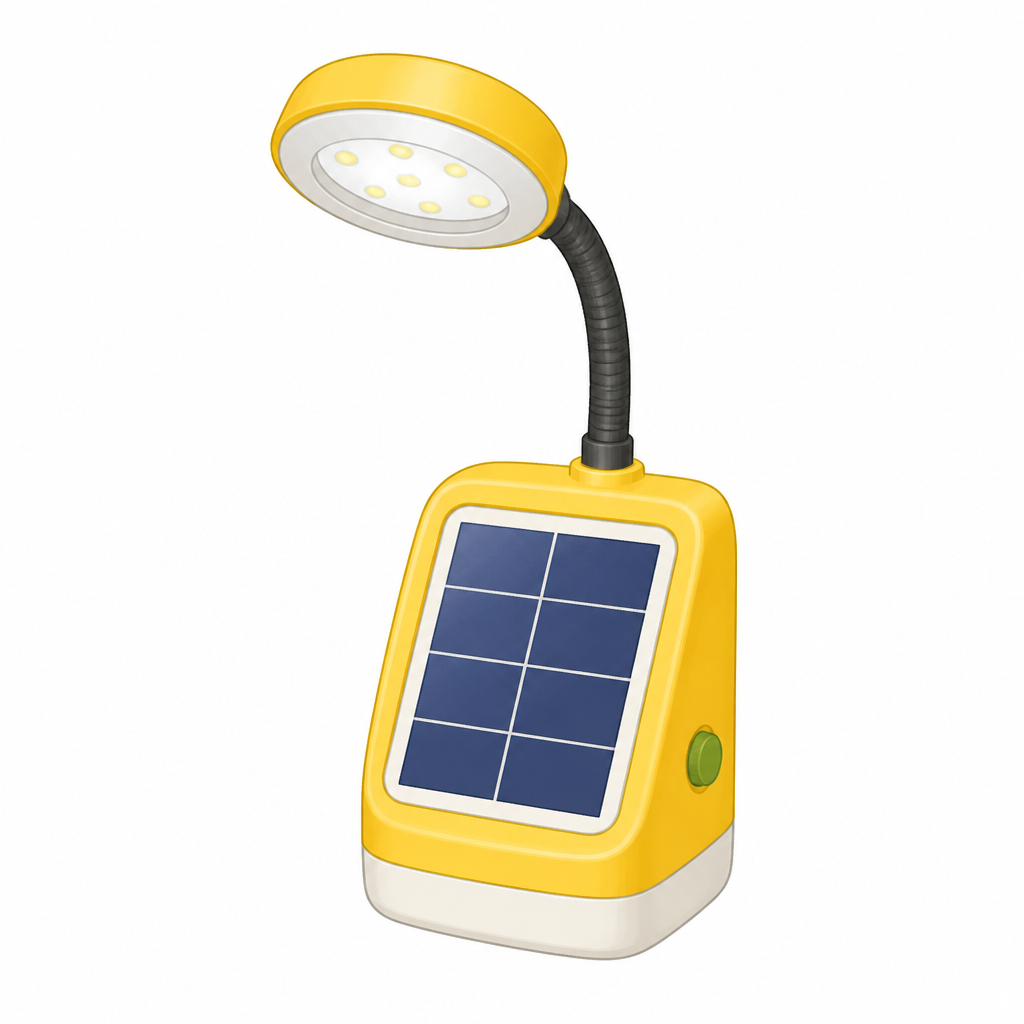
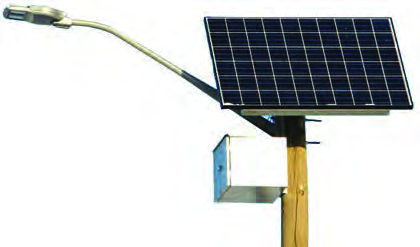
A solar street light has four main components: the solar panel, the battery, the LED light and the controller. Each has its own job.
- Solar panel: makes electricity from sunlight during the day.
- Battery: stores that electricity for the evening.
- LED light: gives plenty of light even on a small current.
- Controller: charges the battery by day and switches the lamp on by itself at dusk.
The electronic circuit inside the controller charges the battery from the panel's electricity through the day. When evening falls, the same controller switches the LED on by itself and sends the battery's electricity to the lamp. Nobody has to walk along the street pressing switches; the light manages its own day and night.
The Solar Dryer
Radish, potato, carrot, tomato, cauliflower, cabbage and leafy greens have always been dried by spreading them in the open sun, the way dried vegetables and fermented leaf foods are prepared at home. Open drying is slow, and while the food lies uncovered, dust, flies and insects can settle on it. A solar dryer saves time, and because the food dries inside a closed box, it is protected from being contaminated by the outside air.
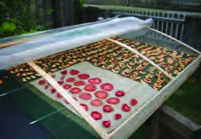
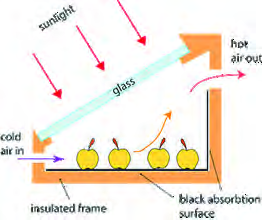
The dryer is a box with heat insulating walls on three sides and a slanting transparent sheet, usually glass, laid across the top. The inside is painted black, because a black surface absorbs heat well. A vent is cut low at the front for cool air to enter, and another vent is cut high at the back for hot air to leave. Sunlight passes through the glass and heats the black surface and the food. The heated air becomes lighter, rises, carries the moisture from the food out through the upper vent, and fresh cool air keeps entering through the lower vent to take its place.
The Solar Water Heater
In a solar water heater, a row of evacuated tubes, glass tubes built to absorb the Sun's radiation, is joined to a water tank so that the tubes lie parallel to one another. Cold water fills the tubes from the lower part of the tank. As the Sun heats the water inside the tubes, its density decreases. The lighter hot water rises and collects in the upper part of the tank, and denser cold water sinks down to fill the tubes again. The water keeps circulating by itself all day, with no pump anywhere, and the tank grows steadily hotter.
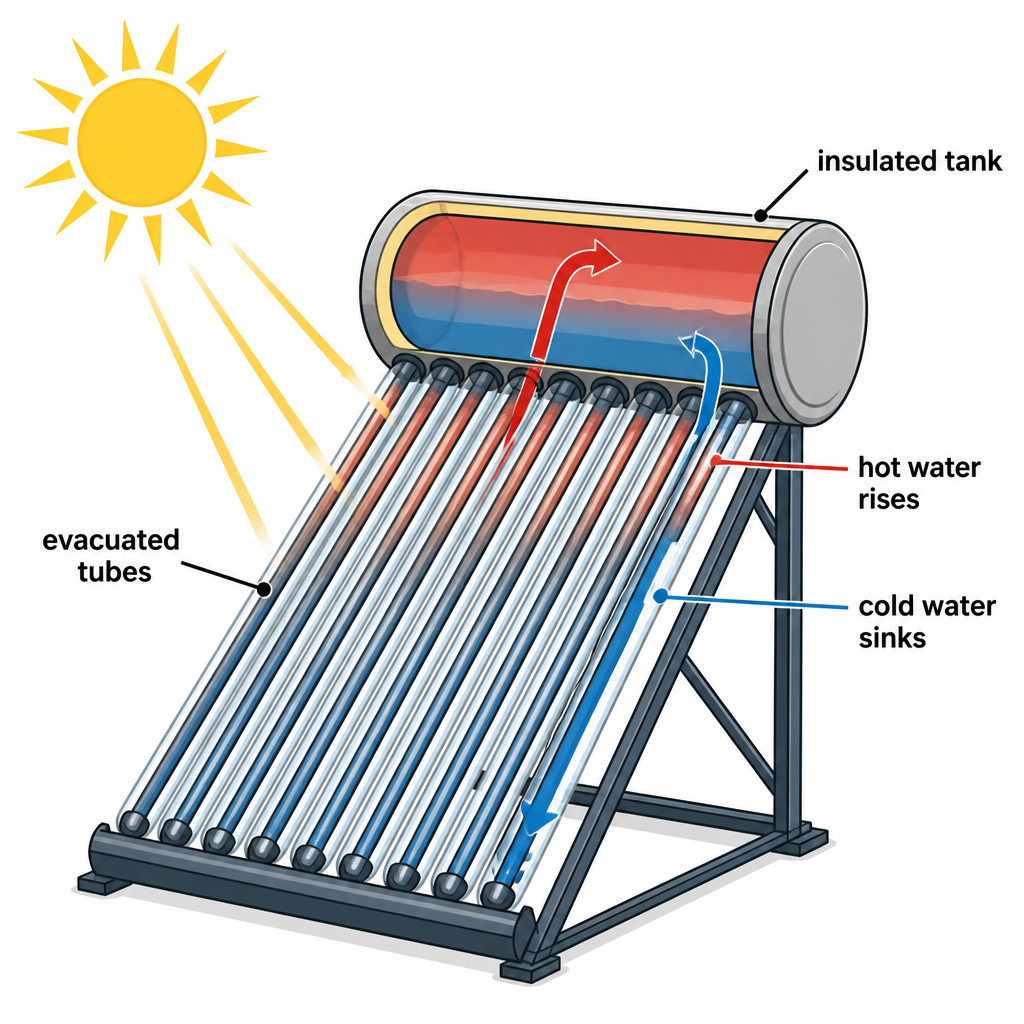
The difference in density does all the pumping: hot water is lighter and rises, cold water is denser and sinks. That one fact keeps the water circulating without any motor.
The tank itself is wrapped in a heat insulating layer that stops the heat escaping. Because of it, the water stays hot even at night, and there is warm water for washing early the next morning.
The Solar Cooker
A solar cooker gathers the Sun's heat onto the cooking pot using a large shiny curved surface that works like a concave mirror. The curve reflects all the sunlight falling on it toward one place, and the cooker is built so the pot sits exactly where that heat is concentrated. The outside of the pot is made black so that it absorbs as much of the heat as possible. Food cooks on the Sun's heat alone, without burning any fuel.
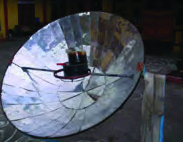
A solar cooker concentrates sunlight onto one point, and that point becomes extremely hot. Do not put your hand there, and never stare at the bright concentrated spot.
One Sun, Many Jobs
All of these technologies start from the same sunshine and end at different forms of energy. In some, photovoltaic cells make electricity; in others, a black surface or a shiny mirror puts the heat straight to work. The table below sets the five side by side.
| Technology | What the sunlight becomes | Key part |
| Solar panel | Electricity | Photovoltaic cells |
| Solar lamp and street light | Electricity stored in a battery | Cells, battery, controller and LED |
| Solar dryer | Hot air that dries food | Black absorbing surface and glass |
| Solar water heater | Hot water | Evacuated tubes and tank |
| Solar cooker | Concentrated heat that cooks food | Curved shiny surface |
Only the solar panel, lamp and street light work through electricity. The solar water heater, dryer and cooker make no electricity at all; they put the Sun's heat straight to work. Keep the two groups separate.
The full lesson is waiting for you
The notes are free to read in full. A free account opens the rest of the practice, and tracks your progress and confidence score for every subject. Presentations and videos need approval from Learn Yeti.