Living Beings Depend on One Another
The living beings around us depend on one another, directly or indirectly. Could humans survive in a place where no other organism existed? We need plants and animals for food, plants need insects and birds for pollination, and the soil is kept fertile by microorganisms. When cows and buffaloes graze in a meadow, birds are often perched on their bodies. Moss grows on the bark of large trees. A leech survives by sucking an animal's blood, while a tapeworm lives inside its gut. In the same way, the roots of beans and peas carry tiny nodules, where bacteria and the plant are quietly helping each other.
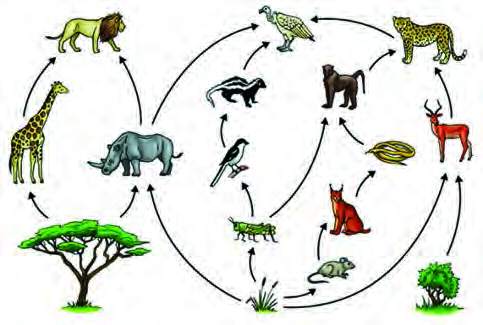
All of these are examples of interrelation and interaction between organisms. Birds sitting on an animal's body eat the insects lodged in its ears. In the lichen found on tree bark, the alga receives water and shelter from the fungus, while the fungus receives food from the alga. In this way living beings keep interacting with one another in many different ways to carry out their life processes.
The Main Kinds of Interaction
Interactions between organisms come in different kinds. In some, both organisms gain. In others, only one gains. In some, one organism's gain is the other's loss. The main interactions are these five.
Mutualism: both organisms benefit.
Commensalism: one benefits, the other is neither helped nor harmed.
Parasitism: the parasite gains, the host is harmed.
Competition: organisms struggle for the same resource.
Predation: one animal kills and eats another.
Mutualism
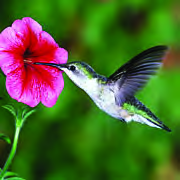
A small bird hovers at a flower and drinks its nectar. In this relationship the bird takes nectar from the flower, and in return the bird helps the flower with pollination. Both the bird and the plant gain from each other. In a relationship of this kind, the organisms depend on one another and the partnership lasts for a long time.
A long lasting relationship between two organisms in which both partners benefit from each other is called mutualism, also known as symbiosis.
Other examples of mutualism include the following:
- The bacteria living in the human digestive tract share this relationship with us. These microorganisms help digest our food, and in return they get their own food from what we eat.
- The clownfish and the sea anemone live in this partnership too. The clownfish stays safe among the anemone's tentacles, while it attracts other animals that the anemone then eats.
- In the lichen on tree bark, the alga and the fungus live together by giving each other water, shelter and food.
Commensalism
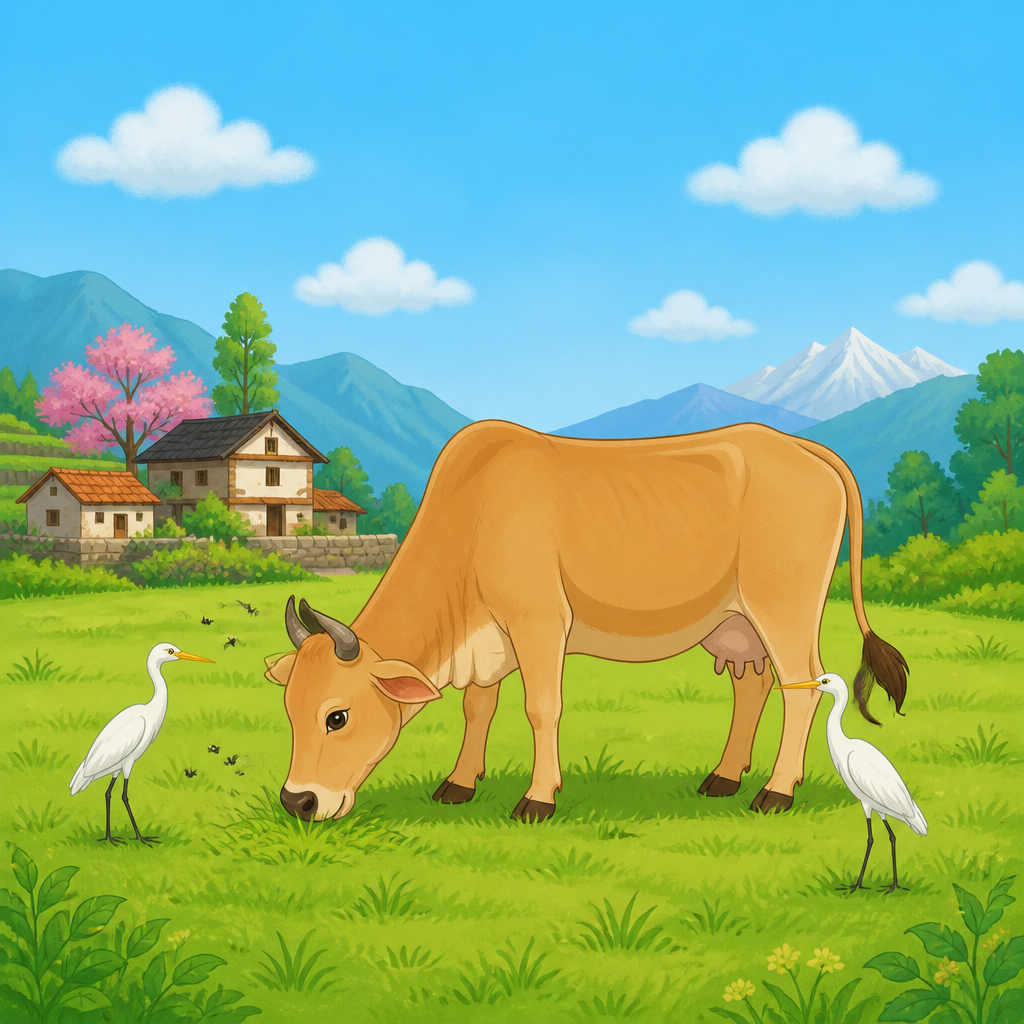
While a cow grazes, egrets walk close beside it looking for insects. As the cow moves through the grass, hidden insects and grasshoppers jump up and the egrets eat them. In this process there is a biological relationship in which the dependent organism gains, while the one giving shelter suffers no harm at all. An interaction of this kind is called commensalism.
Commensalism is the interaction in which the dependent organism benefits while the organism giving it shelter or support is neither harmed nor helped.
Other examples of commensalism include the following:
- A spider spins its web on a tree to live there, but the web does the tree no harm.
- Spiky burrs cling to an animal's body. As the animal walks along, the burrs drop off and the seeds inside them get scattered to new places.
- Barnacles fasten themselves to a whale's skin. They travel long distances as the whale swims, and the whale is not harmed by carrying them.
Mutualism and commensalism are easy to mix up. In mutualism both organisms gain, but in commensalism only one gains and the other is simply unaffected. Before you answer, first check whether one organism benefits or two.
Parasitism
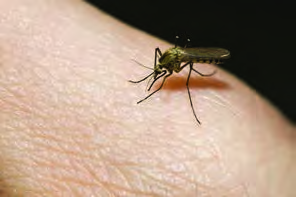
Parasitism is the biological interaction in which the dependent organism draws its food from the body of the organism sheltering it. In this relationship one organism benefits while the other is harmed. The organism that feeds is called the parasite, and the organism whose body it feeds on is called the host.
Parasitism is the interaction in which one organism sucks food from the body of another, so that the parasite benefits while its host is harmed.
A parasite that lives on the outside of an animal's body and sucks its blood, like the flea, the mosquito and the bedbug, is called an external parasite.
A parasite that lives inside the body, like the tapeworm in an animal's intestine that soaks up food from its host, is called an internal parasite.
The louse that settles in human hair stays alive by sucking human blood. The louse gains, and the person is harmed. Since the louse lives on the outside of the body, it too is an example of an external parasite.
Competition
Within an ecosystem, organisms are constantly competing for the same resource, such as food or a place to live. All the biotic factors of an ecosystem have to stay in balance with one another. If the numbers of these living things fall out of balance, the ecosystem itself is disturbed. When food is scarce, of two organisms seeking the same food, the stronger one gets it and the weaker one goes without, so in competition both organisms have to struggle.
Competition is the struggle between organisms of the same ecosystem for one and the same resource, such as food or living space.
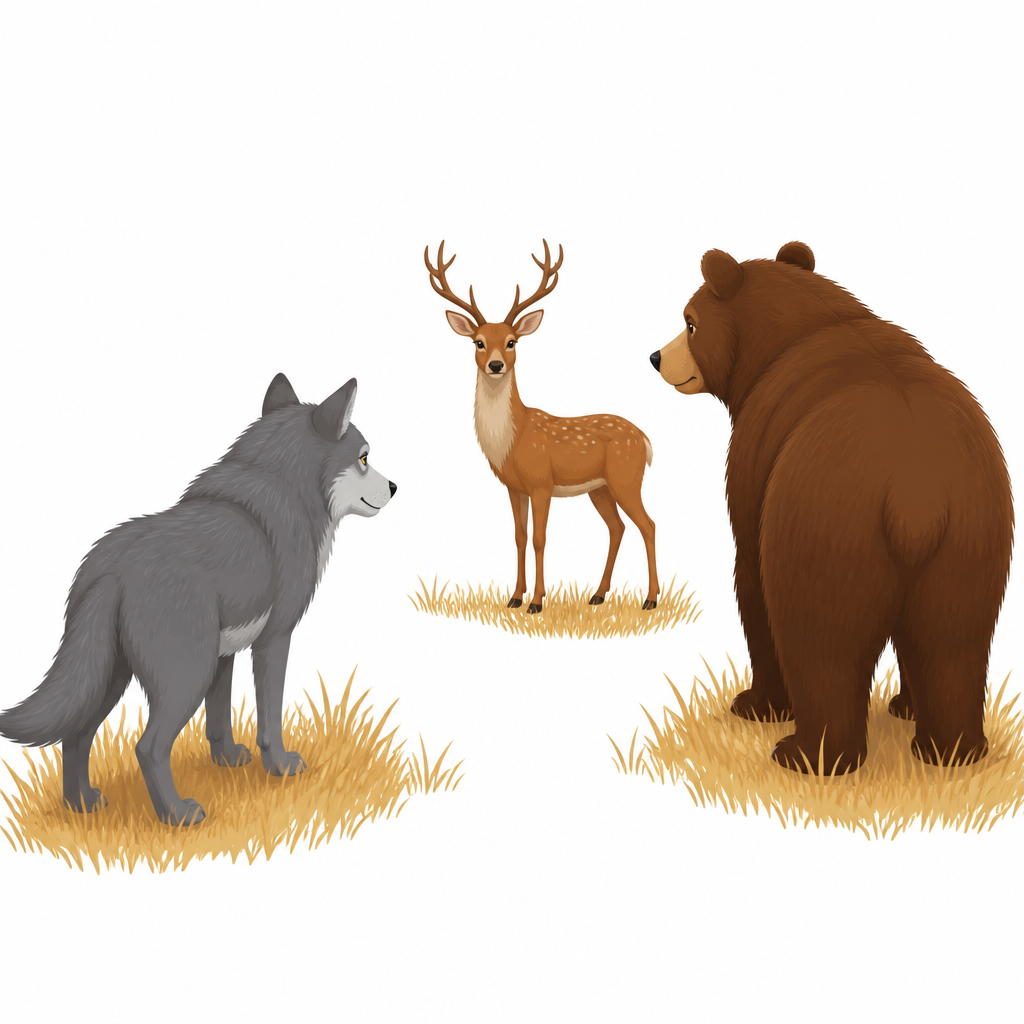
Examples of competition between organisms in an ecosystem include the following:
- The sea sponge and the coral compete with each other for the same food resources of the sea.
- The wolf and the bear both hunt animals, so the two of them compete for the same prey.
Predation
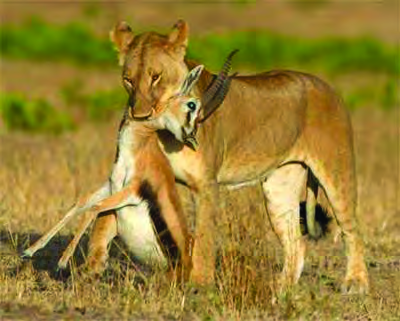
Carnivorous animals obtain their food by killing animals weaker than themselves. This process of killing and eating other animals is called predation. This kind of interaction is found among carnivores. The animal that kills is the predator, and the animal that is killed is the prey.
Predation is the interaction in which a carnivorous animal obtains its food by killing and eating an animal weaker than itself.
Some examples of predation are these:
- The leopard hunts the deer and eats it.
- The owl hunts the mouse.
- The tiger hunts other animals.
Predation and parasitism are not the same. A predator kills its prey at once and eats it, but a parasite keeps its host alive and draws food from its body little by little over a long time.
Who Gains and Who Loses
To decide which interaction any relationship is, ask two questions. How many organisms gained? Was anyone harmed? The table below sets all five interactions side by side.
| Interaction | First organism | Second organism | Example |
| Mutualism | Gains | Gains | Flower and nectar drinking bird |
| Commensalism | Gains | Neither helped nor harmed | Cow and egret |
| Parasitism | Gains (parasite) | Harmed (host) | Louse and human |
| Competition | Struggles for the resource | Struggles for the resource | Wolf and bear |
| Predation | Gains (predator) | Is killed (prey) | Leopard and deer |
If two organisms gain it is mutualism. If only one gains and the other is untouched it is commensalism. If the other is harmed it is parasitism or predation. If both must struggle it is competition.
The full lesson is waiting for you
The notes are free to read in full. A free account opens the rest of the practice, and tracks your progress and confidence score for every subject. Presentations and videos need approval from Learn Yeti.