Plants Respond to Their Surroundings
Do plants make hormones the way animals do? A plant germinates, grows, flowers, bears fruit, ripens that fruit and finally lets the seeds come out of it. For all of this to happen at the right time and in the right order, the plant needs hormones. Just like an animal, a plant makes its own hormones to manage these jobs.
Plants respond to their surroundings just as animals do. They respond to gravity, to light, to chemicals and to touch. A sunflower keeps turning its face toward the sun through the day, and a pot plant kept inside a room slowly leans toward the window. Anything in the surroundings that a plant reacts to in this way is called a stimulus, and every one of these responses is possible because of the hormones produced inside the plant itself.
What a Plant Hormone Is
Like animals, plants have glandular tissues, and these tissues secrete hormones. With the help of a hormone, a message passes from one cell to the next, which is how one part of the plant can tell another part what to do. A plant hormone is not a nutrient. It is a messenger built from chemical substances. A plant needs a particular kind of hormone at a particular time and in a particular part. When a fruit is ready it needs the ripening hormone, and where the stem is lengthening it needs a growing hormone.
A plant hormone is a chemical messenger made inside the plant that passes messages from cell to cell and controls life processes such as growth and development. It is not a nutrient.
A hormone is not the plant's food. It is the plant's message, and a very small amount of it does a very large job.
The Plant Growth Hormones
Both external factors from the environment and internal factors influence how a plant grows and develops. Sunlight, water and soil act on the plant from outside. Among the internal factors, hormones are the chief one, and they affect the plant's growth and development directly.
A plant growth hormone is a hormone that helps the plant grow and develop.
There are five main plant growth hormones:
- Gibberellin
- Auxin
- Brassinosteroid
- Ethylene
- Cytokinin
What the Growth Hormones Do
The main work of the growth hormones is to make the plant grow and develop. They are generally produced in the plant's growing regions, which are the tips of the stem and the root, because a plant lengthens from its tips.
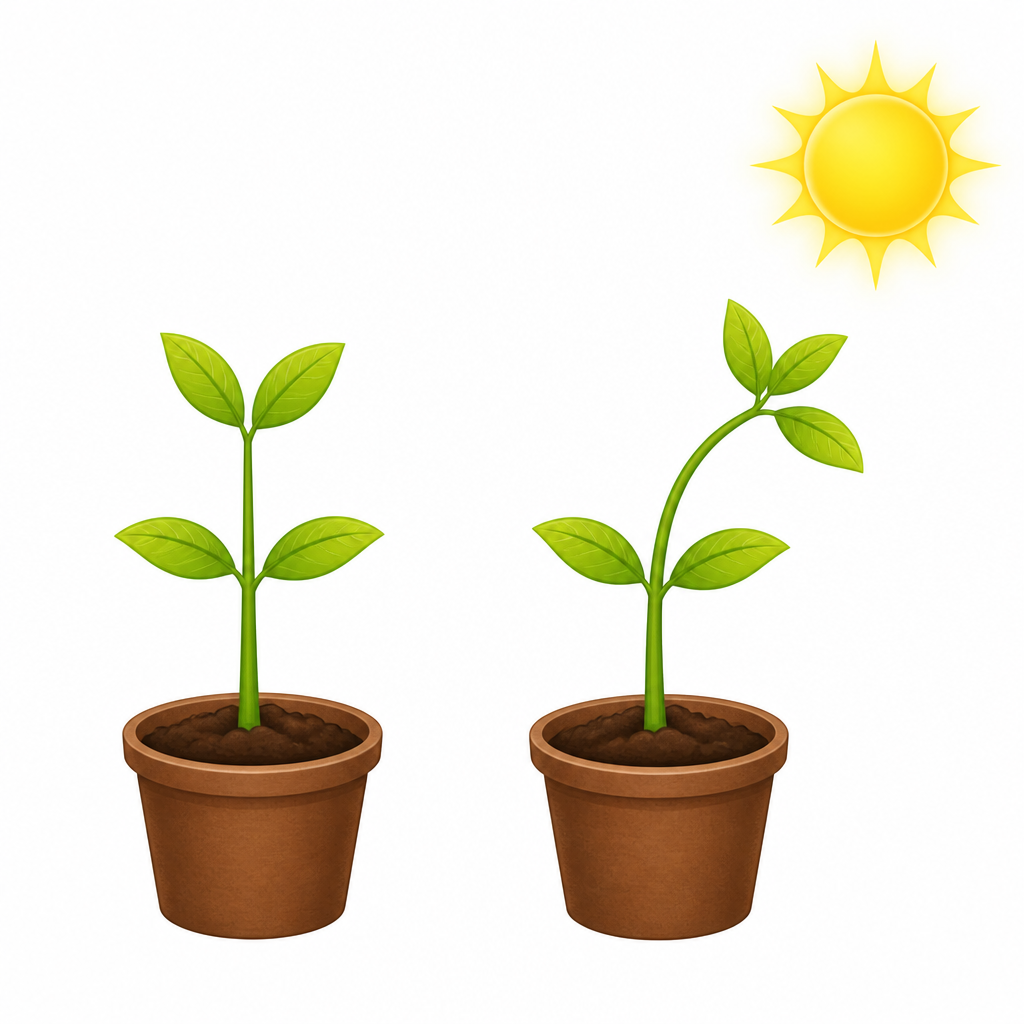
Auxin is produced at the tip of the stem. It helps the stem tip bend and grow toward light, and this growth toward light is called phototropism. Auxin also helps the plant maintain apical dominance. Because of it, the tip of the main stem keeps growing strongly while the side buds lower down grow much less.
Phototropism is the growth of the stem tip bending toward the side the light comes from. It happens because of the hormone auxin.
Apical dominance is the condition in which the tip of the main stem grows strongly while the side buds below it stay suppressed. The hormone auxin maintains it.
Cytokinin is found in large amounts in the tips of roots, in embryos and in fruits. These are the parts of the plant where new cells are being made fast, and there cytokinin helps the plant's growth and development.
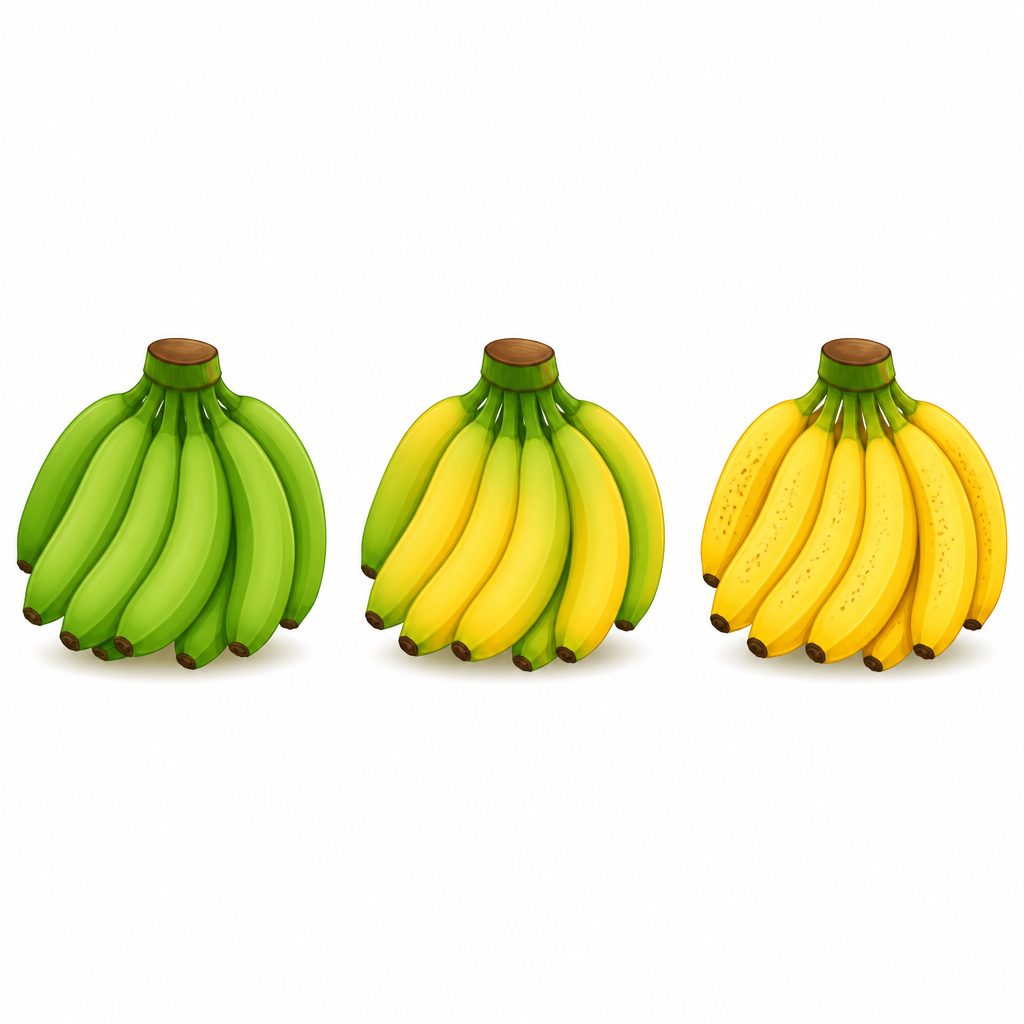
Ethylene is the ripening hormone. It turns a mature green fruit soft, sweet and coloured. The falling of old leaves is also connected with ethylene.
Gibberellin helps the stem grow longer and helps seeds sprout, while brassinosteroid supports the growth and development of the cells. Working together, all of these hormones bring about the plant's growth and development.
The Growth Hormones at a Glance
| Hormone | Main work |
| Auxin | Made at the stem tip. Causes phototropism and maintains apical dominance. |
| Cytokinin | Found in plenty in root tips, embryos and fruits. Helps growth and development. |
| Ethylene | Ripens fruit. Connected with the falling of old leaves. |
| Gibberellin | Helps the stem lengthen and seeds sprout. |
| Brassinosteroid | Supports the growth and development of cells. |
Uses of Growth Hormones in Farming
Farmers and plant scientists put the growth hormones to work. Their main uses are these:
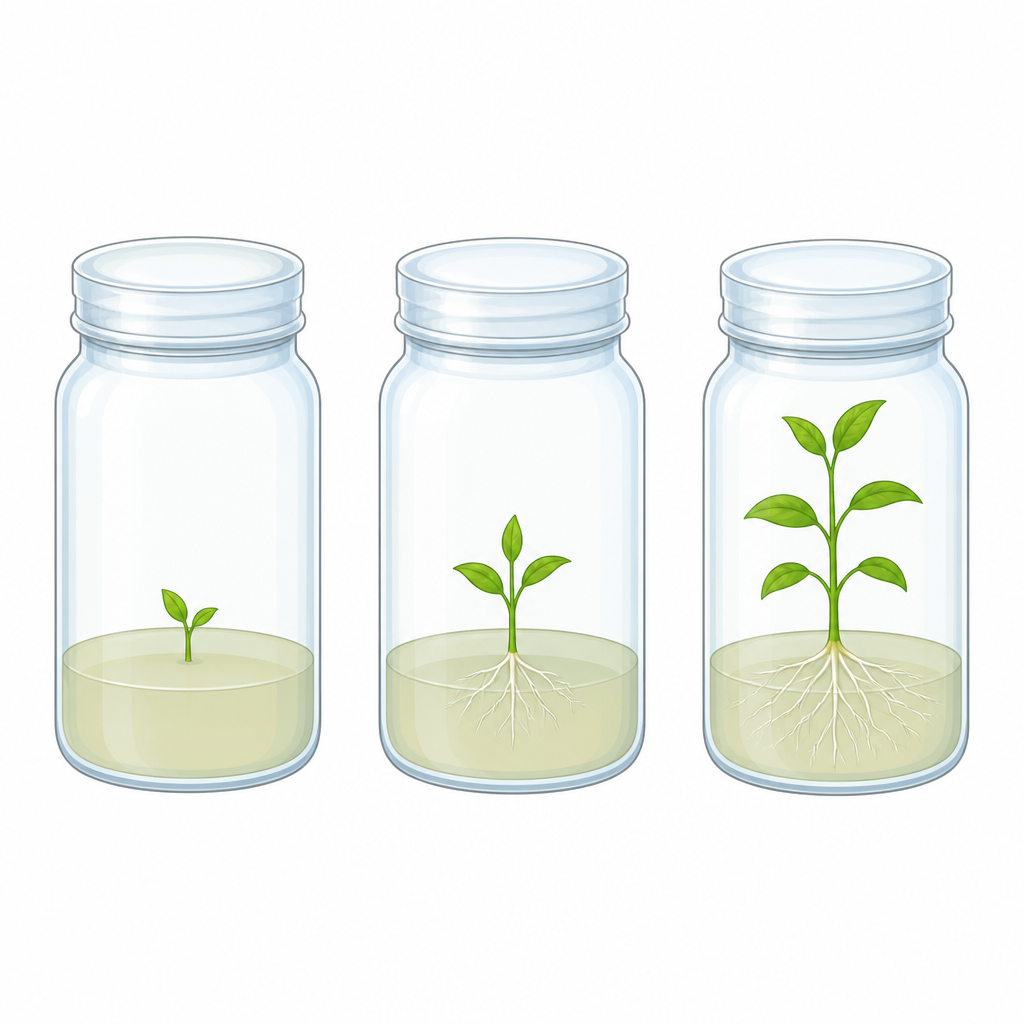
- In tissue culture, the hormones auxin and cytokinin are mixed into the artificial medium. These hormones help the roots and the stem grow, so auxin and cytokinin must be kept in a balanced amount, and then the plant grows and develops fast.
- These hormones also play an important role in producing quality fruit and vegetables, and in growing vegetables out of their usual season.
Using too much hormone on vegetables and fruit harms human health. These days some commercial farmers use artificial hormones in very large amounts to raise their production, and eating such vegetables and fruit affects the health of the people who eat them.
The full lesson is waiting for you
The notes are free to read in full. A free account opens the rest of the practice, and tracks your progress and confidence score for every subject. Presentations and videos need approval from Learn Yeti.