Differences within one species: variation
Look around your own classroom once. Some friends are tall, some short. Some have darker skin, some lighter. One voice is deep, another thin. Everyone is human, a member of the same species, yet no two people are exactly alike. Even children of the same parents are never identical copies of each other, and even twins show some difference when you look closely. Every organism living in the group of a particular species differs from the others in at least a few traits.
Variation is the difference found among the individual members of the same species. It appears even among organisms of one and the same species.
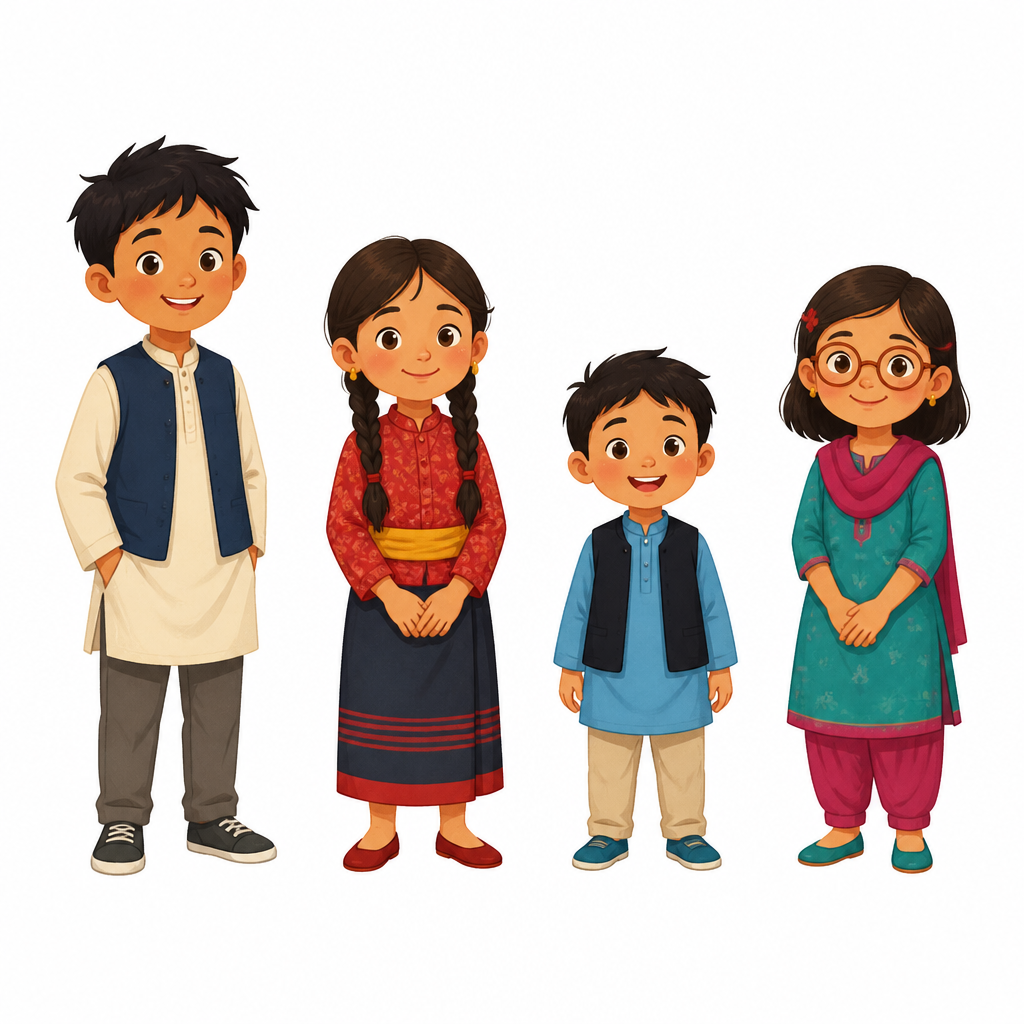
Variation may look like a small matter, but it is one of the most important ideas in biology. If organisms showed no differences at all, every individual would be the same and no new trait could ever appear across the generations. It is because of these differences that one organism manages to live well in its environment while another does not. Understanding variation is therefore understanding why and how living things keep changing.
The two kinds of variation
Variation in organisms occurs in two ways. The first is somatogenic variation and the second is blastogenic variation. The muscular body an athlete builds through years of training, or the intelligence a person develops through study and practice, are examples of somatogenic variation. An organism earns such traits during its own lifetime. They are not inherited from ancestors and they do not pass to offspring, which means they end with the organism's death. An athlete's child is not born with a strong body; the child too must train to build one.
Somatogenic variation is the variation an organism acquires during its own lifetime. It is not inherited from the parents and it does not pass to the offspring, so it ends when the organism dies.
Blastogenic variation is the variation caused by a change in the gene present in the cells of an organism. This kind of variation passes on to the next generation.
The colour of the skin, the colour of body hair and the colour of the eyes are examples of blastogenic variation. Because these traits are written in the genes themselves, they pass from parents to children. Besides this, variation also arises through the effect of the surrounding environment. Organisms develop traits that suit their environment so that they can adapt to it. The thick fur on animals of cold places is a result of exactly this.
| Basis | Somatogenic variation | Blastogenic variation |
| Cause | Practice and effort during the organism's own life | A change in the gene |
| Inherited or not | Does not pass to offspring, ends with death | Passes on to the next generation |
| Example | An athlete's muscular body, intelligence | Skin colour, hair colour, eye colour |
Favourable, unfavourable and environmental variation
Not every variation an organism gets is useful. Some variations make life easier for the organism, others make it harder. Organisms that receive favourable variation are able to survive, and those traits are able to move on to the next generation. But when an unfavourable variation develops, such organisms slowly disappear and become extinct. As favourable variations keep developing, the organisms keep surviving and keep passing those traits on. In this way offspring develop that carry traits different from those of their own ancestors.
As favourable variations pass on and add up generation after generation, the offspring grow more and more different from their ancestors. This is the main road along which living things change.
The environment also brings change in organisms. When children of the same parents grow up in different environments, differences appear in their outer form. These individuals are the same in their genes, yet the effect of the environment makes them look different from the outside. This is called environmental variation. Two brothers, one growing up in the hot plains and one in a cold mountain village, come to differ in skin colour and build, and that difference is an example of it.
Mutation
Mutation is the development of offspring carrying a new trait because of a change that has occurred in the chromosome. A mutation is a sudden, discontinuous variation that appears in an organism all at once.
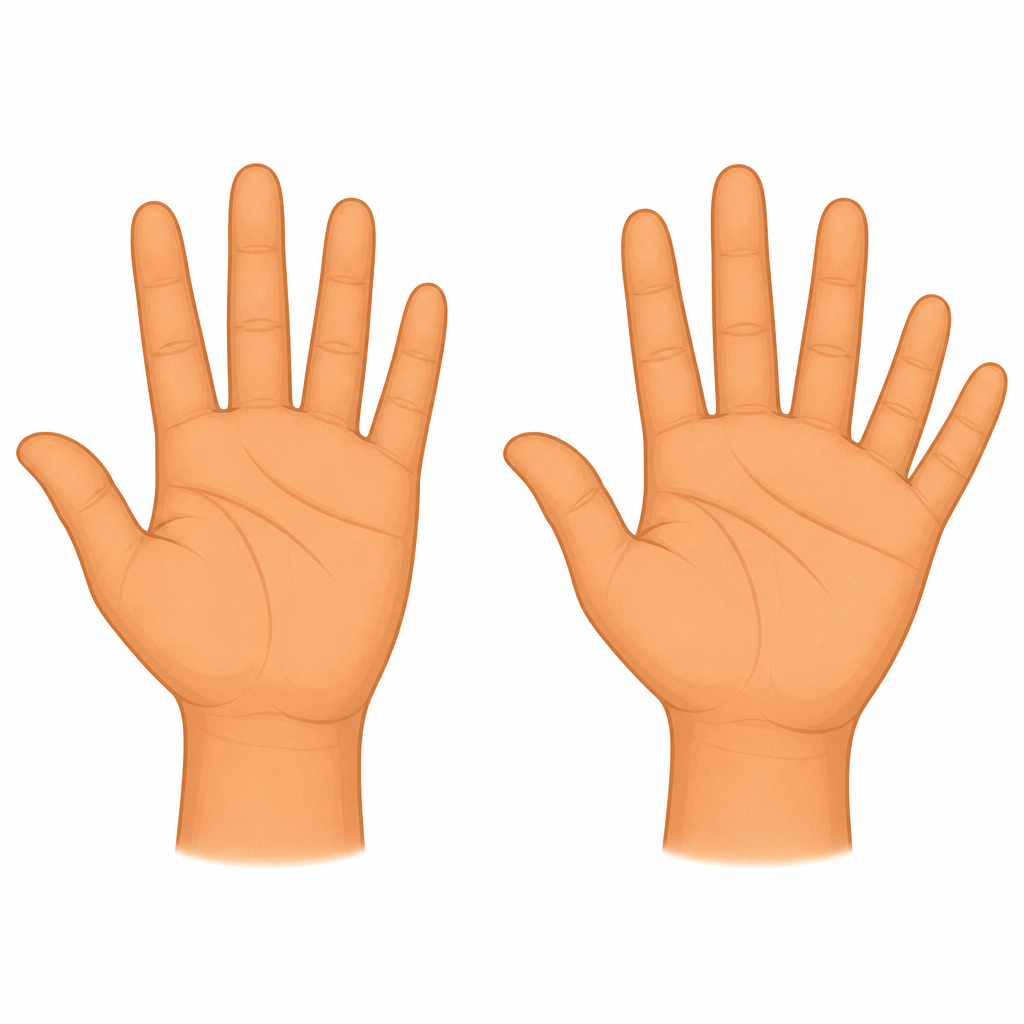
Ordinary variation shows itself slowly and little by little, but a mutation appears in one stroke. Traits of this kind are usually recessive, which means an organism can carry them without showing them. A hand with 6 fingers, a child born with a cleft lip, a child born with a joined head, and a mouse that develops without any hair are all examples of mutation. Such features, absent in the parents, suddenly appear in the offspring.
The main causes of mutation are the effect of chemical substances or of radioactive radiation on the genes. Such agents damage the structure of the gene, and from that damage a new feature appears in the offspring. It is because of mutation that features never present in the parents show up in their children.
An organism in which a mutation has occurred is called a mutant.
The agent that causes a mutation is called a mutagen. Chemical substances and radioactive radiation are examples of mutagens.
Do not treat variation and mutation as the same thing. Variation is the ordinary difference that shows gradually among members of one species, while mutation is a discontinuous change that appears all at once because of a change in the chromosome. Mixing the two in an exam answer loses marks.
Hugo De Vries and his mutation theory
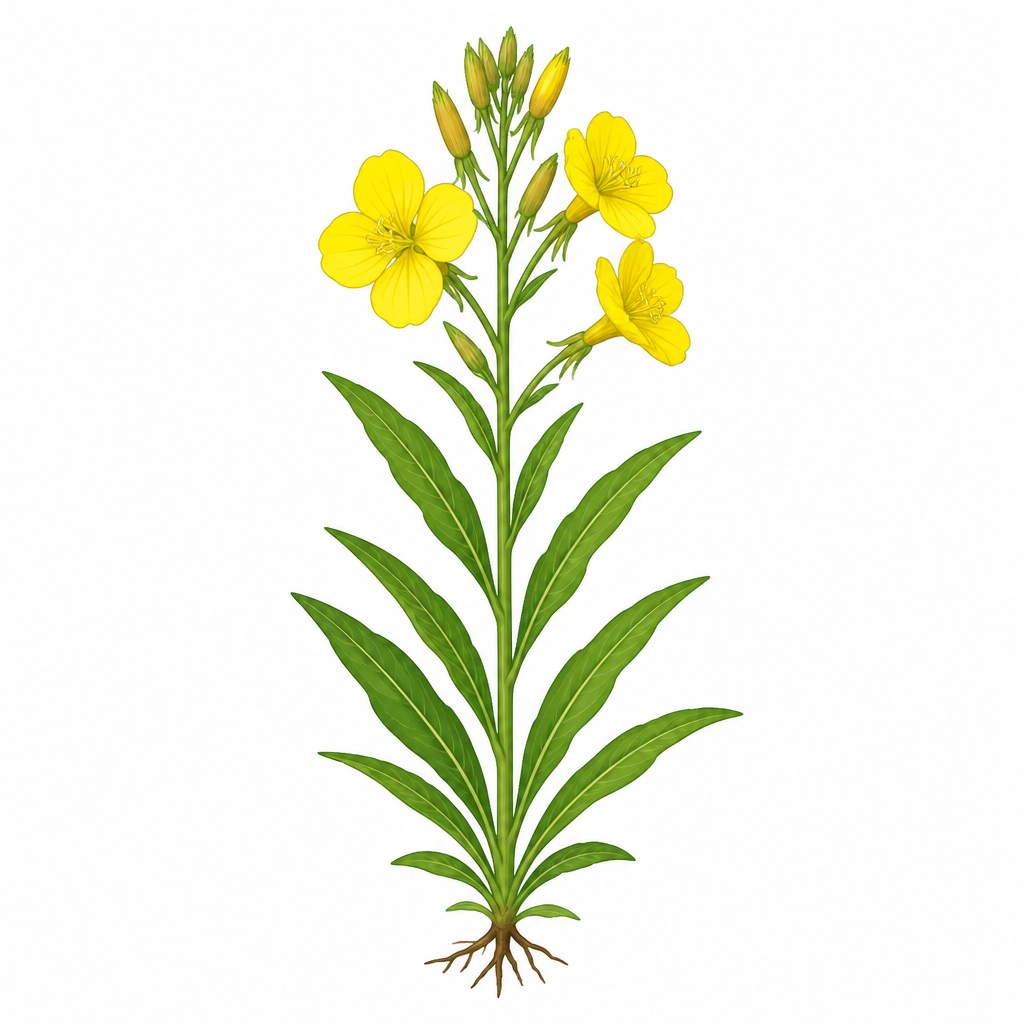
Hugo De Vries was a botanist from the Netherlands. In the year 1901 he put forward his theory about mutation. During his study he experimented on the evening primrose plant, Oenothera lamarckiana. This plant should carry 14 chromosomes, yet among its varieties he found chromosome numbers of 15, 16, 20 and even 22. The fact that the chromosome number itself had changed led him to a new conclusion. According to Hugo De Vries, the origin of a new species happens not through continuous variation but through mutation.
According to him, the postulates of the mutation theory are these:
- The origin of a new species also happens because of mutation. Mutation is therefore one basis of evolution.
- In a mutation, new traits appear suddenly and become functional at once.
- All mutations are able to pass on to the next generation.
- Organisms with useful variation are selected, and organisms with useless variation disappear.
- When variation becomes great, a new species originates.
Criticism of the mutation theory
Although the mutation theory of Hugo De Vries has its strong points, some criticisms have been raised against it, and they can be listed like this:
- The plant Oenothera lamarckiana is a hybrid of an older species. The new traits seen in it come from the separating and rearranging of its chromosomes, not from mutation.
- The mutation theory gives evolution no definite direction.
- If mutated traits truly appeared out of nowhere, such mutant organisms should be unable to adjust to their environment, yet that is not what is found.
- He did not describe the role of nature in mutation.
- Traits that come from mutation are generally recessive.
These criticisms show that mutation is not the single main driver of evolution but one additional factor within it. For a new species to form, variation, mutation and adjustment to the environment all contribute together.
The full lesson is waiting for you
The notes are free to read in full. A free account opens the rest of the practice, and tracks your progress and confidence score for every subject. Presentations and videos need approval from Learn Yeti.