From Simple to Complex: Living Things Around Us
Living things of countless kinds are found all around us. Some of them, like bacteria and Amoeba, have an extremely simple body. The whole body of an Amoeba is a single cell. On the other side stand multicellular mammals such as cows and elephants, and flowering plants, whose bodies are built from many cells, tissues and organs working together. Looked at carefully, every organism appears different from every other one. Inside this difference between simple and complex hides a very long story about life.
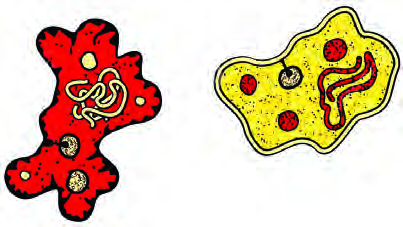
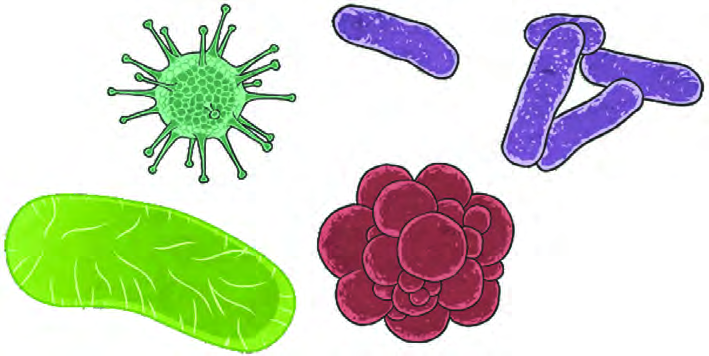
How did living things come to differ so much? Differences are believed to have developed because of the structure of the Earth, the way each organism adjusts to the climate of its region, and many other causes. Humans and elephants, for example, are both land dwelling mammals with a backbone, yet the two differ in a great many qualities. Even among human beings living in different parts of the world there are differences in skin colour, height and much else. Flowering plants likewise all belong to one group, yet they exist in thousands of kinds, each different from the others.
What the Remains of Ancient Life Tell Us
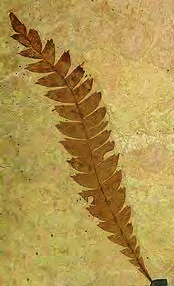
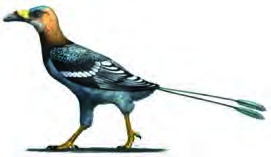
What kinds of creatures lived on the Earth lakhs of years ago? Those creatures are gone, but their remains are found preserved in layers of rock and soil. It is by studying such remains that we come to know about organisms that existed long ago. Comparing the similarities and the differing qualities between those organisms and the ones alive today, we reach the conclusion that the very first organism to arise on the Earth's surface must have been an ordinary, extremely simple one. As the environment kept changing, more and more complex kinds of living things are believed to have arisen.
What Evolution Is
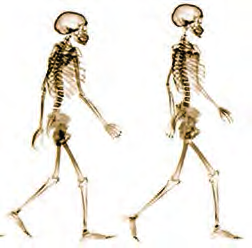
The bodies of living things did not change all at once. Over an enormous stretch of time, as the environment kept changing, the bodies of organisms changed along with it. As organisms with complex bodies kept arising from organisms of simple build, new species kept appearing on the Earth. In science this process is called evolution.
Evolution is the process by which the body structure of living things changes gradually from simple to complex form and new species of organisms develop.
According to modern belief, the developed organisms of today evolved step by step from extremely simple microscopic organisms. On the basis of various evidences of evolution, organisms with complex bodies arose from simple ones.
Evolution is not one animal turning into another within its own lifetime. It is an extremely slow change running through generation after generation for lakhs of years, out of which new species slowly develop.
How Life Began on Earth
Life is believed to have arisen on the Earth's surface only lakhs of years after the Earth itself was formed. In the very beginning there was no environment in which living things could survive. The Earth's surface kept changing without pause. Once rain began to fall, the environment changed further still. Chemical reactions took place between different kinds of elements, and as a result organic molecules were formed. All the while, the environment went on changing.
Once organic molecules had formed, the development of life is believed to have moved forward in this order:
- After organic molecules formed, extremely simple microscopic viruses arose.
- The environment grew more favourable for life, and prokaryote organisms such as bacteria arose.
- After that the eukaryotic cell arose, which is more developed than the prokaryote.
- Unicellular organisms and plants developed.
- Along with the favourable environment, multicellular animals and plants arose and developed.
The Sequence of Evolution in Animals
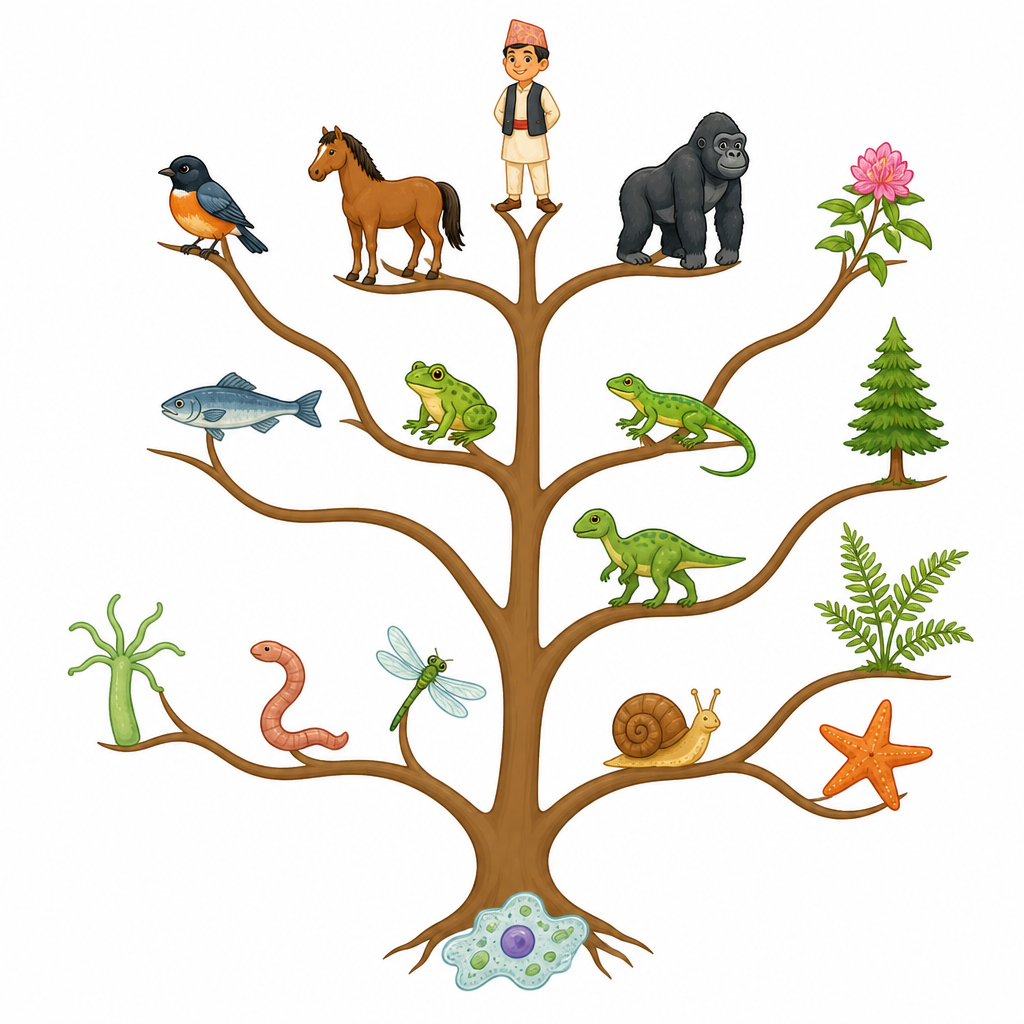
As living things kept changing without pause, their body structure moved from simple towards complex. In this sequence, animals without a backbone developed first, such as the hydra, the tapeworm, the earthworm, the butterfly, the millipede and the starfish. From the animals without a backbone developed simple backboned animals living in water, such as the sea horse and the fish. From the water dwelling animals came the amphibians, from the amphibians came the crawling animals, and through them developed complex backboned animals such as the horse, the elephant and the human being.
| Stage of development | Examples |
| Animals without a backbone | Hydra, tapeworm, earthworm, butterfly, millipede, starfish |
| Simple backboned animals living in water | Sea horse, fish |
| Amphibians | Frog |
| Crawling animals | Lizard, snake |
| Complex backboned animals | Horse, elephant, human being |
The Sequence of Evolution in Plants
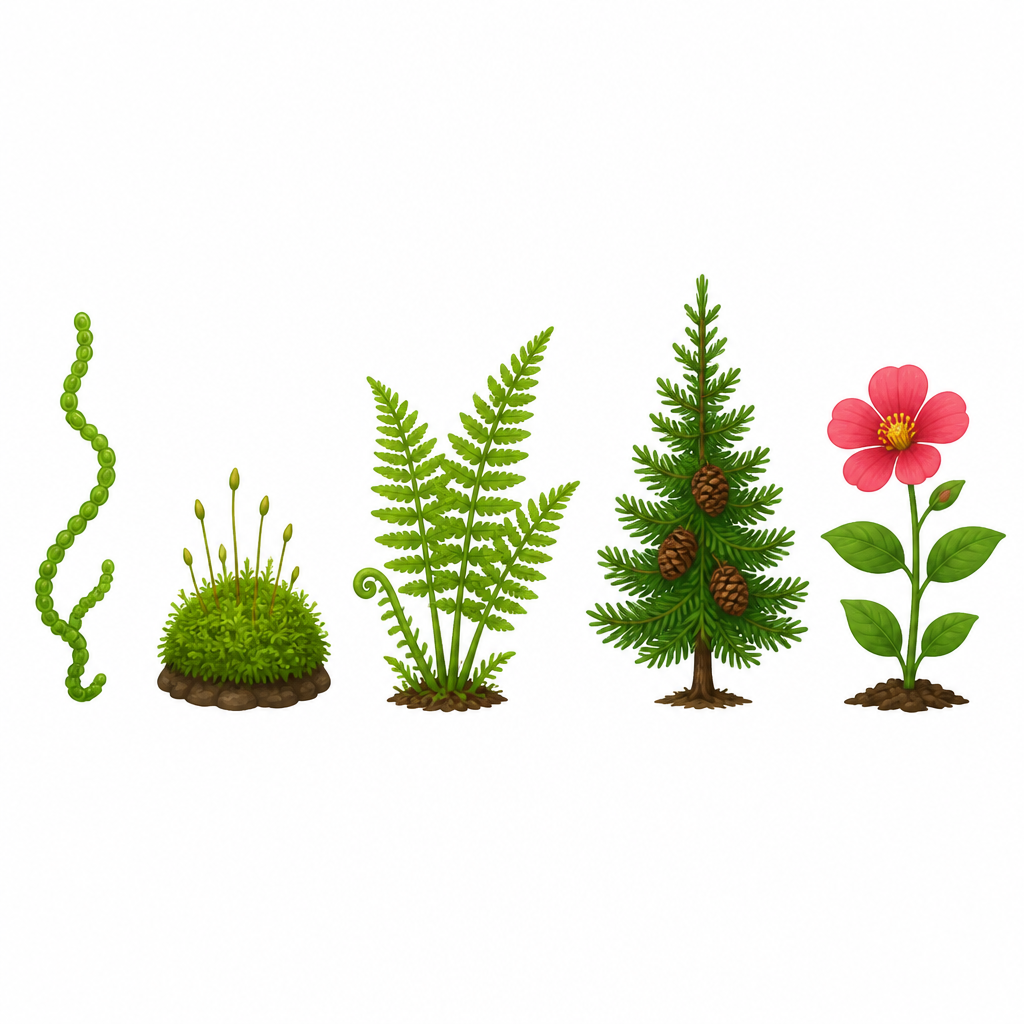
The same rule of development is seen in plants. Unicellular algae arose first, and after them multicellular algae developed. Along with the changing environment arose the more developed bryophyta and pteridophyta plants. Then in order, after the non flowering plants, came the gymnosperms and finally the flowering plants of complex structure, which arose and developed. This whole process, taken together, is what we call evolution.
- Unicellular algae
- Multicellular algae
- Bryophyta, the moss group
- Pteridophyta, the fern group
- Gymnosperms, cone bearing plants such as the pine
- Flowering plants of complex structure
The full lesson is waiting for you
The notes are free to read in full. A free account opens the rest of the practice, and tracks your progress and confidence score for every subject. Presentations and videos need approval from Learn Yeti.