How a Mushroom Forms and Spreads
After the rains we all see mushrooms springing up by themselves on rotting wood or on old straw. Under the cap of a mushroom hang thin plates called gills. A layer on the surface of the gills, called the hymenium, produces spores in enormous numbers. When the spores ripen, the air carries them in every direction. Wherever a spore finds suitable air, water, temperature and organic matter, it grows into a network of fine threads called mycelium. When that mycelium gets a favourable temperature and enough moisture, a small round button forms on it, and the button opens out into the umbrella shaped mushroom we recognise.
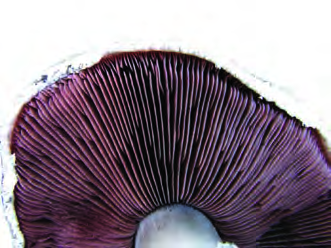
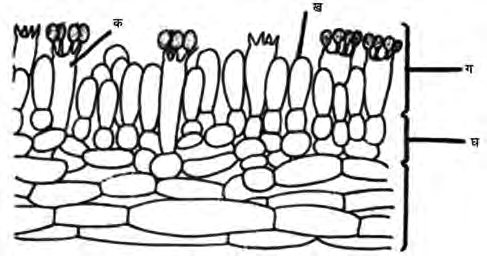
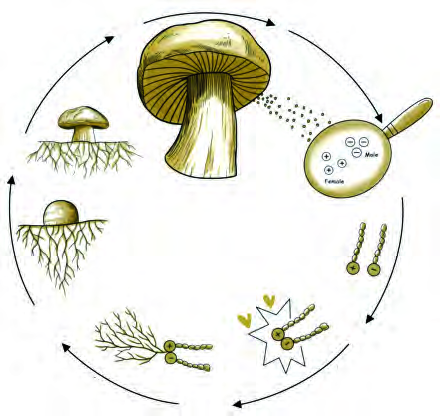
Mushroom farming is simply this natural process repeated under human control. The farmer buys mushroom seed, called spawn, spreads it in a place that offers food and moisture, such as boiled straw, and lets the mycelium spread through it. That is why it helps to remember how a mushroom forms on its own before learning the steps of farming one.
Uses of the Mushroom
Ancient religious texts already speak of mushrooms being eaten as food and used as medicine, so people have valued them for thousands of years. Modern science agrees: mushrooms are proven to be a healthy, nourishing food, rich in protein, vitamins and minerals, and completely free of cholesterol. The World Food Organisation has recommended mushrooms as a food item. Their importance can be looked at in two main ways: what they do for human health, and what they can earn for a family.
A mushroom is rich in protein, vitamins and minerals yet contains zero cholesterol, which is why the World Food Organisation itself recommends it as a food.
Why Mushrooms Matter for Human Health
A mushroom is an extremely healthful and nourishing food. It supplies vitamins, protein, fibre and minerals together, and it is juicy and tasty as well. Its value for health can be studied under four points: as a source of protein, of vitamins, of minerals, and as a medicine.
As a source of protein: measured on dry weight, a mushroom is about 19 to 35 percent protein, and that protein contains the essential amino acids the human body needs for growth. The table below shows how well this compares with everyday foods.
| Food | Protein by dry weight (percent) |
| Mushroom | 19 to 35 |
| Rice | 7.3 |
| Wheat | 12.7 |
| Soybean | 38.1 |
| Chicken meat | 18 to 20 |
As a source of vitamins: mushrooms are a good source of riboflavin (vitamin B2), niacin, pantothenic acid, thiamine (vitamin B1), biotin, folate and vitamin B12. For people who do not eat fish or meat, mushrooms are an especially valuable food, because some of these vitamins usually come only from animal foods.
As a source of minerals: mushrooms hold generous amounts of potassium, sodium, phosphorus, calcium, copper and iron. These minerals help the body build bone, make blood and keep the nerves working.
As a medicine: countries such as China, Japan and Korea discovered the medicinal qualities of mushrooms long ago. In Nepal too, Ayurvedic doctors in particular encourage people to eat them. Research shows that eating mushrooms regularly helps the body develop resistance against many diseases, including diabetes, high blood pressure and cancer. Medicines such as Concord and Sunchiha are produced from the red mushroom, and they are considered useful against asthma, diabetes, cancer, piles and diseases of the throat.
Economic Importance of Mushrooms
Because mushrooms are so nutritious and so valued as medicine, they are farmed commercially, and the farming earns a good income. Commercial mushroom farming also creates self employment, since it can be started on very little land with very little money. In Nepal, mushrooms are dried into sukuti and made into pickle using organic methods, and these products have become a source of income for many families.
Gucchi: a wild mushroom of the genus Morchella, called Gucchi in Nepal and found in Jumla and nearby districts. In the international market it sells for more than 500 US dollars per kilogram.
Oyster mushroom (Pleurotus ostreatus): the main mushroom farmed in Nepal. In Kathmandu it can be farmed from around March to November, that is, from the month of Chaitra through Kartik.
Button mushroom (Agaricus bisporus): the mushroom grown commercially in the hilly region of Nepal.
Mushroom Farming
Mushrooms can be farmed in several different ways, and the method changes with the species. Some mushrooms can be produced right at home with simple techniques, while others need special technology. The oyster mushroom is the most popular with Nepali farmers precisely because it can be grown on straw using a simple method that any family can follow. That method is described below.
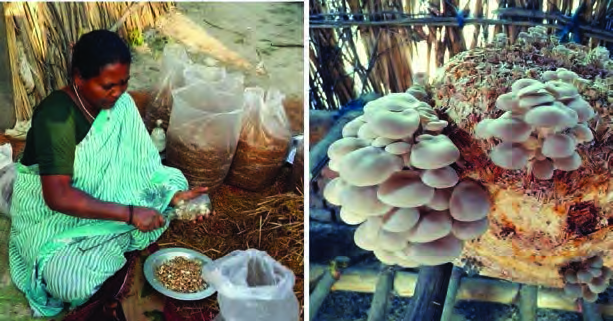
Growing Oyster Mushrooms on Straw
To farm oyster mushrooms, the following method is used:
- (a) Collect good quality straw and cut it into fine pieces of 1 to 2 inches.
- (b) Put the straw pieces in water and boil them well for about 15 to 20 minutes. Boiling kills the germs in the straw and makes it soft, and mushrooms grow well in straw treated this way.
- (c) Dry the boiled straw well, and after about one day pack the dried straw pieces neatly into plastic bags.
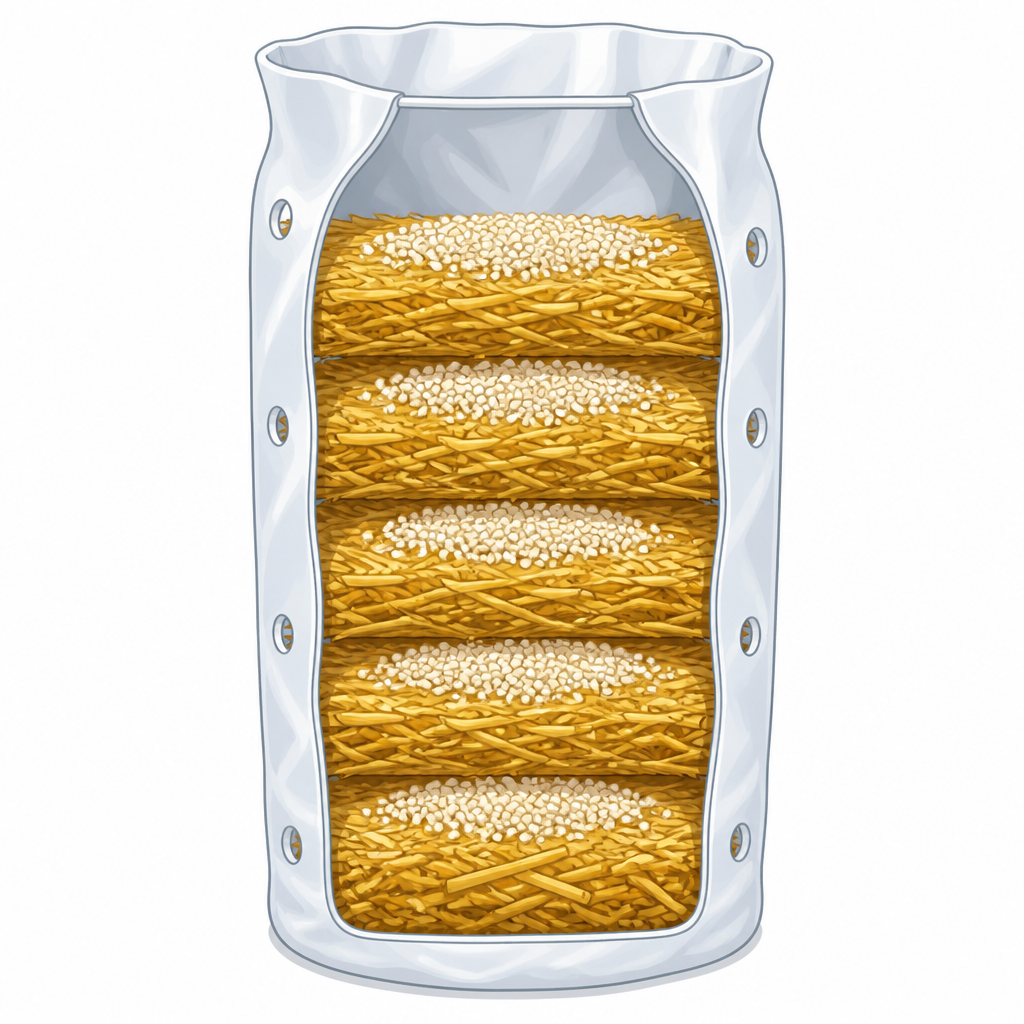
- (d) Arrange the straw in the bag layer upon layer, and sprinkle mushroom spawn on every layer.
- (e) Make usually 5 to 6 layers in one bag, keeping each layer 8 to 10 inches high.
- (f) Press the straw down firmly by hand, and make about 10 to 12 holes in the bag.
- (g) Keep the bag in a dark room for seven days. By the end of the seven days the inside of the bag is covered with a fine, cotton like white growth.
- (h) Make three or four holes in the plastic bag and sprinkle water as needed.
- (i) After about 10 days the mushrooms can be seen sprouting. At this stage the plastic must be cut and removed. After about 17 days mushrooms begin growing from the places where the holes were made.
- (j) After about 25 days the mushrooms are fully mature and can be picked.
When the straw is boiled for 15 to 20 minutes, both the water and the straw become scalding hot. Never lift the boiled straw with bare hands: use tongs or a stick, and work with it only after it has cooled completely.
Many beginners rush and fill the bag with unboiled or still wet straw. If the straw is not boiled, the germs in it are not destroyed, and it is they that grow instead of the mushroom. So boil the straw well and pack it only after it has dried for about a day.
The Farming Calendar
The whole method is easy to remember once the steps are laid out by days. Counting from the day the bag is filled and the spawn is sprinkled:
| Time | What is seen | What the farmer does |
| After 7 days | A fine white cotton like growth covers the straw inside the bag | Make three or four holes in the bag and sprinkle water as needed |
| After 10 days | Mushrooms are seen sprouting | Cut the plastic and remove it |
| After 17 days | Mushrooms start growing from the places where holes were made | Keep sprinkling water as needed |
| After 25 days | The mushrooms are fully mature | Pick the mushrooms |
The white cotton like growth that fills the straw after seven days is the mushroom's own mycelium. Mushrooms begin to fruit only after this network has spread right through the straw, which is why the bag is left undisturbed in a dark room for those seven days.
The full lesson is waiting for you
The notes are free to read in full. A free account opens the rest of the practice, and tracks your progress and confidence score for every subject. Presentations and videos need approval from Learn Yeti.