Kingdom Monera
Kingdom Monera contains all the prokaryotic microorganisms. These living beings are so small that the naked eye cannot see them; they appear only under a microscope. Bacteria are the main members of this kingdom. They were the first living beings to appear on the Earth, and even today they are found everywhere: in soil, water, air, hot springs and even inside our own bodies.
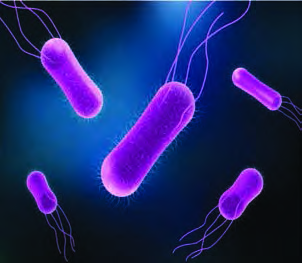
Prokaryotic organism: an organism whose cell has no definite nucleus. Its genetic material lies free inside the cell instead of being enclosed in a nuclear membrane.
The characteristics of the organisms of kingdom Monera are as follows:
- The organisms of Monera are prokaryotic living beings.
- Their cells have no definite nucleus. The genetic material is deoxyribonucleic acid, written in short as DNA.
- They can stay alive even in unfavourable conditions.
- They are autotrophic, parasitic, saprotrophic or symbiotic in nutrition. Symbiotic organisms remain linked to each other and live a shared life in which both partners gain.
Three Types of Bacteria in Monera
Kingdom Monera contains three types of organisms: Archaebacteria, Eubacteria and Cyanobacteria.
Archaebacteria are the oldest bacteria of all. They live in extreme habitats where other organisms cannot survive at all, such as very hot places, very salty water and marshy places. They contain chlorophyll, so they are autotrophic and prepare their own food. Hyperthermus and Pyrolobus are examples of archaebacteria.
Eubacteria are the true bacteria. Their outer covering, the cell wall, is made of a substance called peptidoglycan. They move with the help of flagella, the long whip like threads on their body. Rhizobium and Clostridium are examples of eubacteria.
Cyanobacteria are also called blue green algae. They too contain chlorophyll, so they are autotrophic. Nostoc, Anabaena and Spirulina are examples of cyanobacteria. The bluish green film often seen floating on ponds and paddy fields is usually a crowd of these organisms.
| Type | Main features | Examples |
| Archaebacteria | Oldest bacteria, live in extreme habitats such as hot, salty and marshy places, autotrophic because they contain chlorophyll | Hyperthermus, Pyrolobus |
| Eubacteria | True bacteria, cell wall made of peptidoglycan, move with the help of flagella | Rhizobium, Clostridium |
| Cyanobacteria | Also called blue green algae, autotrophic because they contain chlorophyll | Nostoc, Anabaena, Spirulina |
Kingdom Protista
Kingdom Protista contains unicellular organisms. Their whole body is made of a single cell, yet that one cell does every job of life: feeding, moving and reproducing. Unlike Monera, these organisms have a definite nucleus in the cell. If you look at one drop of pond or stream water under a microscope, you can watch these organisms moving about.
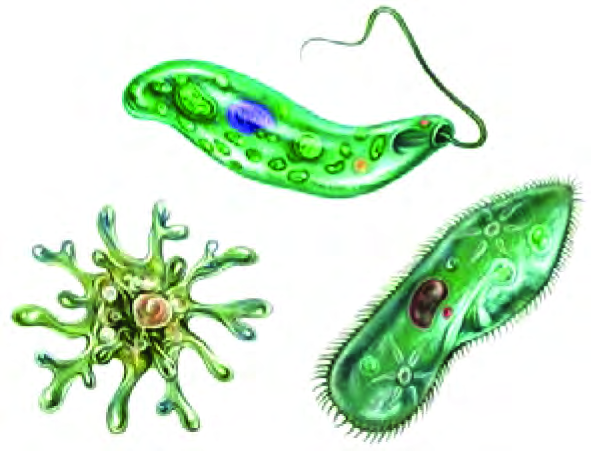
The characteristics found in the organisms of kingdom Protista are as follows:
- The organisms of this kingdom are eukaryotic. Their cell contains a nucleus.
- Most organisms of this kingdom are unicellular. The cell organelles are covered by membranes.
- Their bodies carry pseudopodia, cilia or flagella, which help them move about.
- Some unicellular eukaryotes are parasites. They suck their food from a host cell. Zooplankton are heterotrophic.
- They reproduce both asexually and sexually.
- Amoeba, euglena and paramecium are examples of this kingdom.
Pseudopodia: the temporary, foot like structures that organisms such as amoeba push out from the body to move and to catch food.
Three Groups of Protista
The cell of some organisms of Protista resembles an animal cell. Such organisms are called animal like protists, for example amoeba and paramecium. The cell of some others resembles a plant cell. Such organisms are called plant like protists. Their cell contains chlorophyll, so they carry out photosynthesis, for example euglena and diatoms. The cell of a few organisms resembles a fungus. Such organisms are called fungus like protists, for example slime mold and water mold.
| Group | Feature | Examples |
| Animal like protists | Cell resembles an animal cell | Amoeba, paramecium |
| Plant like protists | Cell contains chlorophyll and carries out photosynthesis | Euglena, diatoms |
| Fungus like protists | Cell resembles a fungus | Slime mold, water mold |
Euglena is a strange organism. It swims with a flagellum the way an animal moves, yet it also contains chlorophyll and makes food by photosynthesis the way a plant does. Kingdom Protista is needed exactly for organisms like this, which carry the qualities of both animals and plants.
Kingdom Fungi
Kingdom Fungi contains organisms such as molds and mushrooms. They are multicellular decomposers. They rot down dead and decayed organic matter, so they play a big role in keeping nature clean.
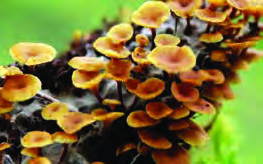
The body of a fungus is made of a web of fine thread like structures. This web is called the mycelium. When you look closely at mold on bread, the white cotton like part you see is this very mycelium.
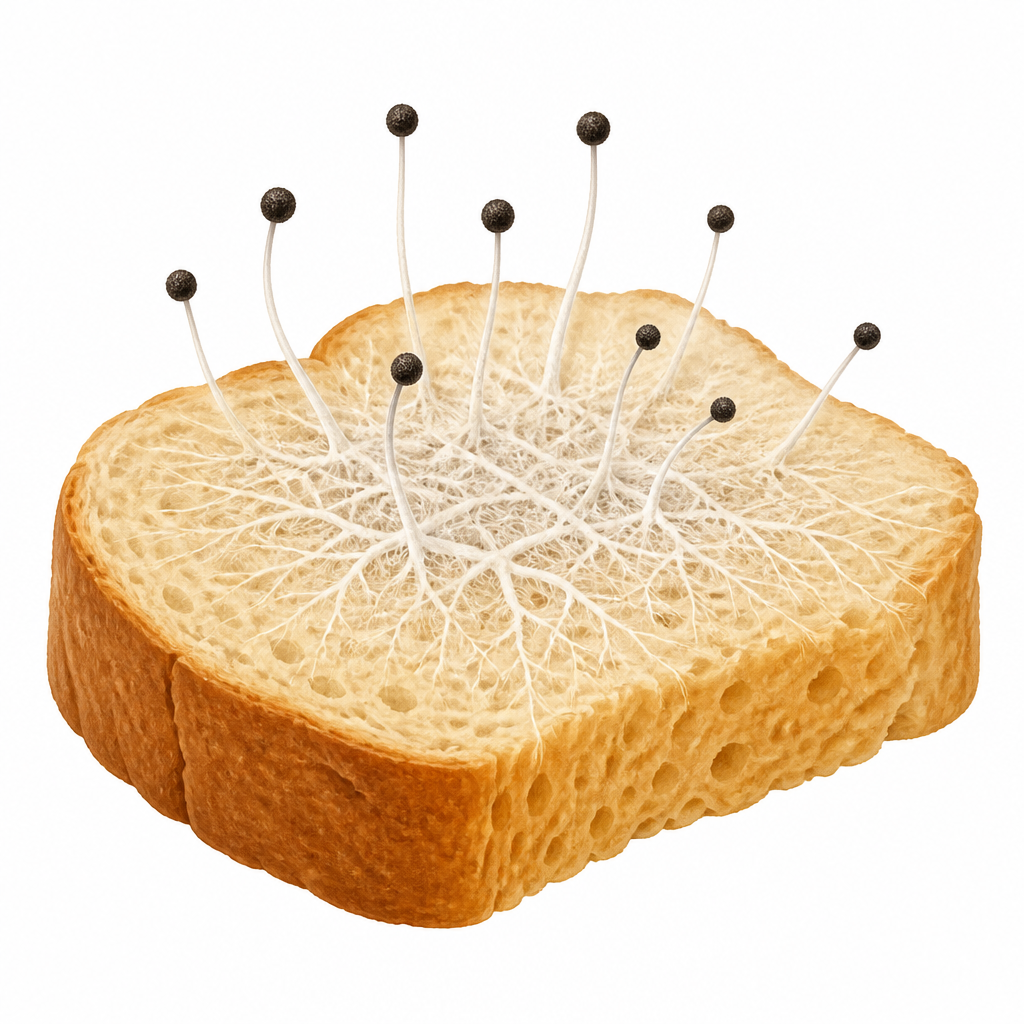
Thalloid body: a body that is not differentiated into root, leaf and stem. The body of a fungus is thalloid.
The characteristics of the organisms of kingdom Fungi are as follows:
- The organisms of kingdom Fungi have no chlorophyll. They include unicellular organisms such as yeast and multicellular ones such as mushrooms and molds.
- These organisms are mostly saprotrophic, which means they obtain their food from rotten and decayed organic matter.
- Their body is thalloid, which means it is not differentiated into root, leaf and stem.
- Their body is made of a mycelium.
- They reproduce both asexually and sexually.
- They store their food in the form of glycogen.
- The unicellular fungus yeast is used in the process of fermentation, for example in making alcohol and in bakery products such as bread.
- Mucor, yeast and mushroom are examples of this kingdom.
A mushroom is not a plant just because it grows out of the ground. It has no chlorophyll, it cannot make its own food, and it stores food as glycogen rather than starch. That is why a mushroom belongs to kingdom Fungi.
Kinds of Fungi by Nutrition
On the basis of how they obtain nutrition, fungi are of three kinds, as follows:
Saprotrophic fungi: fungi that obtain their nutrition from dead and decayed organic matter, for example Mucor, mushroom and Penicillium.
Parasitic fungi: fungi that obtain their nutrition from the body of other living organisms, for example Puccinia and Taphrina.
Symbiotic fungi: fungi that live in an interdependent relationship with other organisms. In such a relationship both organisms benefit from each other.
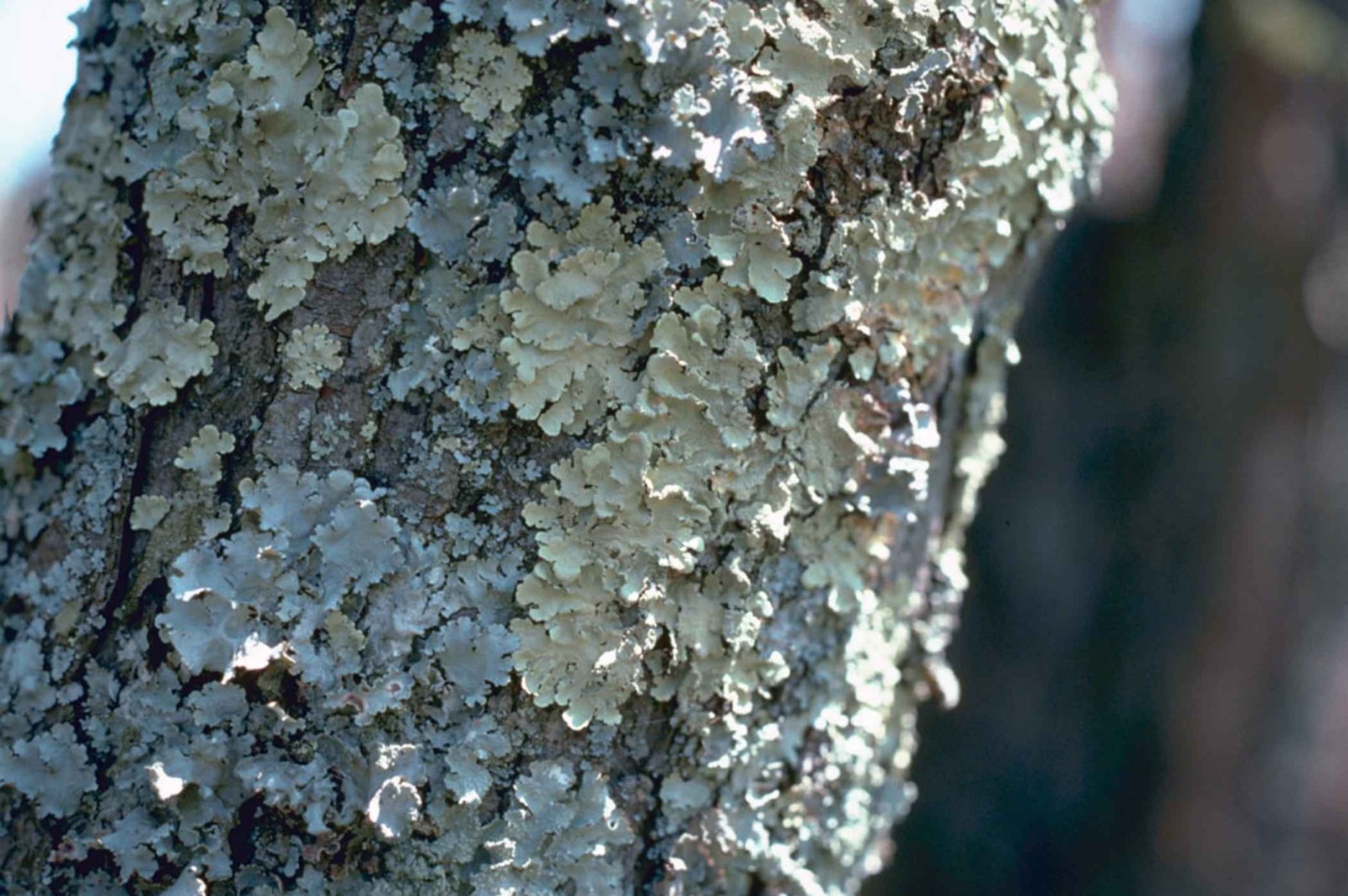
The best example of symbiotic fungi is the lichen. When an alga and a fungus live in an interdependent relationship, it is called a lichen. In it, the fungus gives the alga shelter and supplies water, while the alga prepares carbohydrate for the fungus. In this way each partner is incomplete without the other.
Yeast is not a protist or a bacterium just because it is unicellular. Its cell has a definite nucleus, it has no chlorophyll and it stores glycogen, so yeast belongs to kingdom Fungi.
The full lesson is waiting for you
The notes are free to read in full. A free account opens the rest of the practice, and tracks your progress and confidence score for every subject. Presentations and videos need approval from Learn Yeti.