Metals Around Us
Many kinds of substances surround us, and some of them are elements. Elements are sorted into three groups: metals, metalloids and non-metals. We use all three, but we use metals far more than the others. The pots and pans in a kitchen, the buses and motorbikes on a road, the wires that bring electricity into a house, and devices such as fans and mobile phones are all made largely of metal.
Metals are sometimes found pure, but most are found combined with other elements as compounds. Metals are even inside living things. Our blood contains iron, which helps it carry oxygen, and chlorophyll, the green substance in plants, contains magnesium. Because metals run through both our daily life and our own bodies, they are worth studying closely.
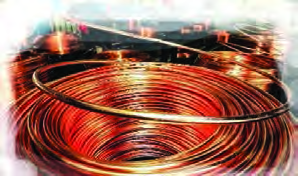
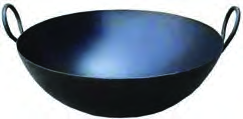
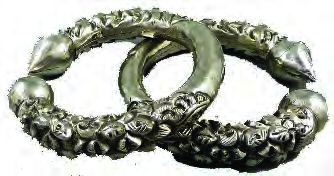
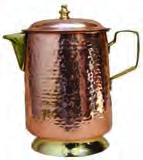
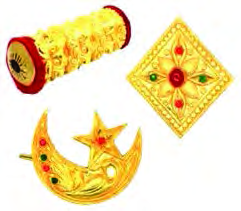
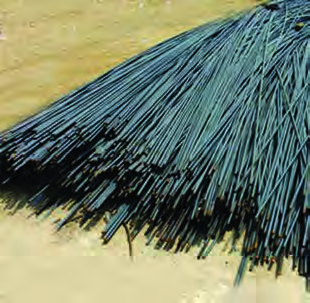
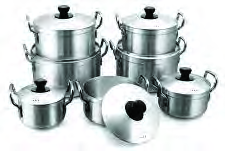
Look at the objects below and think about which metal each is made of, and why that metal was chosen. They are copper wire, an iron wok, silver bangles, a copper jug, gold ornaments, iron rods used in buildings, and aluminium cooking pots.
Properties of Metals: Two Kinds
The properties of metals fall into two groups: physical properties and chemical properties. A physical property is one we can see or test without turning the metal into a new substance. When copper is drawn into a wire, it is still copper. This topic deals with the physical properties only.
Physical property: a property that can be observed or tested without changing the substance into a new substance, such as colour, shine, hardness or melting point.
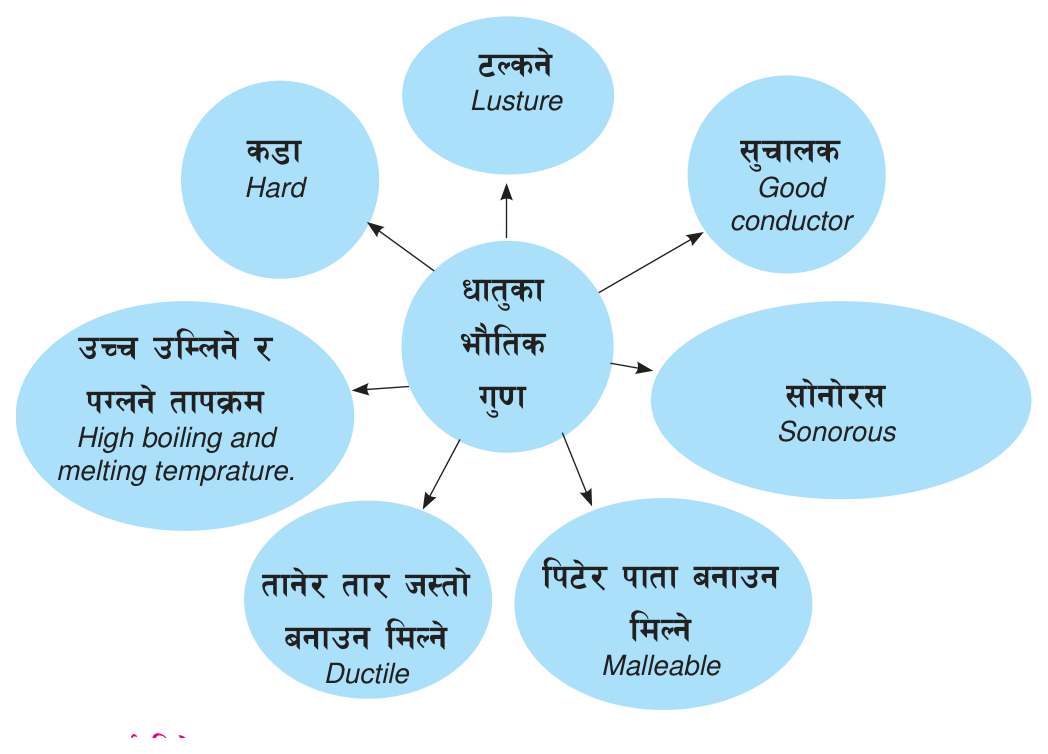
The main physical properties of metals are these: metals have lustre, meaning they shine; they are hard; they are good conductors of electricity and heat; they are sonorous, meaning they ring when struck; they are malleable, so they can be beaten into sheets; they are ductile, so they can be drawn into wires; and they have high melting and boiling points. A freshly cut or rubbed metal surface reflects light, which is why metals look shiny. The other properties are explained one at a time below.
1. Metals Can Be Beaten into Sheets: Malleability
Place a soft iron nail, a piece of copper, a piece of aluminium and a coin on a hard stone and strike each with a hammer. None of them shatters. Each one spreads out and becomes flatter, like a sheet. Strike a lump of sulphur or a piece of charcoal in the same way and it breaks into powder. Metals such as iron, copper, aluminium, tin, silver and gold flatten into sheets, while non-metals such as sulphur and carbon crumble.
Malleability: the property of a metal that allows it to be beaten into thin sheets.
Why can metals do this? The atoms of a metal are held together by a metallic bond. When the metal is hammered, layers of atoms slide over one another, but this bond does not break. The atoms move without separating, so the metal spreads instead of cracking. Aluminium foil in a kitchen, thin gold sheets for jewellery and corrugated iron roofing sheets all exist because of this property.
Hammer the samples only while a teacher or parent is watching. Keep your fingers away from the object, and protect your eyes, because pieces of sulphur and charcoal can fly off.
2. Metals Can Be Drawn into Wires: Ductility
The electric wires in a house are made of copper or aluminium, and the wire used for fences is made of iron. All these wires are made by pulling a metal, often after heating it, until it becomes long and thin. Pulling changes only the shape. A thin wire drawn from a thick copper rod is still copper.
Ductility: the property of a metal that allows it to be stretched into long, thin wires.
The reason for ductility is the same as the reason for malleability. As a metal is pulled, its atoms slide past one another while the metallic bond keeps holding them together. The metal stretches longer instead of snapping. Non-metals such as charcoal and sulphur have no such bond, so they cannot be drawn into wire.
3. Metals Conduct Electricity
A small circuit can test which materials let electricity pass. A dry cell, some wire, a small bulb and a switch are joined together, with a gap left between two points, A and B. Different objects are placed across the gap one at a time to complete the circuit.
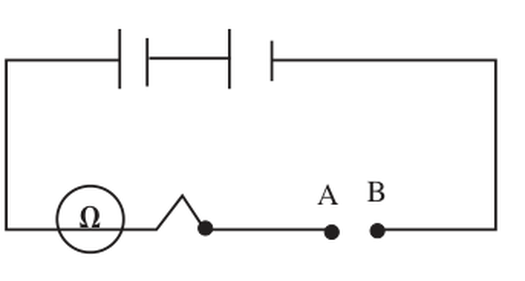
With aluminium wire, copper wire, an iron nail, a coin or a piece of zinc across the gap, the bulb lights. With sulphur, charcoal, wood or paper, it stays dark. So metals are good conductors of electricity and non-metals are poor conductors, also called insulators. The reason lies in the atoms of a metal: they have free, mobile electrons that can move easily through the metal, and the flow of these electrons is the electric current.
Good conductor: a material that lets electricity or heat pass through it easily. Poor conductor (insulator): a material that does not let electricity or heat pass through it easily.
This is why electric wires have a copper or aluminium core inside a plastic covering. The metal carries the current, and the plastic keeps it from reaching our hands.
Do this test with a dry cell only. Never push any object or wire into a mains socket at home.
4. Metals Conduct Heat
Take an iron nail, a steel spoon, a strip of aluminium, a pencil and a piece of wood. Hold one end of each in turn and gently warm the other end in a flame. With each metal object, the end you are holding soon grows warm. The end of the pencil and the wood stays cool.
Heat travels from one end of a metal to the other, but it does not travel along a non-metal. Metals are therefore good conductors of heat, and non-metals are poor conductors of heat. Once again the free, mobile electrons are the reason, because they carry energy quickly from the hot part to the cool part. Cooking pots are made of aluminium, steel or iron so that heat reaches the food, while their handles are made of wood or plastic so that they do not burn the hand.
Warm the objects only gently and only with an adult watching. Let go of a metal object as soon as you feel it getting warm, or it can burn your hand.
5. Metals Ring When Struck: Sonority
Strike a metal plate with a rod and it gives a clear ringing sound that goes on for a moment. Temple bells and school bells make the same kind of sound. Strike a wooden plank or a stone and you get only a short, dull knock. Because metal rods, sheets and bells ring when struck, bells, cymbals and ankle bells are all made of metal.
Sonorous: describes a metal that makes a ringing sound when it is struck. The property is called sonority.
6. Most Metals Are Hard
Feel, cut and scratch an iron sheet, an aluminium sheet, a copper pot, a piece of charcoal and a lump of sulphur with an iron nail, and the difference is clear. The metals are hard to cut, scratch or break. Non-metals such as charcoal and sulphur are soft, scratch easily and break apart. So most metals are hard and most non-metals are soft. Its hardness is why iron is used in buildings and bridges.
Not every metal is hard. Sodium and potassium are metals, yet they are so soft that a knife cuts them easily. On the other side, diamond is a non-metal, a form of carbon, and it is the hardest substance of all.
7. High Melting and Boiling Points
The atoms of a metal pull on one another with strong forces of attraction, and a great deal of heat is needed to overcome them. This is why most metals are strong and hard, and why they have high melting points and boiling points. Iron, for example, melts at about 1538 °C and copper at about 1085 °C, while sulphur, a non-metal, melts at only about 115 °C. Non-metals usually have low melting and boiling points.
Melting point: the temperature at which a solid melts and becomes a liquid. Boiling point: the temperature at which a liquid boils and becomes a gas.
The kitchen shows why a high melting point matters. An iron wok sits on the fire without melting, but a plastic bowl placed there would melt at once.
Metals and Non-metals Side by Side
| Property | Metals | Non-metals |
| When hammered | Flatten into sheets | Break into pieces |
| When pulled | Form long wires | Cannot form wires |
| Electricity | Good conductors | Poor conductors |
| Heat | Good conductors | Poor conductors |
| When struck | Ring | Make a dull sound |
| Hardness | Mostly hard | Mostly soft |
| Melting and boiling points | Mostly high | Mostly low |
Three causes explain the whole list. The unbroken metallic bond lets metals become sheets and wires. Free, mobile electrons let them conduct electricity and heat. Strong attraction between atoms gives them high melting points.
Words from This Topic
- Malleable: can be hammered into thin sheets
- Ductile: can be drawn out into thin wires
- Metallic bond: the bond that holds the atoms of a metal together
- Conductor: lets electricity or heat pass easily
- Insulator: does not let electricity or heat pass easily
- Sonorous: rings when struck
- Melting point: the temperature at which a solid becomes a liquid
- Boiling point: the temperature at which a liquid becomes a gas
The full lesson is waiting for you
The notes are free to read in full. A free account opens the rest of the practice, and tracks your progress and confidence score for every subject. Presentations and videos need approval from Learn Yeti.