Digital technology and the growth of information technology
Not long ago, sending a photograph to a relative working abroad meant printing it, putting it in an envelope and waiting weeks for it to arrive. Today the same photograph reaches the other side of the world in a few seconds from a mobile phone. This change came from digital technology, which handles every kind of information, whether sound, picture or text, as patterns of 0 and 1.
The development of digital technology has improved the quality of information and technology, and it has also made its use far more common. Modern telecommunication, internet facilities, digital media and digital TV all became possible because of it. Even the speed of an internet connection is now something anyone can measure on a phone in a few seconds.

The change is easiest to see in four places: telecommunication, digital media, digital TV and the small digital devices that people use every day.
Digital telecommunication
Telecommunication means sending information such as voice, text or pictures over a long distance. Digital communication has made this very fast. It has also made it possible to send many telephone calls at the same time through a single channel or bandwidth. A channel is the path along which a signal travels, for example a cable, an optical fibre, or radio waves passing between two towers.
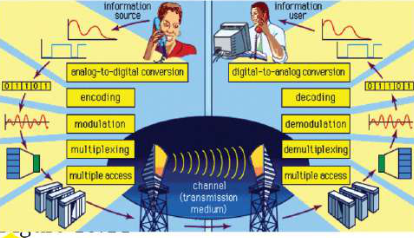
Follow a call from the person speaking to the person listening. On the sending side the signal passes through these stages, in this order:
- Analogue-to-digital conversion: the speaker's voice is a smooth analogue wave, and it is turned into a string of 0s and 1s.
- Encoding: the digital code is arranged in a form that can be kept secure and checked for errors.
- Modulation: the code is loaded onto a carrier wave that can travel a long distance.
- Multiplexing: the signals of many callers are combined so that they can share one channel.
- Multiple access: many users are allowed onto the same channel without their signals getting mixed up.
- Channel: the signal travels through the transmission medium to the receiving tower.
- At the receiving side the same work is done in reverse: multiple access, demultiplexing, demodulation, decoding and digital-to-analogue conversion. The listener then hears the voice.
Multiplexing: the process of combining many signals so that they travel together through a single channel. Separating them again at the receiving end is called demultiplexing.
Because many calls can share one channel, a single link between two towers can carry thousands of conversations at once. This is why digital phone networks are fast and cheaper to run.
Digital media
These days there are many ways to receive and share information: news websites, video sites, e-mail, messaging apps, music apps, online games and online storage. The electronic devices used for communication are called digital media. Through them people create new digital content, such as a video or a blog post, watch the news, and send information online.
Digital media: the electronic devices used for communication, through which information is created, received and shared in digital form.

Think of a student in Dhangadhi who watches a science video made in Kathmandu, writes a comment under it and shares it with a friend in Ilam, all within a few minutes. Creating, watching and sharing are all done through electronic devices, so all three are uses of digital media.
Digital TV
Television has become digital too. Digital TVs come in different shapes and have their own special features. High-definition (HD) TVs, which show very sharp and clear pictures, are made with the latest digital technology. A digital TV signal can reach a viewer in four different ways.
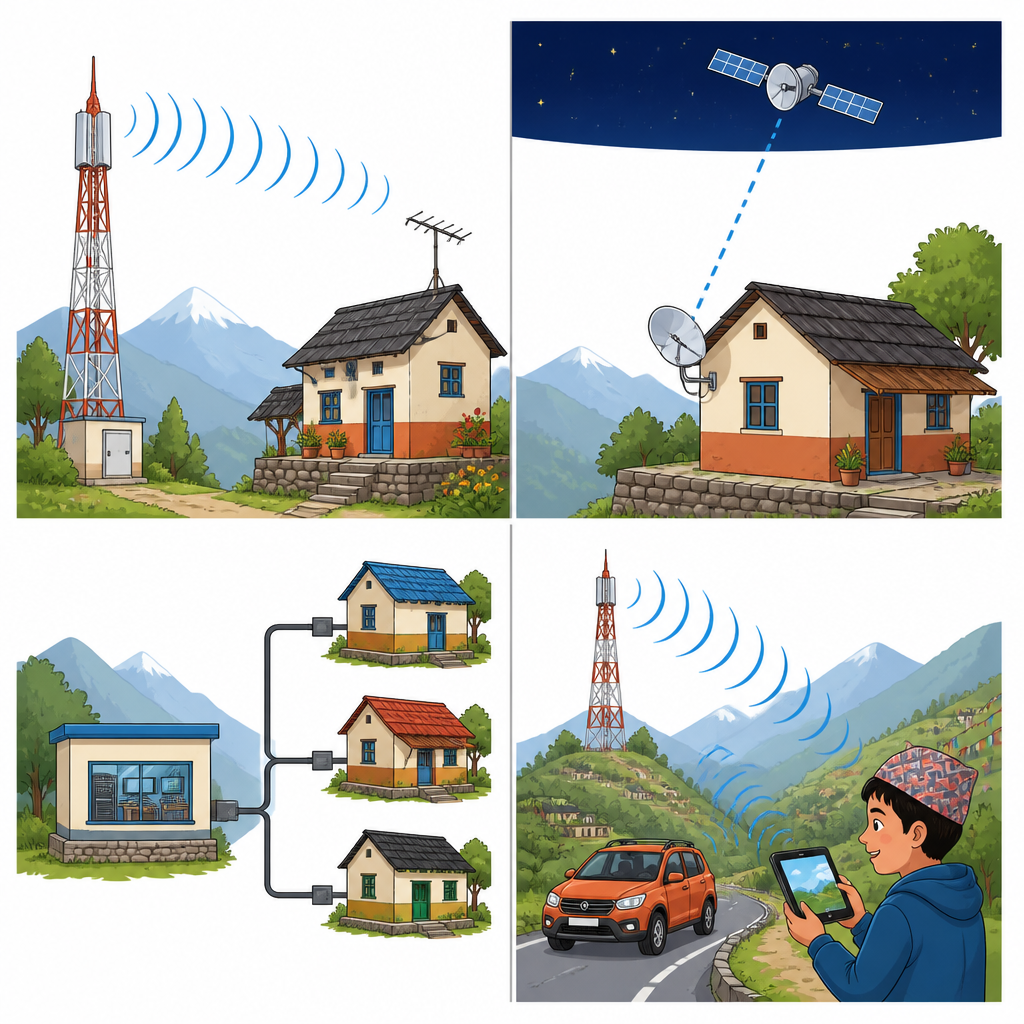
| Type | How the signal reaches the viewer |
| Terrestrial | A transmitter tower on the ground sends the signal through the air to an antenna on the house. |
| Satellite | A satellite in space sends the signal down to a dish antenna fixed at the house. |
| Cable | A cable operator's centre, called the headend, sends the signal through cables to many homes. |
| Mobile or portable | The signal is received on phones, handheld devices and car receivers while people are travelling. |
Dish TV has expanded its television service to different parts of the country. Because its signal comes down from a satellite, a house in a remote hill village with no cable line can still watch many channels using a small dish antenna.
Digital devices in daily life
Digital devices are products of the development of digital technology, and they have made human activities very easy. They are used in many fields, such as education, health, entertainment and finance. A digital device shows its result as numbers or letters on a screen, or stores it as a digital file.


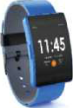
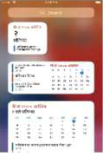
A few more devices that most families already own work in the same digital way:
| Device | What it does | Field |
| Infrared and digital thermometer | Measures body temperature and shows it as a number | Health |
| Calculator | Does calculations quickly and shows the answer in digits | Education |
| Online newspaper | Brings the day's news to a phone or computer | Information |
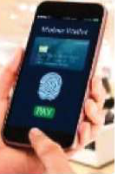
| Digital wallet | Keeps money in a phone app and makes payments | Finance |
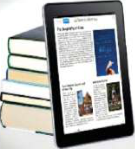
| Online library | Lets people read books and reference materials on a screen | Education |
| Speedometer | Shows how fast a vehicle is moving, in digits | Transport |
| Digital camera | Takes pictures and stores them as digital files | Entertainment |
| Smartwatch | Shows the time and can count steps and heartbeats | Health |
| Calendar | Shows dates, events and reminders | Daily planning |
Digital technology makes life easier, but its misuse and careless use can also create problems. So its effects on daily life are of two kinds, positive and negative.
Positive effects of digital technology
As digital technology keeps developing, the number of its users keeps growing, and some of these technologies even change the way their users live. The main positive effects are these.
Digital library: a library that keeps digital versions of textbooks and other reading materials, which can be read on a screen.
A digital library helps people build the habit of reading, because books are always within reach on a phone or computer. The CDC library, for example, keeps various textbooks and reference materials in digital form. In the same way, anyone with the internet and a smartphone can read online newspapers. www.gorkhapatraonline.com is one such online portal.
Digital payment: paying money electronically, through a phone app, card or bank service, instead of handing over cash.
Digital payment solves the problem of carrying a lot of cash for shopping. Many shops and stalls now hang a QR code. The buyer scans it with a phone app, types the amount and confirms, and the money goes straight into the seller's bank account.
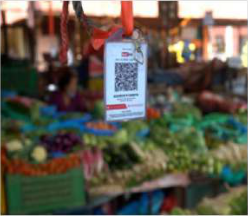
Digital payment is not only for shopping. It is also used to pay taxes and to book bus and plane tickets without standing in a queue.
- Online business: goods and services are advertised and sold through the internet, so a small maker of dhaka cloth in Palpa can sell to customers all over the country.
- Social networks: they give people the chance to express their opinions in public, and they keep people connected digitally even when they are far apart physically.
- Entertainment: many games and music applications are now available for people's entertainment.
Online business: promoting and selling goods and services through the internet.
Negative effects of digital technology
Digital media has a direct impact on our lifestyle, and not all of it is good. The main negative effects are these.
- People who spend too much time online show changes in their social behaviour, that is, in the way they interact with others.
- Crimes can be committed through social media and can affect a person's personal, family and social life. When someone's reputation is damaged, it causes mental stress.
- Heavy use of digital material has reduced the use of physical material, such as printed books and newspapers, and this leads to a loss of business opportunities.
- Children who sit with screens instead of playing get too little physical exercise, which leads to problems like obesity and weakness.
- Digital games full of murder and violence harm a person's mental health and social well-being, and they spread antisocial behaviour.
- Misuse of digital technology harms other people through activities such as cybercrime, for example stealing someone's password or money online.
Never share your password, PIN or the one-time code sent by a bank with anyone, even a friend. Before confirming a QR payment, check that the name shown on your phone is the seller's name.
The same phone that opens a digital library can also open a violent game. The effect of digital technology depends on how it is used.
Netizen
Both the good and the bad effects above come mostly through the internet. Internet users all over the world spend long hours doing the same common activities: reading news, chatting, shopping, playing and learning. The term netizen is used for such people. The word joins two words, net, meaning the internet, and citizen.
Netizen: a person who uses the internet regularly and spends a long time taking part in its common activities.
A citizen of a country has duties as well as rights, and so does a netizen. A good netizen uses the internet to learn and to help others, respects other people's privacy, checks whether a piece of news is true before sharing it, and keeps time aside for study, sleep, family and outdoor play.
The full lesson is waiting for you
The notes are free to read in full. A free account opens the rest of the practice, and tracks your progress and confidence score for every subject. Presentations and videos need approval from Learn Yeti.