What Asthma Is
Every time we breathe in, air enters through the nose or mouth, travels down the windpipe and reaches the lungs. Inside the lungs the windpipe divides again and again, like the branches of a tree, into thinner and thinner tubes. While these tubes stay open and clear, air moves in and out so easily that we do not even notice we are breathing. Sometimes, though, these same tubes become narrow and air struggles to get through. Asthma is about exactly this problem.
Asthma: a condition in which the air tubes, or the parts joined around them, swell up so that air has difficulty getting into the lungs and breathing becomes a problem. Asthma is less a disease on its own than a symptom of diseases.
Calling asthma a symptom rather than a disease means that asthma is a signal of some other trouble in the body. An infection of the lungs or air tubes, an allergy to some substance, or the effect of dust and smoke can all upset the air tubes, and the result shows up as asthma. So a person with asthma should ask not only why breathing is hard right now, but also what lies behind it. Only when the cause is known can the right way of avoiding it be chosen.
What Happens Inside the Airways
During asthma the fine air tubes inside the lungs narrow in two ways. First, the tubes tighten, so the passage inside them becomes smaller. Second, the tubes swell and puff up, which makes the passage narrower still. Through such a narrow passage it is hard both to pull air in and to push it out. Think of drinking juice through a wide straw and then through a very thin one: the thin straw takes far more effort and gives far less juice. Breathing through narrowed air tubes feels just like that.
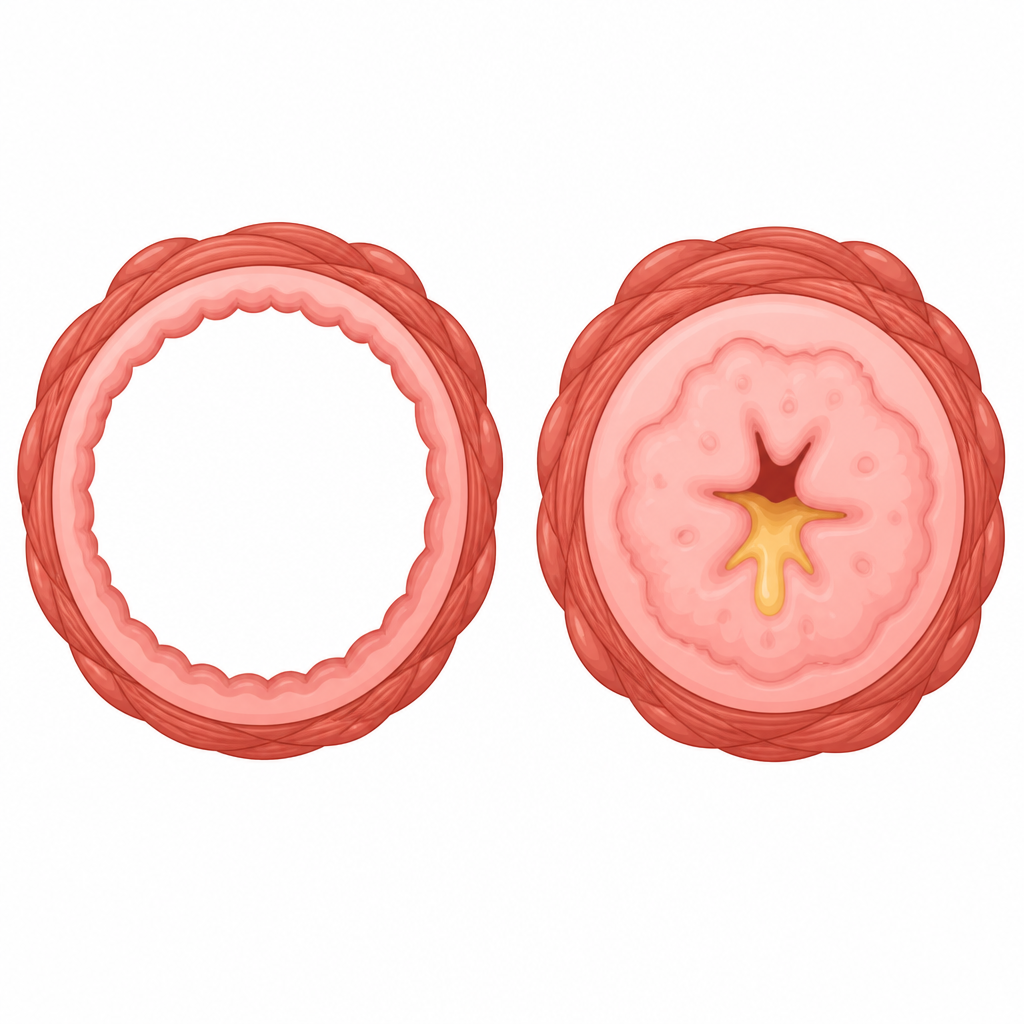
This tightening and swelling of the tubes is caused mainly by dust, smoke, cold, pneumonia and bronchitis. Pneumonia and bronchitis are illnesses of the lungs and air tubes. Dust, smoke and cold air, on the other hand, are things we meet every day at home, on the road and at school. That is why so many ways of preventing asthma are about these everyday things.
The heart of asthma is a narrowed path: the air tubes tighten, swell and puff up, so air cannot move in and out freely.
Allergens and Irritants
For some people, breathing becomes hard as soon as certain substances reach their air tubes. These substances are put into two groups.
Allergens: substances that cause an allergy. Examples are the pollen that floats in the air during the flowering season and the fine dust inside a house.
Irritants: substances that cause discomfort by bothering the air tubes. Examples are cigarette smoke, smoke from a wood fire and smoke from vehicles.
When allergens and irritants come into contact with the air tubes and breathing then becomes a problem, that is asthma. Not everyone is affected by the same thing. One person may react to house dust, another to pollen or to cold air. So the most useful thing a person with asthma can do is find out exactly what affects them and keep away from it.
Who Gets Asthma and How an Inhaler Helps
Asthma usually appears in old people and in children. So if there are grandparents or small brothers and sisters at home, their breathing deserves special care. Everyone in the family can help by keeping smoke out of the room where they stay, keeping that room safe from the cold, and taking them for a check-up in good time if a cough will not go away.
Inhaler: a device used when asthma gets worse and breathing becomes very hard; it opens up the air tubes inside the lungs that have become narrow.
When a person's asthma gets worse and breathing becomes very hard, an inhaler should be used in place of other medicines. When the inhaler is held to the mouth and the person breathes in, the medicine inside travels with the breath straight into the lungs and opens the narrowed tubes. Once the tubes open, air can move again and breathing becomes easier.
If a dry cough keeps coming back or any breathing problem appears, get checked at a health facility. The health worker who examines the person is the one who explains when and how an inhaler is used.
Causes of Asthma
The causes of asthma can be understood in three groups: personal, environmental, and social and economic.
- Personal causes: heredity (asthma running in the family), infection of the lungs and air tubes, obesity, and smoking
- Environmental causes: stress, environmental pollution, smoke, dust, allergy from the extra pollen in the flowering season, smoking and drinking alcohol
- Social and economic causes: overcrowding; living, because of poverty, in a small, damp and cold room; sleeping and cooking in the same room; and being in contact with a lot of smoke and dust
Personal causes belong to a person's own body and habits. If parents or grandparents have asthma, the chance of it appearing in their children rises; this is called a hereditary cause. Repeated infections of the lungs or air tubes leave the tubes weak and easily upset. Being very overweight, which is called obesity, also makes breathing harder work. And a person who smokes sends smoke straight into their own air tubes.
Environmental causes come from the place and surroundings we live in. Pollution from factories and vehicles, dusty roads, smoke, and the pollen that spreads through the air in the flowering season all affect the air tubes. Stress can also make breathing fast and uncomfortable. Smoking and drinking alcohol weaken the body as well.
Social and economic causes are linked to a family's income and living conditions. When poverty forces many people to live in one small, damp and cold room, the air there never stays clean. Cooking over a wood fire in the same room where the family sleeps means that smoke goes into their lungs all night. Infections also spread quickly in overcrowded places.
Symptoms of Asthma
Once the air tubes narrow, the body shows it in several ways. The main symptoms of asthma are:
- breathing fast
- breathing feels uncomfortable
- coughing again and again
- coughing that disturbs sleep
- a rattling sound in the breath
- a whistling sound when breathing
- pain felt in the chest
- beads of sweat on the forehead
- getting badly out of breath even on a short uphill climb
These symptoms come straight from the narrowed air tubes. When air is forced out through a narrow passage it makes a whistling or rattling sound. When too little air gets in, the body tries to make up for it by breathing fast. Working so hard to breathe brings sweat to the forehead and pain to the chest. A cough that wakes a person at night is another sign of asthma. If a friend gets badly out of breath on even a short uphill walk, it should not be brushed aside.
Ways to Prevent Asthma
Many of the things that bring on asthma are part of daily life, so keeping away from them protects us from asthma to a large extent. The ways to prevent asthma are:
- have an allergy test done and keep away from whatever substance causes the allergy
- wear warm clothes
- do not eat cold food straight from the fridge
- get checked if a dry cough or a breathing problem appears
- stay away from dust and smoke
- do not smoke or drink alcohol
- do not go to crowded places
- do not use a heater too much in the bedroom
These measures are easier to remember when each is matched to a cause above. Cold makes the tubes tighten, which is why warm clothes and avoiding cold food from the fridge are advised. Dust and smoke are irritants, so they must be avoided. Running a heater for long in a bedroom leaves the air dry and stuffy, so that too should be kept to a minimum.
| Cause | Way to prevent it |
| Allergy to pollen or dust | Have an allergy test and keep away from that substance |
| Cold | Wear warm clothes, do not eat cold food from the fridge |
| Smoke and dust | Stay away from dust and smoke |
| Smoking and drinking alcohol | Do not smoke or drink alcohol |
| Overcrowding | Do not go to crowded places |
| Infection of the lungs and air tubes | Get checked when a dry cough or breathing problem appears |
The best protection against asthma is to know what affects you, keep away from it, and get checked as soon as symptoms appear.
The full lesson is waiting for you
The notes are free to read in full. A free account opens the rest of the practice, and tracks your progress and confidence score for every subject. Presentations and videos need approval from Learn Yeti.