Guessing About the Future
Nobody knows the future for certain, but we talk about it all the time. English gives us special helping words for this. When we are only guessing, we say may or might. When the clues are so strong that we feel sure, we say must. Look at each picture below and make a guess about what will happen. A girl standing beside a swimming pool may swim. Two bulls facing each other in a field must fight, because that is what bulls do when they meet like that. Thick dark clouds tell us it might rain. A runner leading on the track may win the race.
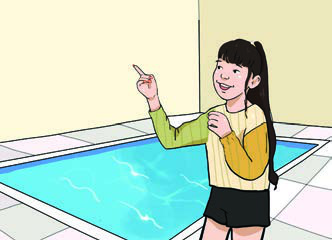
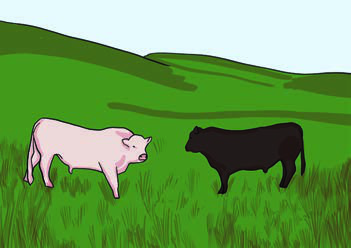
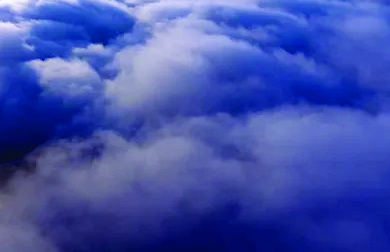
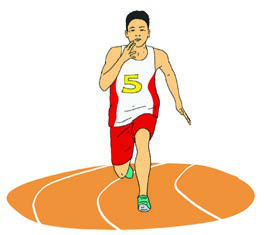
This song uses may and might in exactly this way. The speaker is not sure of anything, yet still full of hope. Sing it and listen for the guessing words.
Of all the children in my school,I may not be the tallest.Of all the voices in the world,Mine may be the smallest.But I can almost touch the stars,If I stand on my toes.And soon my words might change the world,So, you'd better listen close.
The singer is a small child with a small voice. Standing on tiptoe, the child can almost touch the stars. The most powerful line is the guess at the end: my words might change the world. Even a small voice can carry a big idea, and that is what this whole unit is about, because the reading that follows is about the biggest change happening in our world today.
Reading: Climate Change
Climate change is the change in the average conditions, such as temperature and rainfall, in a region over a long period of time.
Global climate change means the average long-term changes over the whole earth, including warming temperatures, changes in rainfall, rising sea levels, shrinking mountain glaciers, faster melting of ice in the Himalayan regions, and changes in the times when flowers and plants bloom.
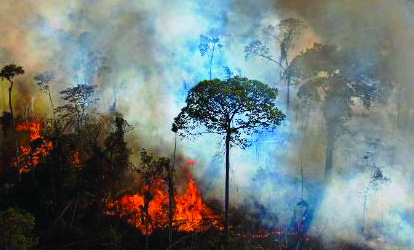
Nepal gives us a clear example. In the past there were many glaciers in the Himalayan ranges. Today the climate is warmer, there are fewer glaciers, and the ones that remain are seriously challenged. A glacier is a slow-moving mass or river of ice, formed from snow on mountains, so a warming world attacks it directly.
The earth's climate has been changing continuously, even long before humans existed. What worries scientists is the speed of the recent change. Over the past 150 years the earth's temperature has been rising much more quickly than they would expect. Some parts of the earth are warming faster than others, but on average, air temperatures near the earth's surface have gone up about 2 degrees Fahrenheit in the past 100 years. The past five years have been the warmest five years in centuries.
Why does one or two degrees matter? Because a small change in temperature has a big effect on the health of the earth's plants and animals. As the climate warms, the intensity and amount of rainfall during storms such as hurricanes are expected to increase. Water shortages will last longer, and heat waves will become more intense.
The greenhouse effect is the trapping of heat by certain gases in the earth's atmosphere. These gases block heat from going out and keep the earth warm, just as the glass of a greenhouse keeps plants warm.
Scientists agree that the earth has been getting warmer over the past 50 to 100 years because of human activities. Burning fuel in factories, cars and buses changes the natural greenhouse. The atmosphere then traps more heat than it used to, and the earth grows warmer.
This matters because the earth works like one big, connected system. Oceans, land, air, plants, animals and energy from the sun all affect one another, and their combined effects give us our global climate. Thinking about things as systems means looking for how every part relates to the others. NASA's earth observing satellites collect information about how our planet's atmosphere, water and land are changing. By studying this information, scientists can see how the earth's system works together, and how a small change in one place can add up to a bigger change in the global climate. That is why carbon dioxide produced in one country can help melt the snow on our Himalayas.
Weather and climate are not the same. Weather is what the sky is doing today. Climate is the average condition of a place over a long period of time. One cold day does not mean the climate has stopped warming.
Saying the New Words
These words from the reading are worth saying aloud until they feel natural. The symbols show you how each word sounds. Practise them with your teacher.
| Word | Pronunciation |
| intensity | /ɪnˈtensəti/ |
| global | /ˈgləʊbl/ |
| glacier | /ˈglæsiə(r)/ |
| temperature | /ˈtemprətʃə(r)/ |
| atmosphere | /ˈætməsfɪə(r)/ |
| hurricane | /ˈhʌrɪkən/ |
Temperature is said in three beats, TEM-pra-cha, not four. Do not say tem-pe-ra-ture the way it is spelt.
Grammar: Will Do and Will Have Done
The Future Simple tense (will or shall + base verb) says that an action will happen at some time in the future. Example: Prerana will come here tomorrow.
The Future Perfect tense (will have + past participle) says that an action will already be finished before a certain time in the future. Example: Prerana will have come here by 4 p.m. tomorrow.
Read these pairs slowly and feel the difference. The left sentence only says the action will happen. The right sentence draws a finish line in time and promises the action will be complete before it.
| Future Simple | Future Perfect |
| Prerana will come here tomorrow. | Prerana will have come here by 4 p.m. tomorrow. |
| We shall buy a house next year. | By next year, we will have moved to our new house. |
| Jonathan will complete his studies in 2025. | Jonathan will have got a job by 2026. |
| Fukipa will climb Mt. Everest next week. | By the end of next week, Fukipa will have climbed Mt. Everest. |
The words by 8 p.m., by next year, by the end of next week are the signal. When a sentence sets a deadline with by, the verb is usually future perfect: will have + past participle.
Try it on one clue. Take the clue complete homework. The future simple sentence is: I will complete my homework soon. The future perfect sentence is: I will have completed my homework by 8 p.m. Both talk about the future, but only the second one promises that the work is finished before a fixed time.
After will have, the verb must be the past participle. Write will have finished, will have gone, will have climbed. Never write will have finish or will have went.
Speaking: Talking About Plans
These short conversations show the future tenses doing real work. Act them out with a partner, then swap roles.
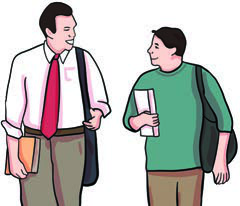
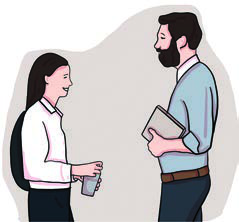
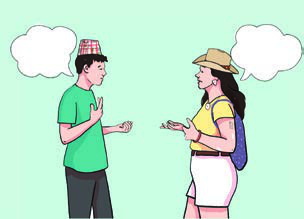
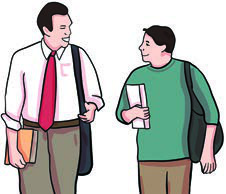
Now practise in pairs with time clues such as tonight, on Saturday, after your exams are over, after your school today, during your winter vacation, during the Dashain vacation and next week. One of you asks: What will you do tomorrow morning? The other answers: I will cook food. Then push the question into the future perfect: Will you have prepared food by 9 a.m.? Finally, go round the class, ask friends about their future plans, and write sentences like this one: My friend Lakpa Tamang will ride a horse tomorrow. He will have learnt Nepali typing on a computer by next month.
Listening: A Weather Forecast
Before listening, warm up with the weather words. Each picture below stands for one word: sunny, snowy, rainy and windy. Say the word for each picture aloud.
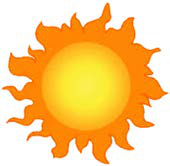
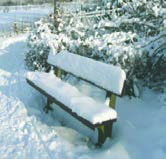
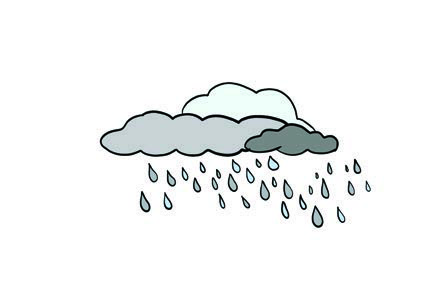
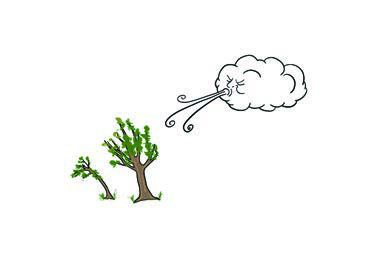
The audio is a weather forecast that moves around the compass: north, east, west and south. Your first job is to complete a table of directions and temperatures. Two clues are already given: one direction has a temperature of around 13 degrees, and another has 15 degrees. So listen for a direction word followed closely by a number.
- Listen for each direction word: north, east, west, south.
- Catch the number that comes with each direction. Those numbers fill the temperature column.
- Listen for how long the rain lasts in the north. Is it really the whole day?
- Listen for the word thunderstorms and note which direction it belongs to.
- Listen for wind words in the west. Is it described as quite windy?
- Listen for which direction gets the best weather.
After the table, you will hear the audio again and decide whether statements like these are true or false: it will rain for the whole day in the north; there may be thunderstorms in the east; the west will have quite windy weather; the best weather will be found in the south. When you finish, talk to your partner about the weather in your own locality right now, using the same weather words.
Reading: Gratefulness
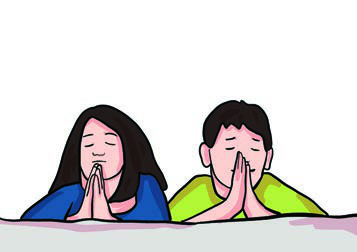
Being grateful means noticing the good things you already have and feeling thankful for them. In this poem by Joseph T. Renaldi, the speaker thanks life for one body part at a time, and for each one names the good work it lets her do. Notice how often the poet uses may and might. Even here, they are guessing words: the speaker hopes she might speak comfort, might know how to help, might do hard tasks.
I am grateful for the eyes that I can seethe activities that can be done by me.I am grateful for the ears that I may hearthe sobbing of those who need me near.I am grateful for the lips that I might speakwords of comfort and peace to all who seek.I am grateful for a mind that I might knowhow to aid those who need me so.I am grateful for the hands that I might dosome arduous or simple tasks for you.I am grateful for the ability to always prayto give me strength and guidance every day.I am grateful for one thing, all else abovethat I was given a heart, that I may love.
Each part of the body gets a job in the poem. The eyes see the activities the speaker does. The ears hear the sobbing of people nearby who need her. The lips speak words of comfort and peace. The mind knows how to aid the needy. The hands do arduous, which means very difficult, or simple tasks for others. Above everything else, the speaker is grateful for her heart, because the heart lets her love. That is the poem's message: the greatest gift is not any skill but the ability to love.
Grammar: May, Might and Must
May and might express possibility: a guess that something is possibly true or will possibly happen. Might is usually a slightly weaker guess than may. Example: We might meet one day.
Must expresses a strong, logical guess: the clues make us almost certain something is true. Example: You haven't eaten all day. You must be hungry.
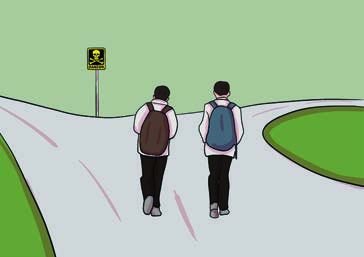
Look at how people use these words in daily life. Two students see a warning sign with a skull on it beside the road. One says: Don't go there. There must be danger. The sign is strong evidence, so must is the right word.
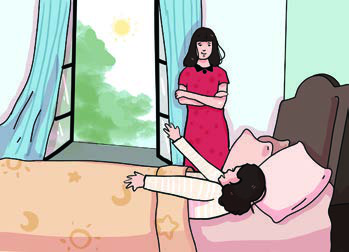
A mother wakes her sleeping son and says: Get up darling! You may be late for school. She is not certain he will be late. It is only a possibility, so may fits.
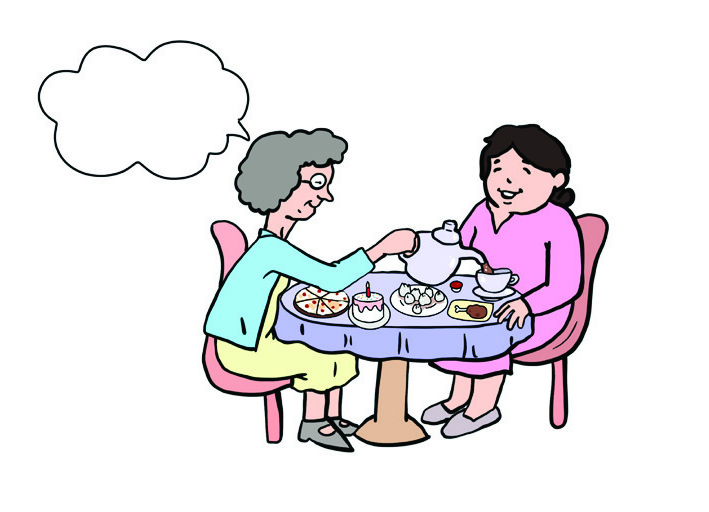
We can also make guesses about the past. For that, we use must have with the past participle. A guest sees a table covered with food and says: Look! You've prepared many things. You must have worked a lot. The work happened before now, so the guess uses must have worked.
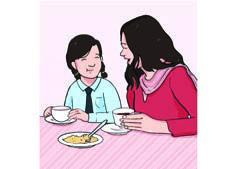
And when two friends who live far apart talk on the phone, one says: We might meet one day. Nobody knows when, or whether it will happen at all, so might carries the weak hope.
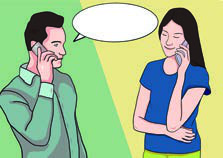
Now make guesses of your own. Take a situation like Romeo is at the riverside. Two good guesses are: He must be going to swim. He might catch some fish. Try the same with: She speaks Japanese. They have books in their hands. She bought a new car. It's raining. He works in a bank. Bhagawati studies very hard.
The Certainty Ladder
May, might, could, will, should, must and can't all make guesses, but they stand at different heights of certainty. Read each sentence and notice how sure the speaker is.
- She might come soon. (a weak guess, perhaps yes, perhaps no)
- She could be lost. (one possibility among others)
- She may be in the wrong room. (possible)
- She'll be at work now. (the speaker predicts confidently)
- They should be there by now. (expected, if everything went normally)
- It shouldn't take long to drive here. (expected not to happen)
- Prices can be high in Kathmandu. (generally possible, it happens)
- She must be in the office. It's already 10 a.m. and she usually goes to the office at 9 a.m. (almost certain it is true)
- He can't be in the park. He doesn't go to the park at this time. (almost certain it is NOT true)
Must and can't are two ends of the same ladder. Must means the clues say yes, almost certainly. Can't means the clues say no, almost certainly. Both are guesses backed by evidence, not facts.
Writing About the Future
Now put the grammar and the reading together. Study the four scenes below: an old car pouring out smoke, people dumping rubbish into the sea, factory chimneys darkening the sky, and a hillside where trees are being cut down. For each scene, answer three questions in your notes. What are the people doing? What may happen there in the future? What might the results be? Then grow the notes into a paragraph.
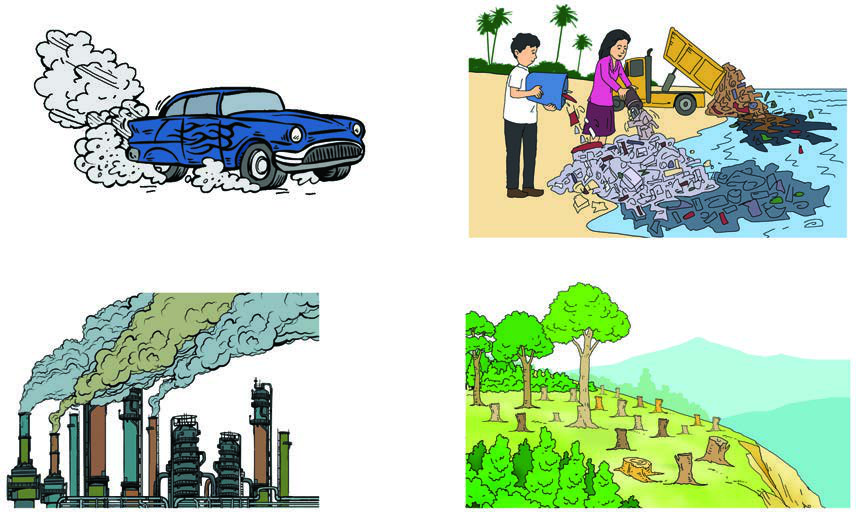
Here is a model paragraph for the smoking car. The car is very old and it is releasing thick black smoke into the air. If people keep driving vehicles like this, the air may become too dirty to breathe. The smoke might cause lung diseases, and the gases will trap more heat in the atmosphere. In the future, the town must control such vehicles, or its people will suffer. Write your own paragraph like this for each of the other three scenes.
For the final piece of writing, work in pairs and discuss what the earth will be like in 20 years' time. Think about rapid population growth, cutting down of trees, increased pollution, and reduction of fuel production. Then write a paragraph called The Future of the Earth. Use the tenses you have learnt. By 2046, the population will have grown much larger. Many forests may have disappeared. Fuel might run short. Sentences like these carry both your grammar and your ideas.
Project Work: Changes Around Us
Change is not only in books. Visit different places in your village or town and meet elderly people. Ask them about the changes they have seen in their lifetime, and whether each change brought good results or bad ones. Record what you learn in a table with three columns: Changes, Positive results, Negative results. An old farmer might tell you that the winters are warmer than before, that a road reached the village, or that a stream has dried up. Every answer is real evidence of the changing world you have been reading about.
The full lesson is waiting for you
The notes are free to read in full. A free account opens the rest of the practice, and tracks your progress and confidence score for every subject. Presentations and videos need approval from Learn Yeti.